
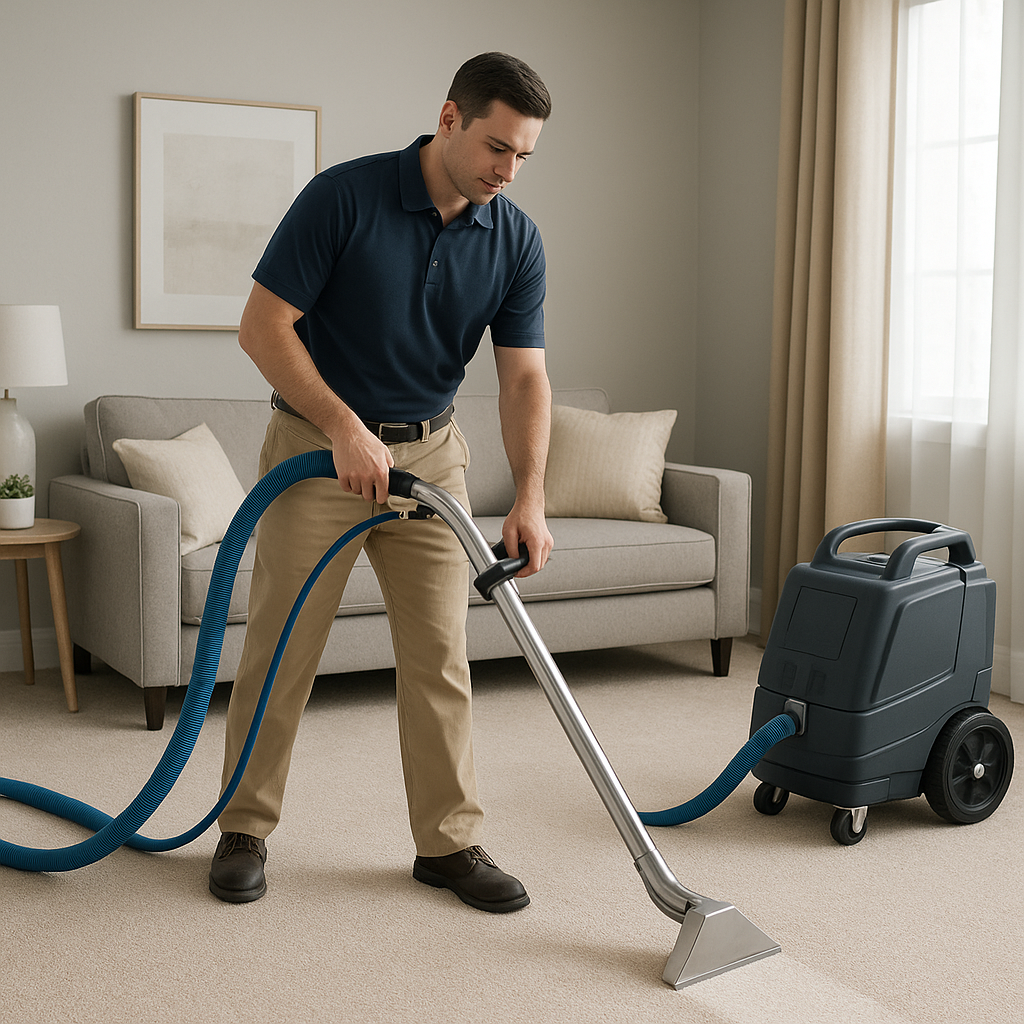


How to Choose a Carpet Cleaning Service in Salt Lake City
This guide, How to Choose a Carpet Cleaning Service in Salt Lake City, helps homeowners compare providers before booking. It covers cleaning methods, estimates, technician qualifications, drying plans, service limits, and situations that may require restoration instead.
Professional cleaning can refresh carpet periodically, but it does not replace regular vacuuming. A careful comparison also helps distinguish ordinary soil removal from work involving moisture, damaged backing, or persistent odors.
When Should You Hire a Carpet Cleaner?
Hire a professional when visible soil, recurring spots, heavy foot traffic, a move-out, or routine maintenance has exceeded what regular vacuuming can handle.
A cleaning may make sense before listing a rental, after tenants move out, or when high-use areas look dull despite consistent care. It can also address accumulated dirt that household equipment does not remove effectively. Ask what the quoted service includes and how the provider handles stains, odors, furniture, and drying time.
Set a different expectation for wet carpet or suspected contamination. Persistent dampness, an active leak, water damage, or suspected mold calls for prompt moisture correction. It may require restoration work rather than ordinary cleaning. Do not wait for a routine appointment if carpet remains wet.
Stain and odor results also depend on the carpet’s condition. Cleaning may improve discoloration or odor without removing it completely. Permanent fiber damage, dyes, pet contamination, or moisture beneath the carpet can limit the outcome.
How Does Professional Carpet Cleaning Work?
Professional carpet cleaning usually begins with an inspection. The technician then selects a method based on the carpet’s fibers, backing, condition, and soil level. Before work begins, the provider should explain the process, expected results, drying plan, and limitations.
A typical visit includes assessing fiber construction and wear, identifying spots or odor sources, and applying a pre-treatment suited to the soil. The technician may use agitation or targeted spot treatment when appropriate. Cleaning then involves extraction or another cleaning step, followed by a post-cleaning review.
Ask why the recommended method fits your carpet instead of assuming one approach is best. The answer should account for carpet construction, backing, soil level, and stated warranty requirements. Water quantity, ventilation, humidity, temperature, and furniture placement can affect both results and drying time.
According to the U.S. Environmental Protection Agency’s indoor air quality guidance, carpeting can collect dust and other indoor pollutants. That fact does not establish a specific health benefit from professional cleaning. However, it supports asking how a provider handles extraction, residue, and ventilation.
The Carpet and Rug Institute also operates a Seal of Approval program for qualifying cleaning products and service providers. Ask a company where you can independently verify any certification or training claim.
What Should You Ask Before Booking?
Ask for a written, job-specific estimate. Then confirm the inspection process, qualifications, insurance, equipment, and satisfaction terms. A low advertised price may not include the work your rooms require.
The estimate should state how many rooms or square feet it covers. It should also identify whether stairs, furniture movement, spot treatment, deodorizing, protectant, travel charges, and taxes or other fees are included. Ask what triggers an added charge and how you will approve a change before work begins.
Homeowners comparing local options can use Zerorez’s carpet cleaning salt lake city service page to review one provider’s available services and stated process.
During the inspection, ask the technician to identify pre-existing damage, delicate materials, and areas that may need specialized treatment. You should also receive practical information about access, furniture, ventilation, pets, occupants, and expected drying time.
Check relevant training, certifications, insurance coverage, equipment, and customer-service policies. Ask where you can verify those claims instead of relying only on advertising.
Read the satisfaction policy before scheduling. What qualifies for a follow-up visit? Are there exclusions for permanent discoloration, wear, damage, or conditions outside routine cleaning? How soon must you report a concern? Clear answers make providers easier to compare.
How Long Will the Carpet Take to Dry?
Professionally cleaned carpet may need several hours to dry, but no fixed promise applies to every job. Treat the provider’s estimate as job-specific, and ask what conditions could extend the timeline.
Carpet construction, soil level, cleaning method, water volume, ventilation, humidity, temperature, and furniture placement all affect drying. Dense carpet or heavily soiled areas may retain more moisture. Poor airflow and cool indoor temperatures can extend the process.
Before work begins, ask how the technician will support drying. The answer should address thorough extraction, added airflow when appropriate, and guidance about furniture placement and ventilation. Ask whether people or pets should stay off the carpet until it is dry.
Do not treat persistent dampness as a normal cleaning inconvenience. The EPA explains that unresolved moisture can support mold growth. Report carpet that remains wet, develops a musty odor, shows visible growth, or becomes damp again. Repeated routine cleaning will not correct a leak, flooding source, drainage issue, or humidity problem.
Which Service Is the Right Fit?
Routine residential cleaning suits ordinary tracked-in soil. Rental turnovers and office maintenance may require a broader written scope, furniture coordination, and scheduling around occupants. Isolated spots can often receive targeted treatment, while flooding, persistent dampness, visible growth, or recurring odors may require restoration or moisture specialists.
Compare at least two written scopes when providers use different methods or quote different prices. The lowest advertised rate may exclude heavily soiled areas, stairs, furniture movement, or follow-up treatment.
Before booking, confirm the arrival window, room access, furniture expectations, pet and occupant considerations, payment terms, and post-service instructions. Request a realistic drying estimate based on the carpet, cleaning method, ventilation, humidity, and furniture placement.
A suitable provider should offer:
- An appropriate scope for the property and carpet condition
- An inspect-first process
- Qualified technicians
- Transparent pricing
- A realistic drying plan
- Clearly stated guarantees, limits, and exclusions
For broader home-maintenance guidance, you can also review related articles on our publishing site.