
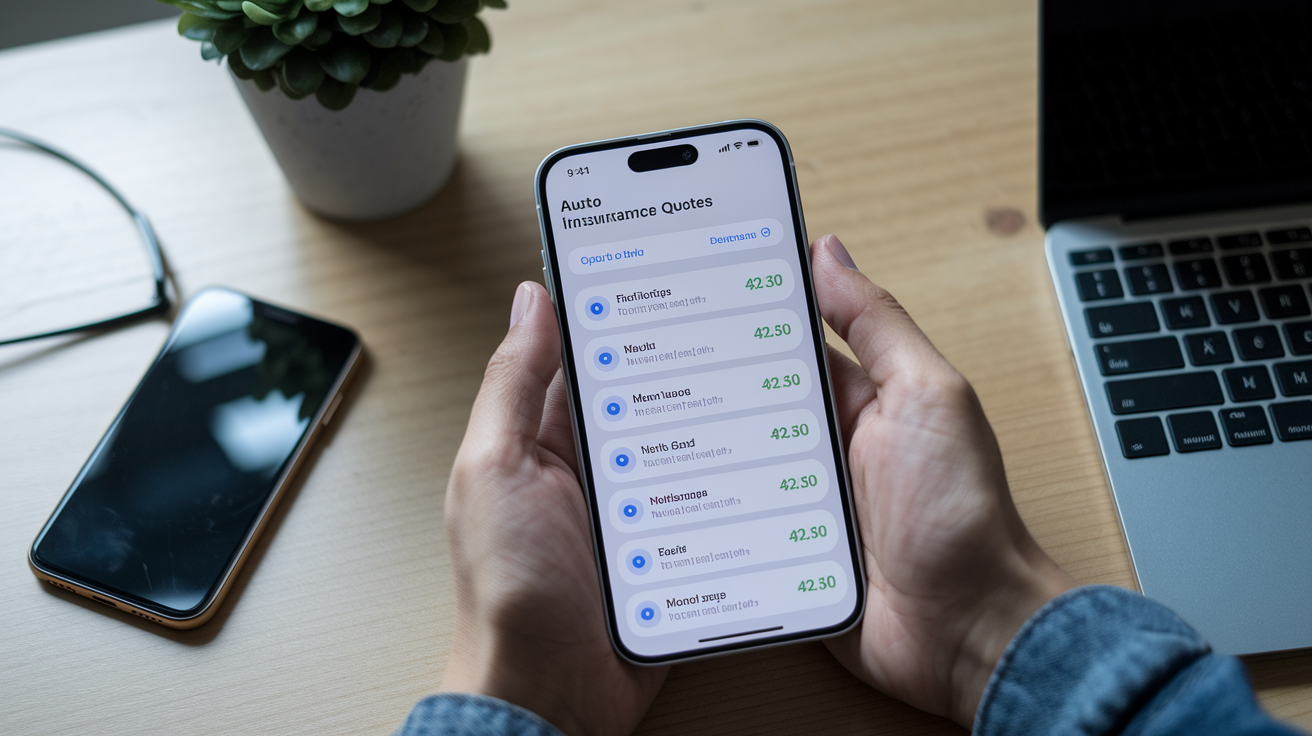


What if you could cut your car insurance bill by up to 40% in two minutes?
Comparison apps pull live quotes from many insurers, then lay them out side by side so you can spot the best rate without re-entering details.
You’re not the only one who finds this confusing.
Some apps skip local carriers, hide fees, or make switching harder than it needs to be.
This guide ranks top tools, explains must-have features, and gives a simple checklist to get a quote you can trust.
Best Auto Insurance Comparison Apps (Ranked)
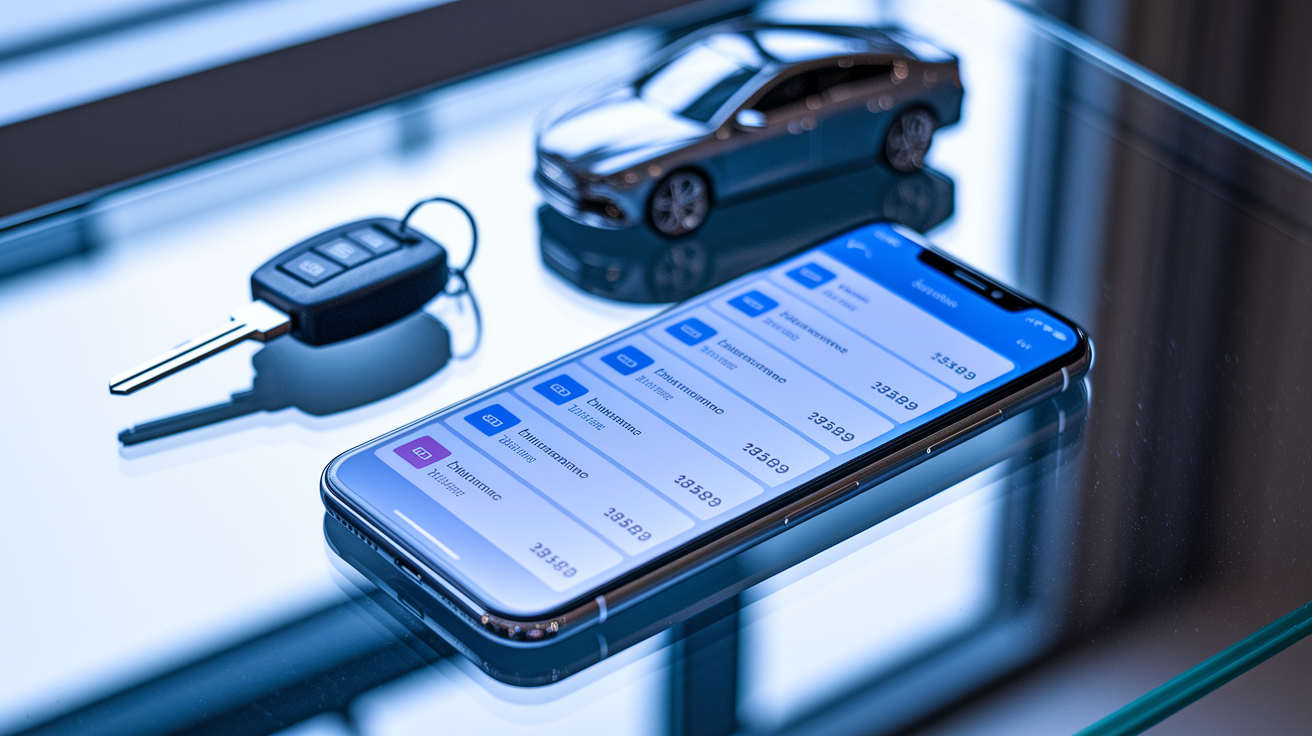
Instant quote comparisons mean you don’t have to re-enter your details on five different websites. The right comparison app pulls multiple real time quotes in under two minutes and lays out your options side by side so you can spot the best rate without the runaround.
- Insurify – Displays personalized quotes from more than 120 carriers in app, with real time pricing from a database covering 500+ insurance companies. Includes ChatGPT integration to automate coverage comparisons.
- Jerry – Compares up to 50 insurers in under two minutes. Offers PriceProtect monitoring, GarageGuard for theft recovery, and a DataLock Guarantee promising your data won’t be sold.
- Way – Searches up to 300 companies in 30 seconds, plus bundles extras like carwash discounts and EV charging maps alongside your insurance results.
- The Zebra – Aggregates quotes from dozens of carriers with transparent filtering by coverage level, deductible, and discount eligibility.
- Policygenius – Delivers side by side comparisons and connects you to licensed agents if you need help finalizing coverage details.
Average potential savings across 151,494 customers’ initial quotes suggest users who compare multiple providers can cut premiums by 30–40 percent. Apps automate the switching process, monitor renewal rates, and alert you when cheaper options appear, turning what used to take hours into a two minute task that keeps saving money year after year.
Key Features That Define a Quality Comparison App

Not every comparison tool delivers the same quality. A strong app combines accurate quote generation with practical support and secure data handling, so you’re confident in the results and safe throughout the process.
Look for these features when picking an app:
Real time quotes – Live pricing updates ensure you see current rates, not outdated estimates that disappear when you call.
Coverage customization – Instant price adjustments when you raise a deductible or add roadside assistance. That’s the amount you pay out of pocket before insurance kicks in.
Licensed agent access – Chat or phone support with someone who can walk you through policy differences and state requirements.
Secure data handling – Apps that promise not to sell your personal information and use bank level encryption for driver and vehicle details.
Automated monitoring – Background checks that alert you to lower rates six months after purchase, so you never miss renewal savings.
State Farm integrated Drive Safe & Save into its main app, eliminating the need for a separate telematics download. GEICO bundles Easy Photo Estimate and CARFAX Vehicle Care in one interface. The best apps consolidate features instead of making you juggle multiple logins or install add on tools.
Pros and Cons of Using Auto Insurance Comparison Apps

Understanding what comparison apps do well, and where they fall short, helps you decide when to trust the app and when to double check the fine print with a human agent.
| Pros | Cons |
|---|---|
| Quick access to multiple quotes (50+ insurers in under two minutes with Jerry) | Some regional or local carriers don’t participate in aggregator feeds |
| Transparent side by side pricing for identical coverage levels | Quote accuracy depends on the completeness and honesty of your input data |
| Automated policy monitoring alerts you to cheaper options at renewal | Telematics programs may increase your rate if driving habits worsen |
| In app purchase lets you bind coverage without website redirects | Complex claims or multi vehicle policies may still require phone or agent assistance |
Comparison apps excel at price discovery and straightforward policy setup. They struggle when you need custom endorsements, commercial use riders, or specialty coverage that isn’t standardized across insurers. Use the app to narrow your list, then confirm exclusions and limits before you buy.
Pricing Transparency and How Quotes Are Calculated

Apps pull quotes by feeding your driver profile into each insurer’s underwriting algorithm. Age, ZIP code, vehicle year/make/model, driving record, and credit tier all go in. The same data inputs produce wildly different premiums because every carrier weighs risk factors differently. One insurer penalizes a teenage driver more heavily. Another discounts hybrids or rewards bundling home and auto.
Test quotes using identical coverage settings: $50,000 bodily injury per person, $100,000 per accident, $50,000 property damage, $1,000 collision deductible, and $1,000 comprehensive deductible is a common baseline. Apps that let you adjust these sliders in real time show instant price changes, so you can see how raising your deductible from $500 to $1,000 cuts your monthly bill. Transparency breaks down when an app rounds estimates or skips required state minimums. Always verify the final quote against your state’s liability requirements and any lender mandated coverage if you’re financing the car.
Supported Insurance Providers and Coverage Options

The more insurers an app connects to, the better your odds of finding a low outlier price. Leading comparison apps search dozens of national and regional carriers in a single session.
- GEICO
- Progressive
- State Farm
- Allstate
- Nationwide
- Liberty Mutual
Beyond the big names, apps tap into regional specialists like Erie, Acuity, and Amica, plus digital first brands such as Root and Lemonade. Coverage categories available for comparison include liability (required in most states), collision (pays for your car’s damage in an accident), comprehensive (covers theft, weather, vandalism), uninsured/underinsured motorist protection, personal injury protection (PIP), and optional add ons like rental reimbursement, roadside assistance, and gap insurance for financed vehicles. Not every insurer offers every add on, so apps filter results to show which carriers bundle the extras you want without forcing you to call for a custom quote.
How to Use an Auto Insurance Comparison App Effectively

Gather documents before you start. Driver’s license number, vehicle identification number (VIN), current policy declaration page, and recent driving record summary. Ticket dates, accident reports.
Use identical coverage parameters across every quote. Same liability limits, same deductibles, same add ons. Changing one variable mid session breaks the apples to apples comparison.
Run quotes every 6–12 months. Rates shift based on claims data, ZIP code trends, and insurer pricing cycles. Annual shopping catches drops you’d miss by staying put.
Check telematics trade offs. Apps offering usage based discounts (Drive Safe & Save, Snapshot, RightTrack) require location tracking and driving behavior monitoring. Decide if the potential 10–30 percent savings outweigh privacy and data usage concerns.
Verify in app purchase capability. Some apps show quotes but redirect to the insurer’s website for final binding. True in app purchase (available in Insurify and Jerry) keeps the entire transaction inside one interface.
Review spam and data sharing policies. Use a disposable email when testing apps. Count solicitation emails in the week after quoting to gauge how aggressively the app shares your contact information.
Consistent data input is crucial because a single typo can shift your quote by hundreds of dollars. Wrong birthdate, incorrect annual mileage, missing a three year old speeding ticket. Apps pull real time underwriting results. They don’t estimate or round. Enter clean data once and you’ll see accurate spreads that hold up when you buy.
Screenshots and Interface Expectations (General Overview)
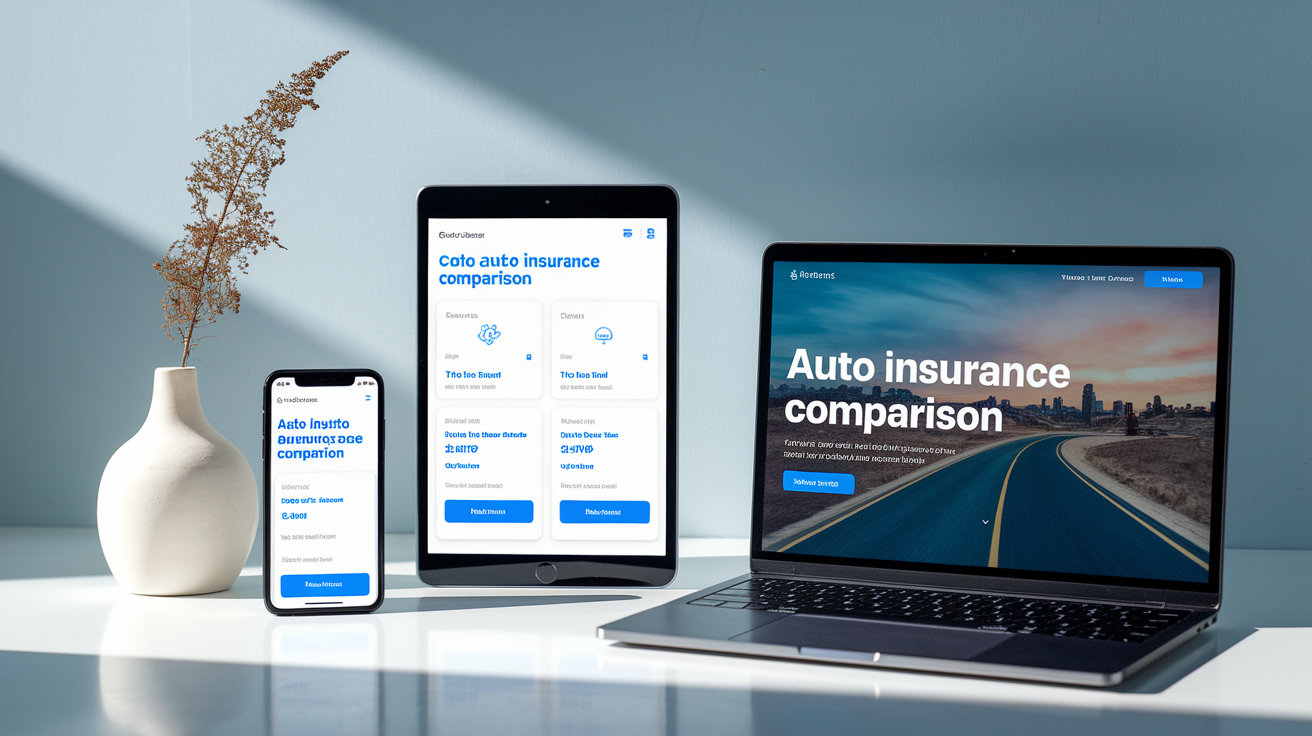
Most comparison apps organize results in a vertical list, with each insurer’s monthly premium displayed next to coverage icons (collision, comprehensive, liability) and discount badges (multi car, good driver, paperless). Tap any row to expand coverage details, view deductibles, and see sub limits for rental car reimbursement or roadside assistance.
Telematics dashboards show trip summaries, hard braking counts, phone use detections, and time of day charts if you’ve enrolled in a usage based program. Photo estimate flows guide you through capturing damage angles for claims. Digital ID card screens let you screenshot proof of insurance or send it directly to a repair shop. Purchase checkout mimics online retail: select coverage, confirm driver list, enter payment method, and receive a binder email within minutes. The cleaner apps (GEICO, State Farm, Insurify) keep every step inside one interface. Older or clunkier apps bounce you to mobile web views or require separate telematics downloads that fragment the experience.
Final Words
Open an app, enter your vehicle and driver info, and you’ll see real-time quotes from top comparison tools like The Zebra, Jerry, Gabi, and Policygenius. We ranked the best apps, explained must-have features, covered pros and cons, and showed how quotes are calculated and which insurers and coverages to expect.
Use the checklist: match coverage levels, compare deductibles, confirm provider participation, and watch for automated switching. Consistent inputs help quote accuracy and can uncover savings of 30–40%.
Try an auto insurance comparison app to save time and find better value, and you’ll feel more confident picking the right policy.
FAQ
Q: Is there an app to compare car insurance prices?
A: An app to compare car insurance prices exists and shows instant quotes from multiple insurers; try The Zebra, Jerry, Gabi, or Policygenius to view live rates and streamline switching.
Q: What is the best auto insurance comparison site or price comparison website for car insurance?
A: The best auto insurance comparison sites include The Zebra, Jerry, Gabi, and Policygenius — they offer real-time quotes, licensed agent support, secure data, and tools to compare identical coverage and potential savings.
Q: Who typically has the cheapest car insurance?
A: People who typically have the cheapest car insurance are low-mileage, experienced drivers with clean records, good credit, basic older cars, bundled policies, and those living in low-risk ZIP codes.