



Think travel insurance will replace your health insurance when you go abroad?
It won’t.
Travel policies cover short-term trip problems like emergency medical stabilization (getting you stable enough to travel home), evacuations, trip cancellations, and lost luggage.
Health insurance covers ongoing care—regular checkups, prescriptions, chronic condition management, and hospital stays where you live, and most domestic plans won’t follow you overseas.
If you’re on a two-week holiday, travel cover usually works; if you’re moving or staying months, you’ll likely need an international health plan.
Core Distinctions in How Travel and Health Insurance Provide Coverage

Travel insurance is built for short trips. It covers emergency medical stabilization and non-medical headaches like trip cancellations or lost bags. The second you’re back home, coverage stops. Health insurance works differently. It’s there for the long haul: regular checkups, hospital stays, prescriptions, managing chronic conditions. But here’s the catch. Most domestic health plans don’t follow you when you leave your home country.
The real difference comes down to purpose. Travel insurance assumes you’re abroad temporarily and that any serious medical situation gets resolved by stabilizing you enough to fly home for continued care. Health insurance assumes you need routine access to doctors, hospitals, specialists wherever you actually live. That could be your home country or abroad if you’ve got an international health plan.
Use travel insurance for holidays, business trips, short visits. Use health insurance (domestic or international) when you need continuous medical protection where you actually reside.
Understanding How Travel Insurance Works for Short-Term Trips

Travel insurance covers risks that pop up during a specific trip or within a set annual period if you travel often. It’s not ongoing healthcare. The policy only works while you’re away from your country of residence, and most plans expect you to return home for any treatment that goes beyond immediate stabilization.
Single trip policies cover one journey, departure to return. Annual multi trip policies cover multiple trips within a year, but each trip still has a cap. Often 30, 60, or 90 days per journey. Neither type is meant to support long term residence abroad or replace comprehensive health coverage.
Standard travel insurance benefits usually include:
Emergency medical treatment: covers urgent care needed because of sudden illness or injury while abroad, up to a policy limit.
Emergency evacuation and repatriation: pays to transport you to a suitable medical facility or back home if medically necessary.
Trip cancellation and interruption: reimburses non-refundable travel costs if your trip gets cancelled or cut short for a covered reason. Illness, death in family, natural disaster.
Baggage loss, theft, and delay: compensates for lost, stolen, or delayed luggage and personal belongings.
Travel delays and missed connections: covers additional accommodation or transport costs because of unexpected delays.
Personal liability: provides limited cover if you’re held legally responsible for injury to another person or damage to property while traveling.
How Health Insurance Applies When Outside Your Home Country

Most domestic health insurance plans give you limited or no coverage when you travel internationally. Some might reimburse emergency medical expenses incurred abroad, but routine care, follow up appointments, elective procedures are generally excluded. If your domestic plan does offer overseas emergency coverage, it’s usually capped at a low amount and requires you to pay upfront and claim reimbursement later.
International health insurance is a separate product. It’s designed for people who live, work, or spend extended time outside their home country. These plans offer comprehensive inpatient and outpatient care, coverage for routine checkups, maternity, dental, chronic condition management depending on the plan structure. Unlike travel insurance, international health plans are annual contracts that renew and adjust based on your ongoing needs and residency status.
Geographic coverage is a major pricing factor. Plans might offer “Worldwide excluding USA” or full “Worldwide” coverage, with the latter carrying way higher premiums because of the cost of U.S. healthcare. You typically have a choice of providers and can receive care in any facility within your selected region. That gives you flexibility domestic plans rarely match when you’re living abroad.
Side-by-Side Comparison of Travel vs Health Insurance Benefits

The clearest way to see what each policy does (and doesn’t do) is to compare them line by line across the medical and non-medical protections travelers rely on.
| Coverage Type | Travel Insurance | Health Insurance |
|---|---|---|
| Emergency medical treatment abroad | Yes, short-term stabilization and evacuation home | Domestic plans rarely cover; international plans yes |
| Routine care (check-ups, prescriptions) | No | Yes (domestic at home; international abroad) |
| Chronic and pre-existing conditions | Usually excluded or very limited | Covered by international plans after waiting periods; domestic plans cover at home |
| Maternity, dental, optical | No | Optional add-ons in international plans; standard in many domestic plans |
| Follow-up and ongoing specialist care | No—expects you to return home for care | Yes |
| Emergency evacuation and repatriation | Yes | Rarely included unless international plan with evacuation rider |
| Trip cancellation, delays, lost luggage | Yes | No |
| Duration and renewal | Single trip or annual multi-trip with per-trip limits | Continuous annual coverage, renewable |
If you’re taking a two week holiday, travel insurance handles everything you’re likely to need. If you’re relocating for work or spending six months abroad, international health insurance covers your day to day medical needs. But it won’t reimburse your cancelled flight or stolen suitcase. You’d still need travel insurance for those risks.
Geographic and Duration Limits That Impact Travel Insurance vs Health Insurance Reliability

Travel insurance is built around the idea that your trip has a clear start and end date. Coverage begins when you leave your country of residence and stops when you return, or when the policy period expires. Whichever comes first. Most single trip policies cap coverage at 180 days, and annual multi trip plans limit each individual journey to 30, 60, or 90 consecutive days depending on the product you buy.
International health insurance operates differently. It covers you continuously in the countries or regions you select at purchase, and there’s no automatic termination when you cross a border or return home for a short visit. You choose a coverage area (such as “Worldwide excluding USA” or “Asia-Pacific”) and that choice directly affects your premium. Adding the United States to your coverage area can double or triple the cost because of how expensive U.S. healthcare is.
Duration guidelines help clarify which product fits your situation:
Less than 3 months: use travel insurance for short holidays, business trips, or brief assignments.
3 to 9 months: consider short term international health insurance if you’ll be living or working abroad, or layer travel insurance on top of your domestic health plan if it offers minimal overseas emergency coverage.
More than 9 months or permanent relocation: buy international health insurance to cover routine and emergency care where you live. Add travel insurance only if you need trip specific protections like cancellation or baggage cover for short visits elsewhere.
Frequent short trips throughout the year: an annual multi trip travel policy is more cost effective than buying single trip cover repeatedly, but it still won’t replace health insurance for ongoing care.
Pre-Existing Conditions and Medical Limitations When Comparing Travel vs Health Insurance
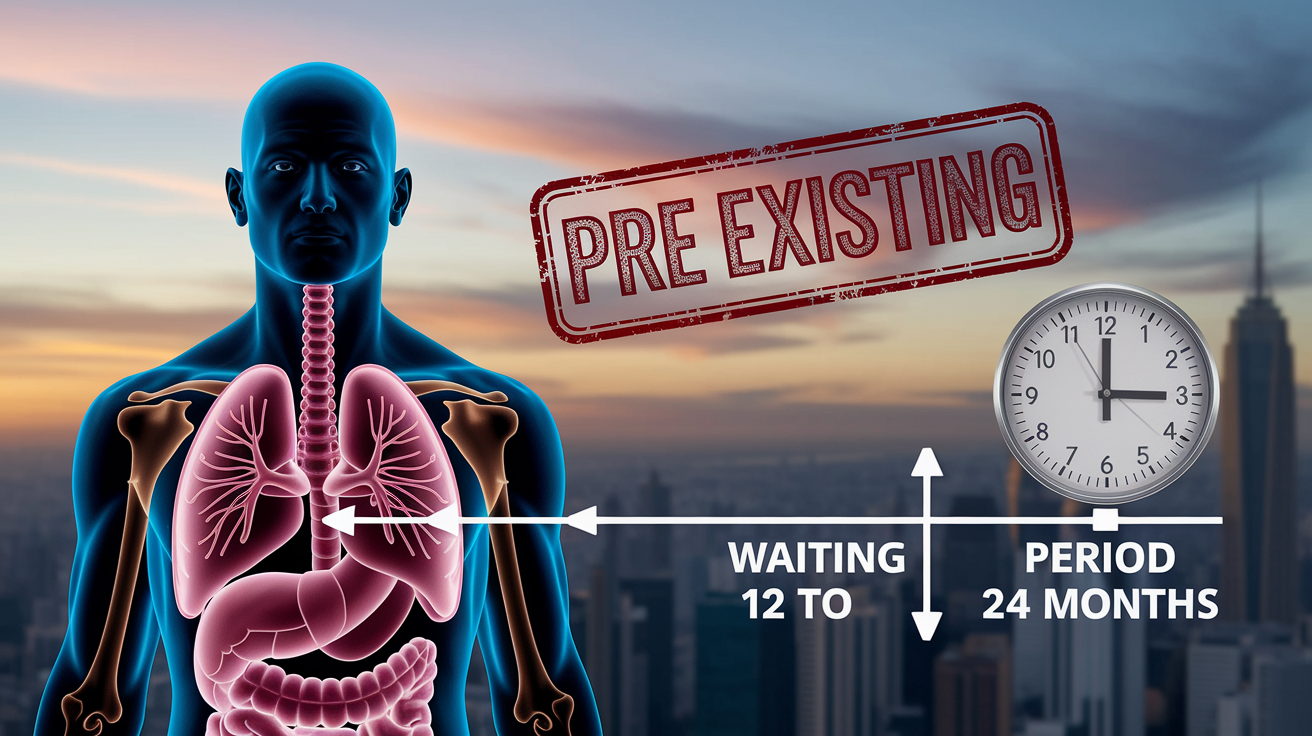
Travel insurance policies typically exclude treatment related to pre-existing medical conditions. A pre-existing condition is any illness, injury, or chronic health issue you were aware of or received treatment for before buying the policy. Some insurers allow limited emergency cover if your condition has been stable for a defined period (often 60 or 90 days) but ongoing management, specialist visits, and prescription refills are rarely included.
International health insurance handles pre-existing conditions differently. Many plans offer coverage for chronic and pre-existing conditions, but you’ll face medical underwriting during the application process. The insurer may apply a waiting period (commonly 12 to 24 months) before covering treatment related to those conditions, or they may apply a moratorium clause that excludes any condition you received treatment for in the two years before joining. Some insurers let you buy full pre-existing condition coverage from day one, but premiums will be significantly higher.
Elective treatments (procedures that aren’t medically necessary or urgent) are almost always excluded from travel insurance. Health insurance, whether domestic or international, may cover elective procedures if they’re part of a treatment plan for a diagnosed condition. But purely cosmetic or non-urgent interventions are excluded unless you purchase a specific rider or add on. The difference matters most when you have a chronic condition that requires regular monitoring or medication adjustments. Travel insurance won’t support that, but an international health plan can.
Cost Breakdown: Pricing Differences in Travel Insurance vs Health Insurance
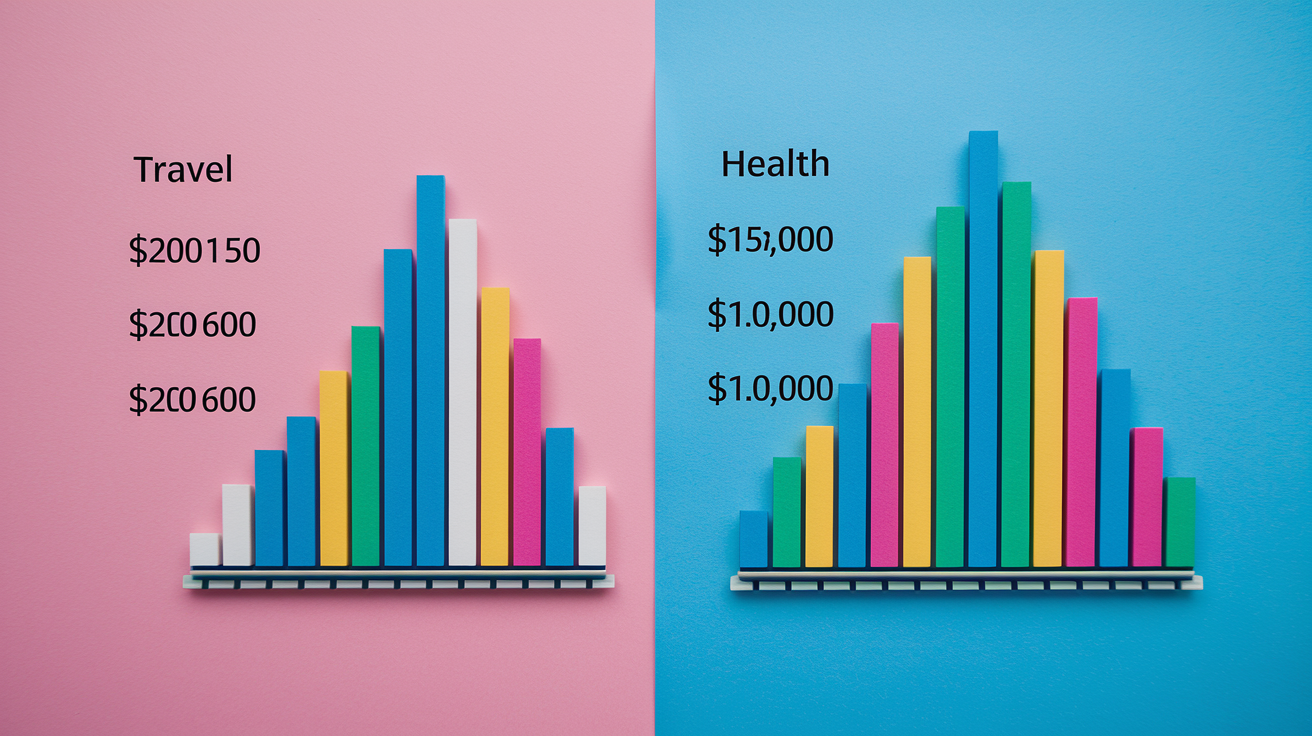
Travel insurance is priced per trip or as an annual premium covering multiple short trips. A single trip policy for a one week holiday might cost anywhere from $30 to $150 depending on your age, destination, and coverage limits. Annual multi trip policies typically range from $200 to $600 per year and are designed for people who travel frequently but still reside primarily in their home country.
International health insurance premiums are much higher because the coverage is comprehensive and continuous. Annual premiums can range from $1,500 to over $10,000 depending on your age, medical history, coverage area, deductible level, and whether you include add ons like maternity or dental care. Billing is usually monthly, quarterly, or annually, and most insurers let you adjust your deductible (the amount you pay out of pocket before the insurer starts paying) to lower your premium.
Factors that raise premiums for both types of insurance include:
Age: older travelers and residents pay more because of increased health risk.
Destination or coverage area: the United States, parts of Western Europe, and certain high cost regions increase premiums significantly.
Pre-existing or chronic conditions: disclosure and coverage of these conditions raise costs in international health plans and often result in exclusions in travel insurance.
Lower deductibles or excess amounts: choosing to pay less out of pocket per claim increases your premium.
Add ons and optional benefits: sports coverage, adventure activities, maternity, dental, and mental health add ons all increase the total cost.
When Travelers Need Both Travel Insurance and Health Insurance

You may need both policies if you live abroad long term but still take short trips that carry non-medical risks like flight cancellations or lost luggage. International health insurance covers your day to day medical needs where you reside, but it won’t reimburse you if your flight home gets cancelled or your checked bags go missing.
Another common scenario is the expat who returns home frequently. Your international health plan handles medical care in your host country and possibly in your home country depending on the policy. But if you want protection against trip interruptions, delays, or baggage issues during those visits, you’ll need a separate travel insurance policy.
Travelers with chronic conditions sometimes layer both types of coverage. If your international health plan has a waiting period for pre-existing condition coverage, a short term travel policy might offer limited emergency medication coverage during trips in that waiting period. Though this is rare and you should confirm it explicitly with the insurer.
Business travelers who spend several months per year abroad but don’t relocate may also benefit from dual coverage. An international health plan gives access to quality care during extended assignments, while travel insurance covers trip specific risks like meeting cancellations, baggage theft, or sudden illness that forces you to cut a trip short.
Real-World Scenarios Showing Travel Insurance vs Health Insurance Gaps

A traveler gets hospitalized in Thailand with a severe infection. Travel insurance pays for emergency treatment and stabilization, then arranges evacuation back to the traveler’s home country for continued care. Once home, the travel policy stops paying and the traveler’s domestic health insurance takes over. If the traveler had stayed in Thailand for ongoing treatment instead of returning home, the travel insurance would likely refuse to pay for anything beyond the initial emergency stabilization. The policy is designed to return you home, not fund long term care abroad.
An expat living in Spain develops a chronic condition that requires specialist visits every month. Their international health insurance covers consultations, prescriptions, and any necessary procedures. A travel insurance policy wouldn’t cover this because the person is a resident, not a short term visitor, and the condition is ongoing rather than a sudden emergency. If that same expat flies to London for a weekend and their flight gets cancelled, their health insurance won’t reimburse the hotel and rebooking costs. Only travel insurance would.
A family on a two week holiday in Portugal has their checked luggage lost by the airline. Their travel insurance reimburses them for essential clothing and toiletries and compensates them for the permanently lost items up to the policy limit. Their domestic health insurance has no role here because there’s no medical claim. If one family member had fallen ill during the trip and needed a doctor, the travel insurance would cover that emergency visit. But follow up care or prescription refills once they returned home would fall to their regular health plan.
A consultant accepts a six month contract in Germany. They buy travel insurance assuming it’ll cover them. Three months in, they need an MRI and follow up physiotherapy for a back injury. The travel insurer refuses the claim, stating the policy is designed for short trips and emergencies, not medium term residence or non-emergency diagnostic procedures. The consultant should have purchased short term international health insurance instead, which would’ve covered routine diagnostic imaging and ongoing physiotherapy without question.
Quick Decision Guide for Choosing Between Travel and Health Insurance

Start by asking how long you’ll be away and what kind of coverage you actually need beyond emergency medical care.
Short holiday or business trip (under 3 months): buy single trip travel insurance that includes emergency medical, evacuation, trip cancellation, and baggage cover.
Multiple short trips per year: choose an annual multi trip travel insurance policy to avoid buying single trip cover repeatedly. Confirm the per trip duration limit fits your travel patterns.
Long term stay or relocation (more than 9 months, or permanent move): purchase international health insurance for comprehensive inpatient, outpatient, and routine care. Add travel insurance only if you need trip specific protections during short visits elsewhere.
Medium term assignment (3 to 9 months): buy short term international health insurance rather than relying on travel insurance, which isn’t built for ongoing care during extended stays.
Expat or long term resident who travels frequently: maintain your international health plan for medical coverage where you live, and layer on travel insurance for each trip to cover cancellation, delays, and baggage risks that health insurance doesn’t address.
Always read the policy wording and summary of benefits before you buy. Check the coverage limits, exclusions, waiting periods, and whether the plan covers the specific countries you’ll visit or reside in. Confirm whether pre-existing conditions are covered and under what terms, and verify that any activities you plan (such as skiing, scuba diving, or trekking) are included or available as add ons.
Final Words
Decide by timeframe and needs: travel insurance covers short-term emergencies and trip losses, while health insurance handles ongoing care, chronic treatment, and routine visits.
Check geographic limits, pre-existing condition rules, and premiums—those details usually decide which policy fits. Use travel plans for cancellations, evacuation, and lost baggage; rely on health plans for maternity, chronic care, and long-term follow-up.
When trips stretch or health needs continue, you may need both. This quick guide on travel insurance vs health insurance should make that choice clearer and less stressful.
FAQ
Q: Is travel insurance the same as travel health insurance?
A: Travel insurance and travel health insurance are not the same. Travel insurance covers trip losses and short-term emergencies; travel health (or travel medical) focuses specifically on emergency medical care while abroad.
Q: Can I get travel insurance if I have gallstones?
A: You can get travel insurance if you have gallstones, but treatment for gallstones is often excluded as a pre-existing condition unless you buy a policy with a pre-existing condition waiver or full medical screening.
Q: Which health insurance covers Zepbound?
A: Coverage for Zepbound depends on the health plan. Some commercial plans cover it with prior authorization for approved diagnoses; others exclude weight-loss drugs. Check your plan’s formulary and ask your prescriber to request authorization.
Q: Does health insurance cover stroke?
A: Health insurance typically covers stroke care—emergency transport, hospital care, surgery, and rehab—but benefits, in-network rules, copays, and long-term care limits vary, so confirm specifics and prior authorization with your insurer.