



What if a fire or burst pipe makes your home unlivable and leaves you paying hotel, extra meals, and storage fees?
Loss of use coverage, often listed as Coverage D, reimburses the extra living costs you incur while repairs make your house inhabitable.
This post explains what that coverage pays, from temporary lodging and meals above your normal budget to storage, pet boarding, and lost rent, plus the limits and exclusions that commonly cause surprises.
You’ll learn how payments are calculated and what to check on your policy so a disaster doesn’t become a big surprise bill.
Core Explanation of Loss of Use Coverage Benefits

Loss of use coverage reimburses the additional living expenses you rack up when a covered peril makes your home temporarily uninhabitable. It’s called Coverage D on most homeowners policies, and it kicks in after events like fire, windstorm, vandalism, or sudden plumbing failures that force you out of your residence. The insurer pays the difference between what you normally spend on housing, meals, and daily living and what you must spend while displaced. Before the kitchen fire, we spent $600 a month on groceries. Living in a hotel and eating out for six weeks cost us $2,200. The insurer reimbursed the $1,600 difference.
Standard homeowners policies include three loss of use components. Additional Living Expenses (ALE) cover your temporary lodging, food, and related costs. Fair Rental Value reimburses landlords for lost rental income when a tenant must evacuate. Civil Authority provisions pay expenses when government orders prohibit access to your home because nearby property suffered covered damage. These components work together to keep you financially stable during displacement, covering not just rent or hotel bills but the full spectrum of increased daily costs.
Most policies set loss of use limits as a percentage of your dwelling coverage, commonly ranging from 10 to 30 percent. If your home is insured for $300,000 and your policy allocates 20 percent to loss of use, you’ve got $60,000 available for temporary living expenses. Time limits often cap coverage between 30 days and 18 months, though some policies remain open ended until repairs finish or the dollar limit runs out.
Common covered expenses include:
Hotel rooms or temporary apartment rentals for the duration of repairs. Restaurant meals and grocery bills that exceed your normal food budget. Storage unit fees for furniture and belongings during reconstruction. Pet boarding when temporary housing doesn’t allow animals. Laundry and dry cleaning costs if your temporary lodging lacks facilities. Increased transportation expenses such as longer commutes or parking fees. Short term utility hookups or higher utility costs at a temporary residence.
Components of Loss of Use Coverage Explained

Additional Living Expenses
Additional living expenses cover the increased costs of maintaining your standard of living while you can’t occupy your home. This includes temporary housing such as hotels or short term rentals, the difference between your usual grocery bill and eating out every day, commuting costs when the temporary residence is farther from work, and incidental expenses like laundry service or extra childcare during displacement. Insurers calculate ALE by comparing what you normally spend to what you must spend during the displacement period.
Some policies reimburse actual documented expenses. Others use a per diem rate that pays a fixed daily amount regardless of receipts. Both methods require that the displacement result from a covered peril and that expenses remain reasonable. If you choose a luxury hotel when a mid range option is available, the insurer may reimburse only the reasonable portion unless you secure pre approval.
Fair Rental Value
Fair rental value protects landlords who lose rental income when a covered peril forces tenants to vacate. If you rent out a basement apartment and a pipe burst floods the unit, fair rental value reimburses the monthly rent you can’t collect while the space is uninhabitable. The coverage typically mirrors ALE limits and duration, often capped at 20 percent of dwelling coverage or a defined time window.
Fair rental value covers only the landlord’s lost income, not the tenant’s personal property or their temporary living expenses. Tenants need renters insurance to cover their own displacement costs and belongings.
Civil Authority Coverage
Civil authority provisions pay loss of use expenses when a government order blocks access to your home because a nearby property was damaged by a covered peril. For example, if a neighbor’s house catches fire and the fire department evacuates your block for three days, your civil authority coverage can reimburse hotel costs even though your own home suffered no damage. The trigger must be a covered event affecting another property, and the access prohibition must be issued by a legitimate government authority or emergency agency.
This component usually carries shorter time limits than standard ALE, often capping reimbursement at two weeks. Check your policy declarations for the exact duration and dollar limits applicable to civil authority displacement.
Covered vs Non-Covered Loss of Use Expenses
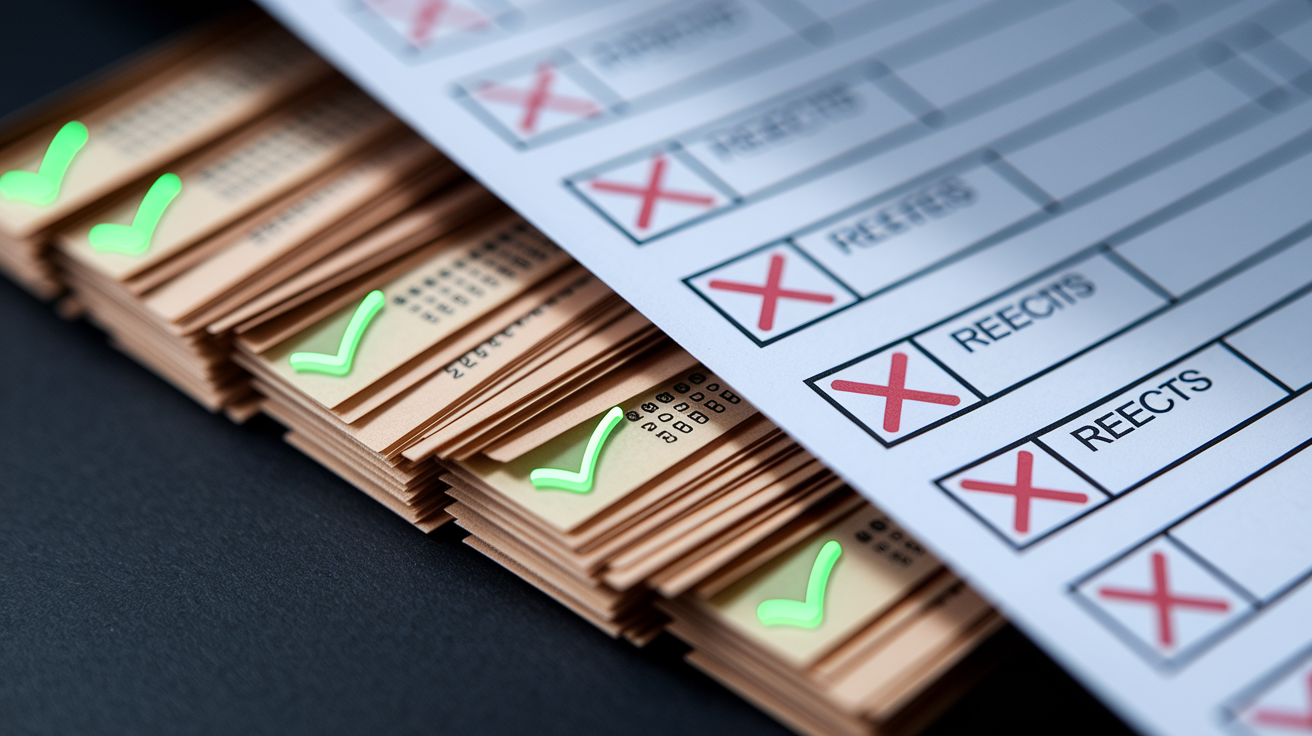
Loss of use coverage applies only to expenses triggered by perils your homeowners policy explicitly covers. Understanding what qualifies and what doesn’t prevents surprise denials during claims.
Covered expense categories:
Temporary housing costs (hotel, short term rental, extended stay lodging) while repairs proceed. Meal and food expenses that exceed your normal grocery and dining budget. Moving and storage fees for furniture, clothing, and household items during reconstruction. Pet boarding at kennels or veterinary facilities when temporary housing prohibits animals. Laundry, dry cleaning, and housekeeping services if your temporary lodging lacks facilities. Increased commuting costs, parking fees, and public transit expenses from a farther temporary residence.
Typical exclusions:
Flood and earthquake damage unless you carry separate flood or earthquake endorsements. Wear and tear, gradual deterioration, mold from long term moisture, or maintenance neglect. Damage caused by intentional acts, criminal activity, or undisclosed home business operations. Cosmetic damage that doesn’t render the home uninhabitable or unsafe. Mortgage payments, property taxes, homeowners association dues, and other ongoing fixed costs you pay regardless of occupancy. Voluntary upgrades or higher cost accommodations chosen without insurer pre approval.
How Loss of Use Payments Are Calculated

Insurers use three primary methods to calculate and pay loss of use reimbursements. Actual expense reimbursement requires you to submit itemized receipts for every hotel night, meal, storage fee, and parking charge. The insurer then verifies the expenses and issues payment for amounts that exceed your normal living costs. This method offers precise reimbursement but demands meticulous record keeping and can delay payment until all receipts are reviewed.
Per diem payments provide a flat daily rate regardless of actual spending. If your insurer approves a $100 per day per diem and you’re displaced for 60 days, you receive $6,000 without submitting individual receipts. This method simplifies paperwork and accelerates payment but may fall short if your true costs run higher, or it may overpay if you find budget accommodations.
| Method | Description | Typical Use Case |
|---|---|---|
| Actual Expense | Insurer reimburses documented extra costs after receipt submission; baseline normal expenses deducted | Preferred when displacement is long term or costs vary; allows recovery of all reasonable expenses |
| Per Diem | Fixed daily rate paid without receipts; amount set at claim opening or per policy schedule | Common for short term displacements or when receipt keeping is impractical; faster payment |
| Hybrid | Combination of initial per diem for urgent needs followed by actual expense reimbursement for extended periods | Used when insurers want to issue immediate funds then reconcile final costs later |
Duration, Limits, and Policy Structures for Loss of Use

Loss of use coverage continues until your home is repaired, rebuilt, or you reach the policy’s dollar or time limit, whichever comes first. Many homeowners policies cap the duration at 12 to 24 months, though some remain open ended as long as reconstruction actively progresses and you stay within the dollar cap. Check your declarations page for explicit time restrictions, which may appear as “additional living expenses payable for a maximum of 365 days” or similar language.
Dollar limits typically derive from a percentage of your dwelling coverage. A $400,000 home insured with 20 percent allocated to loss of use provides $80,000 for temporary living expenses. Condo policies often base loss of use limits on personal property coverage rather than dwelling coverage, since the condo association’s master policy insures the building structure. If your personal property limit is $50,000 and loss of use is set at 30 percent, you have $15,000 available for displacement costs.
Policy structures vary widely across insurers. Some carriers offer flexible limits you can increase by endorsement, adding extra months or raising the percentage of dwelling coverage allocated to ALE. Others impose fixed caps that require purchasing a separate umbrella or specialty endorsement for extended displacement. Review your policy annually and after major life changes to confirm your loss of use limits align with realistic temporary housing costs in your area, especially in high rent metros where $3,000 plus monthly rentals can exhaust a modest limit within months.
Qualifying Events That Trigger Loss of Use Coverage
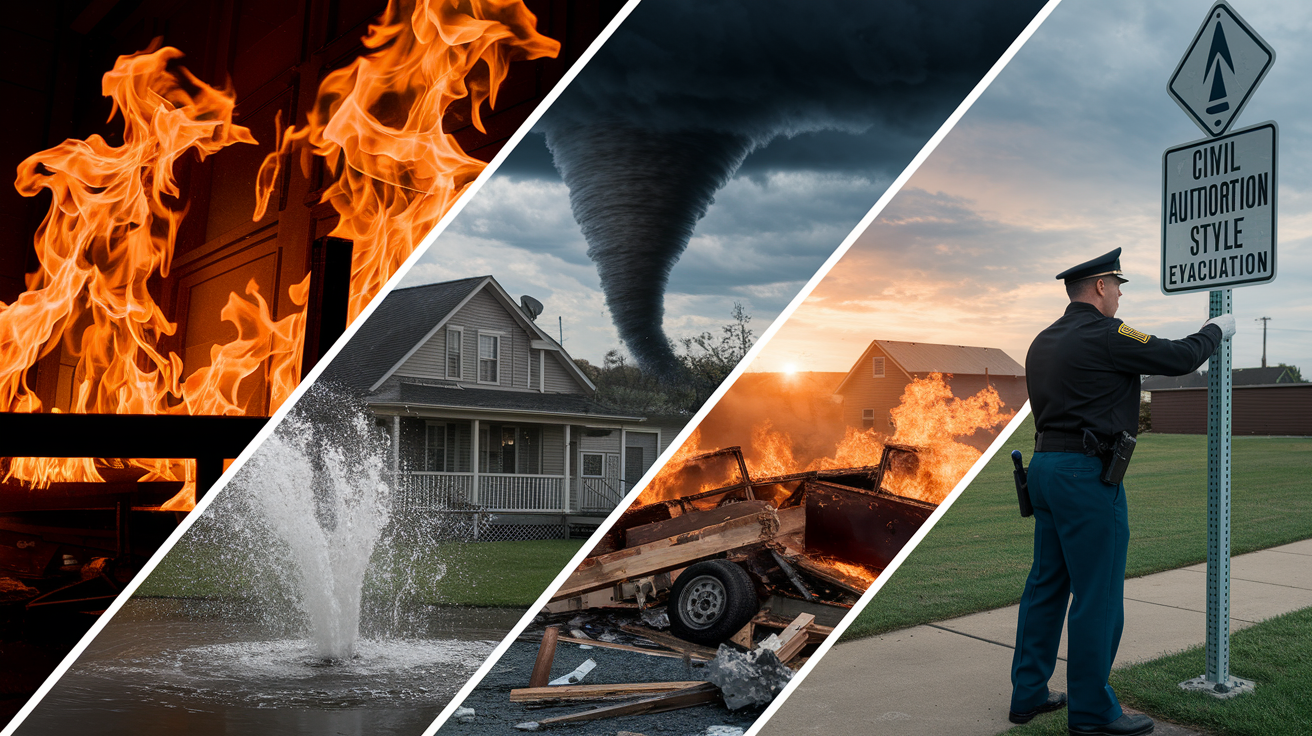
Loss of use coverage activates only when a covered peril renders your home uninhabitable or inaccessible. Fire is the most common trigger, often forcing immediate evacuation and extended repairs that can span months. Lightning strikes, windstorm and hail damage that compromise the roof or windows, and vandalism that destroys essential systems like plumbing or electrical also qualify. Sudden water damage from burst pipes, appliance malfunctions, or roof leaks during a storm typically triggers coverage, provided the damage wasn’t caused by long term neglect or maintenance failures.
Civil authority evacuations apply when a government agency orders you to leave because nearby property suffered covered damage. If a neighbor’s gas explosion forces a three day block closure, your policy may cover hotel costs even though your own home remains intact. Coverage usually requires that the evacuation order stem directly from a covered peril affecting another structure and that access remain prohibited by official mandate.
Major qualifying perils include:
Fire and smoke damage from accidental ignition, lightning, or nearby wildfires. Windstorm, hail, and tornado damage that breaches the building envelope or structural integrity. Vandalism, theft, and malicious mischief that destroys essential living systems. Sudden plumbing failures such as burst pipes, water heater ruptures, or sewer backups covered by endorsement. Civil authority orders tied to covered damage on neighboring properties.
Claim Filing Process and Required Documentation

Filing a loss of use claim promptly protects your reimbursement rights and accelerates payment. Follow these steps to document and submit your claim effectively.
Notify your insurer within 24 to 72 hours of the event, providing your policy number, date of loss, and a brief description of the damage. Take immediate steps to prevent further damage, such as boarding windows or tarping the roof, and keep receipts for these emergency repairs. Photograph and document the damage to your home, including close ups of affected rooms, structural elements, and destroyed belongings.
Begin keeping itemized records of all additional living expenses, including hotel invoices, rental agreements, meal receipts, storage contracts, pet boarding bills, and transportation logs with mileage or transit fares. Schedule and attend the adjuster’s inspection, typically conducted within one to 14 days depending on claim volume and disaster scale. Request a written scope of repairs and estimated timeline.
Submit receipts regularly or accept a per diem arrangement if offered. For long term hotel stays or high cost rentals, obtain pre approval in writing to avoid disputes. Continue documentation until you return home or reach the policy limit, then submit a final reconciliation of all expenses with supporting invoices and a summary spreadsheet.
Insurers require proof of every expense. Keep hotel invoices showing nightly rates and length of stay, signed lease agreements for temporary rentals, itemized meal receipts or a daily meal log if using per diem, pet boarding contracts with daily rates, and storage facility invoices. Maintain a baseline record of your normal living costs before the loss. Bank statements showing typical grocery spending, utility bills, and commuting expenses help the adjuster calculate the reimbursable difference. Missing or incomplete documentation is the leading cause of partial denials or payment delays.
Home vs Auto Loss of Use Coverage Differences

Homeowners loss of use coverage and auto rental reimbursement serve similar purposes but operate under different structures and limits. Home ALE covers temporary housing, meals, storage, and incidental living expenses when your residence becomes uninhabitable due to a covered peril. Limits are typically set as a percentage of dwelling coverage, and coverage can extend for months or until repairs complete.
Auto loss of use, often labeled rental reimbursement, covers the cost of a rental vehicle while your car is in the shop after a covered accident or theft. Policies usually cap this coverage at a per day rate and a total dollar maximum, such as $30 per day up to $900 total. If repairs take 20 days and you rent a car at the daily limit, you receive $600. If repairs stretch to 35 days, you hit the $900 cap after 30 days and pay out of pocket for the remaining five.
Key differences:
Home loss of use reimburses increased living costs. Auto reimburses transportation replacement costs. Home limits based on dwelling coverage percentage. Auto limits use per day and aggregate dollar caps. Home coverage can last 12 to 24 months. Auto coverage often maxes out in weeks due to low aggregate limits. Home policies may use per diem or actual expense. Auto policies almost always reimburse actual rental invoices up to the daily cap.
Real-World Loss of Use Scenarios and Cost Examples

A kitchen fire forces a family out of their $300,000 home for four months while contractors rebuild the damaged structure and replace smoke saturated finishes. The policy allocates 20 percent of dwelling coverage to loss of use, providing a $60,000 limit. The family rents a nearby apartment for $2,000 per month, spends an extra $800 per month on restaurant meals and takeout compared to their normal $600 grocery budget, pays $150 per month for a storage unit, and incurs $200 in additional commuting costs. Monthly displacement expenses total $3,150. Over four months the insurer reimburses $12,600, well within the $60,000 cap.
An auto accident totals a sedan, and the owner’s policy includes rental reimbursement at $40 per day with a $1,200 maximum. The insurance company takes 22 days to settle the total loss claim and issue payment for a replacement vehicle. The policyholder rents a comparable car at $45 per day. The insurer reimburses $40 per day for 22 days, totaling $880. The policyholder pays the $5 per day difference out of pocket, equaling $110 over the rental period.
A tenant’s upstairs neighbor causes a water leak that floods the tenant’s apartment, making it uninhabitable for six weeks. The tenant has renters insurance with $30,000 personal property coverage and 20 percent allocated to loss of use, yielding $6,000 available. The tenant stays in a budget hotel at $85 per night for 42 nights ($3,570), pays an extra $15 per day for meals ($630), and stores belongings for $100 per month ($200 total). Combined expenses reach $4,400, fully reimbursed under the $6,000 limit.
Real world examples:
Six month house fire displacement costing $3,000 per month in temporary rent, meals, and storage. Total reimbursed $18,000 against a $60,000 ALE limit derived from 20 percent of a $300,000 dwelling policy. Auto rental at $50 per day for 18 days during vehicle repairs. Policy pays $30 per day up to $900 max, reimbursing $540 and leaving $360 paid by the policyholder. Storm damage forcing two week hotel stay at $120 per night plus $25 daily meal increase. Insurer reimburses $2,030 total ($1,680 lodging plus $350 meals) under a $10,000 ALE cap.
Final Words
If a fire, storm, or sudden water damage forces you out of your home, loss of use helps cover the bills while you’re displaced.
We summed up what it pays (additional living expenses, fair rental value, civil authority), walked through covered vs excluded costs, how payments are calculated, common limits, and the claim steps you’ll need to follow.
So when you ask what does loss of use coverage cover — think short-term housing and related extra costs within your policy’s limits. Check your policy, keep receipts, and you’ll be ready if the unexpected happens.
FAQ
Q: What is covered under loss of use insurance and what is a good loss of use coverage?
A: Loss of use coverage reimburses additional living expenses, fair rental value, and civil authority costs when a covered peril makes your home uninhabitable. A good policy offers ALE around 10–30% of your dwelling limit and reasonable time caps.
Q: Is loss of use coverage worth it?
A: Loss of use coverage is worth it if displacement would cause significant extra living costs or lost rental income; it covers hotels, meals, storage, and temporary rent, often for a modest premium.
Q: What is not covered under a BOP policy?
A: A BOP typically does not cover flood or earthquake without endorsements, professional or employment-related liability, auto liability, intentional acts, or damage from normal wear and tear.