



Can “cheap” car insurance really be enough to protect your savings? Most people pick the state minimum because it’s cheap, but those limits can leave you responsible for tens of thousands after a bad crash. This post shows the least expensive combo that still shields your bank account: a modest liability bump, uninsured/underinsured motorist coverage (for drivers with little or no insurance), and a small medical-payments or PIP buffer. I’ll walk you through real costs, trade-offs, and when dropping collision makes sense so you can choose wisely.
Defining the Cheapest Adequate Auto Insurance for Budget‑Focused Drivers
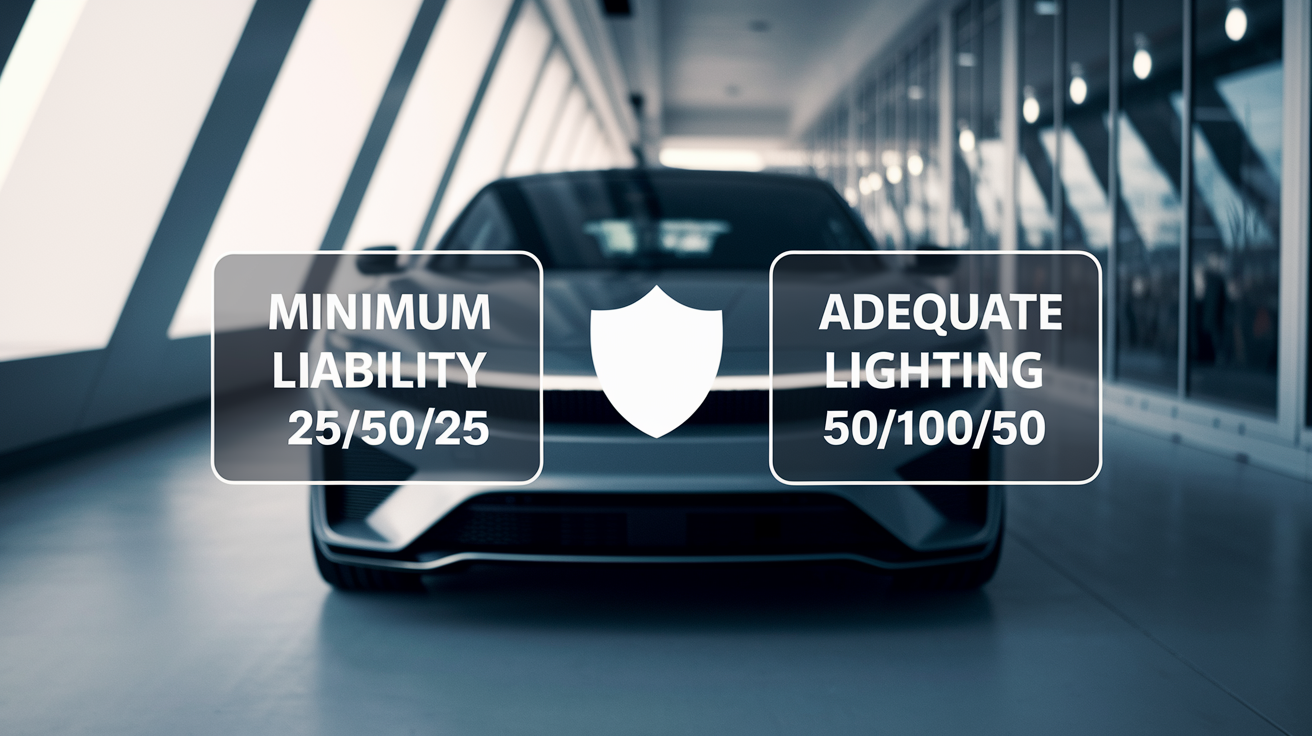
The cheapest adequate auto insurance means you’re carrying your state’s legal minimums, then tossing in just enough extra protection to keep a serious accident from destroying your finances. Most states spell out minimum liability as three numbers like 25/50/25 or 30/60/25. Those represent thousands of dollars: bodily injury per person, bodily injury per accident, property damage. Some states go even lower, 15/30/5. Nationally, liability-only runs about $500 to $900 per year. That’s as cheap as you’ll get.
But here’s the thing. Legal minimum is cheap because it only covers what you owe others when you’re at fault, and most state minimums haven’t budged while medical bills and repair costs have exploded. Real risk lives there. Picture a 25/50/25 policy and an accident that puts someone in the hospital with $120,000 in bills. Your insurer pays the per-person cap of $25,000. You’re on the hook for the remaining $95,000. That gap can mean wage garnishment, asset seizure, bankruptcy. Adequate coverage closes it by bumping liability to at least 50/100/50 and adding uninsured/underinsured motorist protection (UM/UIM), which usually costs only $25 to $150 more per year but covers you when the other driver has nothing or too little.
Core pieces of the cheapest adequate policy:
- State-required minimum liability as the legal baseline
- Uninsured motorist bodily injury matching your liability limits
- Underinsured motorist coverage to fill gaps when the at-fault driver’s policy falls short
- Modest liability bump to at least 50/100/50, or 100/300 if you own a home or have savings worth protecting
- Optional basic medical payments or personal injury protection to handle immediate bills without touching liability limits
Practical Consequences of Minimum vs Adequate Auto Insurance Coverage

Minimum liability keeps you legal but leaves you financially exposed. A 25/50/25 policy caps property damage at $25,000, which won’t cover replacing most newer sedans, SUVs, or light trucks. Total a $40,000 vehicle and the insurer pays $25,000. You get sued for the $15,000 balance. States with no-fault systems shift how claims work by requiring each driver’s policy to pay their own medical bills first, regardless of who caused the crash, but even no-fault states have liability minimums that can get blown through in severe multi-car pileups.
Adequate coverage raises those caps to levels that match real-world costs. Drivers with assets or future earnings should aim for 100/300 limits because lawsuits can attach to home equity, retirement accounts, wages for years. A $50,000 property damage limit covers nearly any passenger vehicle. A $100,000 per-person bodily injury limit drastically reduces the chance you’ll face personal liability after a crash.
| Coverage Level | BI Per Person | BI Per Accident | Property Damage |
|---|---|---|---|
| Minimum Typical (many states) | $25,000 | $50,000 | $25,000 |
| Budget-Adequate | $50,000 | $100,000 | $50,000 |
| Recommended-Asset-Rich | $100,000 | $300,000 | $100,000 |
In practice, property damage claims top $25,000 in roughly one out of every four total-loss crashes involving newer vehicles. Medical bills from ER visits, surgery, rehab routinely exceed $100,000 in cases with broken bones, head injuries, multiple victims. Higher limits cost more, but the premium difference between 25/50/25 and 50/100/50 is often under $15 per month. Small price to protect against five or six-figure personal judgments.
Average Cost of Adequate vs Minimum Auto Insurance by State
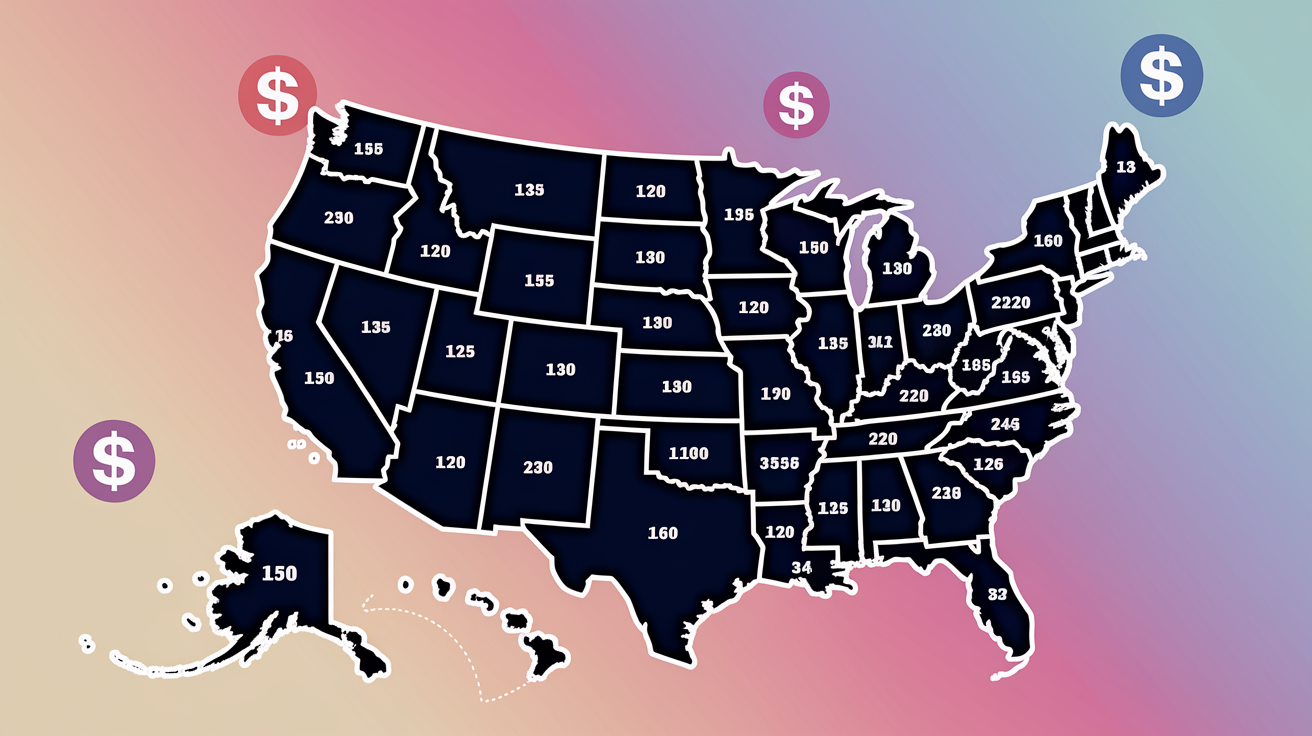
Nationwide, liability-only policies average between $500 and $900 per year. Full coverage with collision and comprehensive runs roughly $1,500 to $2,200 annually. That spread reflects age, driving record, credit score, vehicle type, location. States with high urban density, frequent severe weather, or elevated uninsured driver rates push premiums higher. Rural states with lower accident rates and better insured populations often see cheaper averages.
State-level variation is huge. Drivers in the cheapest states pay around $500 per year for basic liability. Those in the most expensive markets can face $3,000 to $3,500 or more annually for full coverage. Those extremes reflect not only state-mandated minimums but local court awards, fraud rates, insurer competition.
| State Example | Liability-Only Annual Avg | Full Coverage Annual Avg |
|---|---|---|
| Low-cost state | ~$500 | ~$1,200 |
| Mid-range state | ~$700 | ~$1,800 |
| High-cost urban state | ~$1,000 | ~$2,800 |
| Most expensive market | ~$1,200 | ~$3,500 |
| Specialty market (e.g., D.C.) | ~$900 | ~$3,250 |
ZIP code matters as much as state. Two neighboring towns in the same state can differ by hundreds of dollars per year because insurers price on repair costs, theft rates, claims frequency at a hyper-local level. Always compare quotes using your exact address, not statewide averages, to see what you’ll actually pay.
Cheapest Insurers That Typically Offer Adequate Low‑Cost Coverage

No single insurer wins everywhere, but patterns show up when you compare rates across demographics and states. GEICO frequently offers the lowest liability-only premiums, with national sample rates around $41 per month or $494 per year. Travelers often leads for full coverage, averaging $139 per month or $1,665 annually in recent large-scale analysis. USAA consistently beats both for eligible military members, veterans, federal employees, with full coverage averaging $130 per month.
Regional carriers can undercut national brands, especially for drivers with violations or poor credit. Companies like Erie, Country Financial, Auto-Owners compete hard in their service areas and sometimes offer rates that beat the big names by 10 to 20%. Usage-based and pay-per-mile insurers such as Root, Metromile, Mile Auto reward low-mileage drivers with discounts up to 30%, making them perfect if you drive fewer than 7,500 miles per year.
Young drivers face steep premiums regardless of carrier, but some insurers specialize in affordable teen coverage. Progressive, State Farm, certain regional mutuals offer usage-based programs that let safe young drivers prove their habits and earn discounts within the first policy term. Drivers with bad credit or recent violations should compare Progressive, Mercury, smaller regional carriers that use different underwriting formulas.
Typical lowest-cost insurer categories:
- Largest low-cost national carriers: GEICO, State Farm, Progressive for broad demographic appeal and competitive base rates
- Military-only lowest: USAA for service members, veterans, eligible family members
- Regional cost leaders: Erie, Country Financial, Auto-Owners in their respective coverage areas
- Cheapest for young drivers: Progressive usage-based, regional mutuals, State Farm Good Student programs
- Cheapest for bad credit or violations: Progressive, Mercury, smaller specialty carriers
- Best usage-based / low-mileage: Root, Metromile, Mile Auto for drivers under 7,500 annual miles
Essential Coverages That Keep Cheap Insurance Adequate
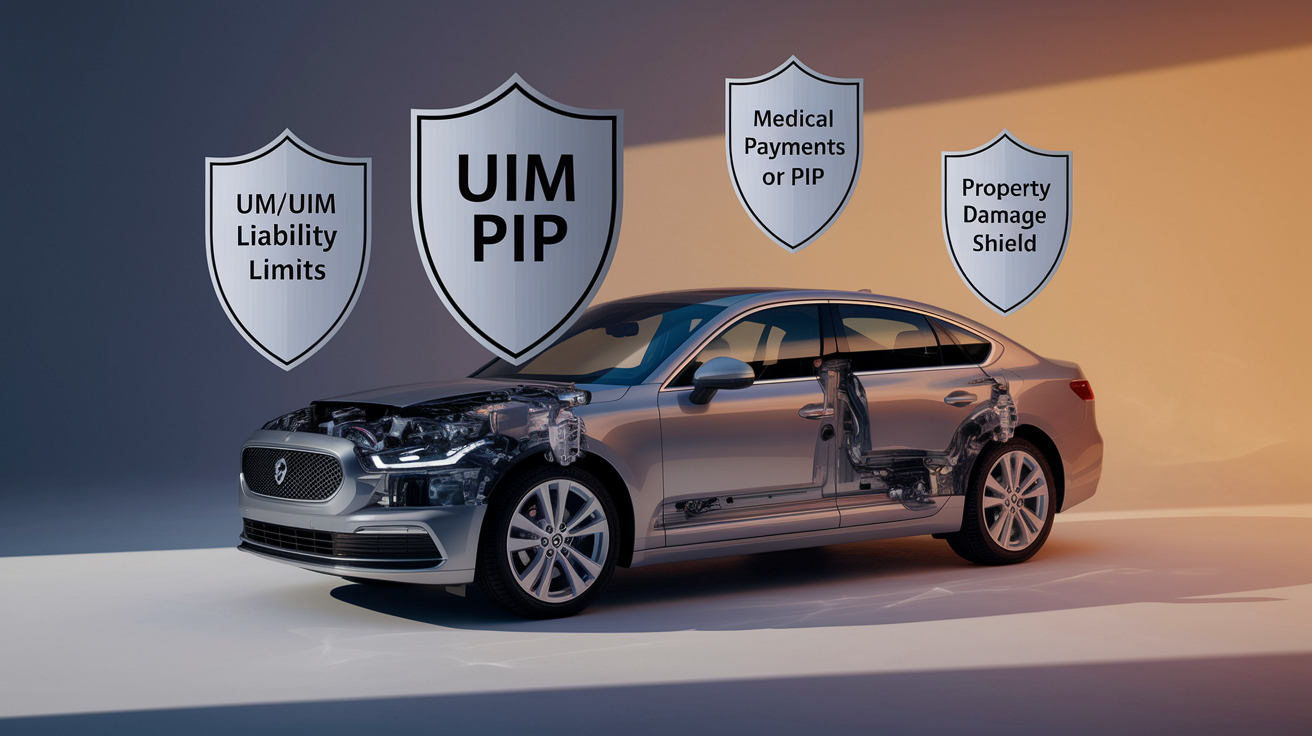
Uninsured motorist (UM) and underinsured motorist (UIM) coverage are the single most valuable add-ons for budget policies. They protect you when the at-fault driver has no insurance or carries only state minimums that can’t cover your medical bills or vehicle damage. In states where one in eight drivers is uninsured, UM/UIM becomes critical. The cost is modest, typically $25 to $150 per year, and should match your liability limits to provide full protection.
Medical payments coverage or personal injury protection (PIP) handles immediate medical expenses regardless of fault, covering ambulance rides, ER visits, follow-up care without waiting for liability determination. In no-fault states, PIP is mandatory. In traditional tort states, medical payments is optional but inexpensive. Both prevent out-of-pocket shocks in the hours and days after a crash.
Key low-cost protections that make liability-only adequate:
- UM/UIM bodily injury matching your liability limits (example: if you carry 50/100, buy 50/100 UM/UIM)
- Medical payments or PIP at modest levels ($5,000 to $10,000) to cover initial bills
- Property damage liability raised to at least $50,000 to avoid personal exposure from totaling newer vehicles
- Roadside assistance and rental reimbursement as optional low-cost conveniences
Deductibles and Tradeoffs in Cheap Adequate Auto Policies
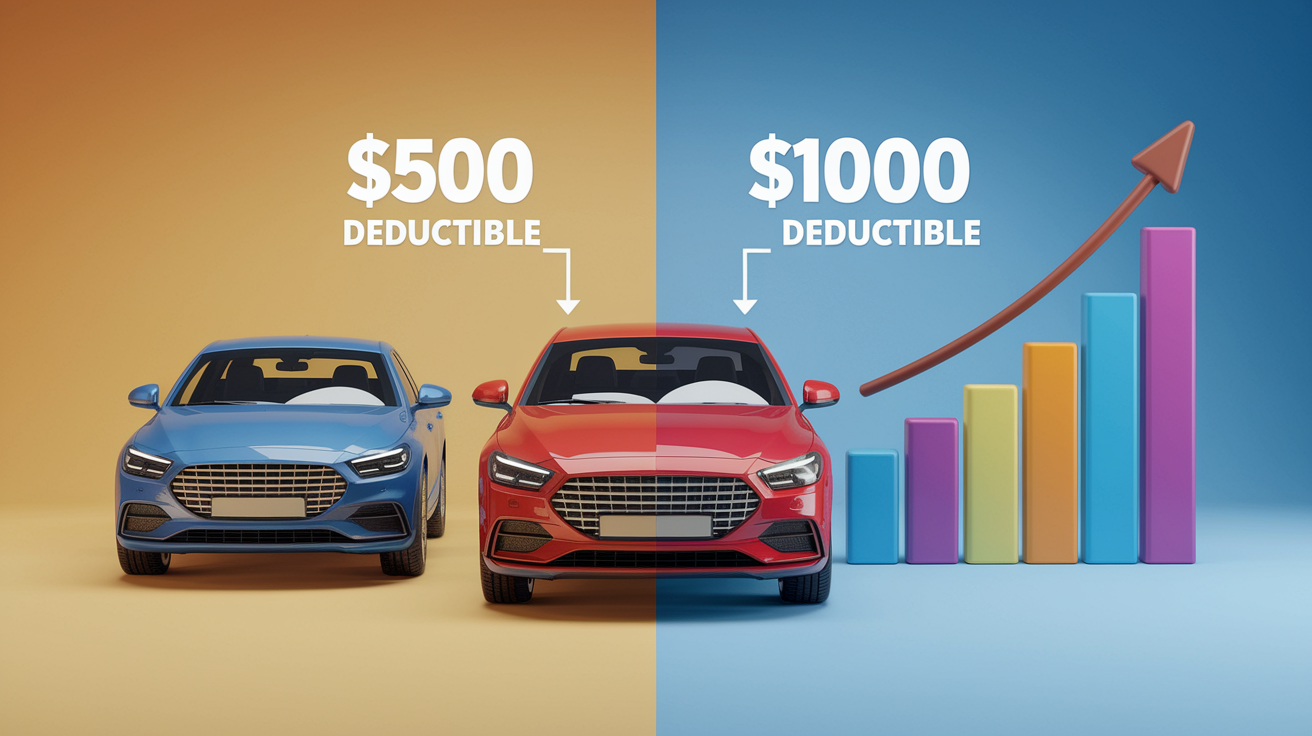
Raising your collision and comprehensive deductibles from $500 to $1,000 typically cuts those coverage premiums by 10 to 25%, translating to $100 to $300 in annual savings depending on your vehicle’s value and location. The tradeoff is simple. You pay the first $1,000 of repair costs after an accident or comprehensive claim, and the insurer covers everything above that. If you can handle a $1,000 surprise expense, the higher deductible almost always pays for itself within two to three years.
Dropping collision and comprehensive altogether makes sense for older, low-value vehicles. If your car is worth less than $4,000, and your annual collision plus comprehensive premium exceeds the vehicle’s value minus your deductible, you’re better off self-insuring those risks. Roughly one-third of drivers with older vehicles skip comp and collision to reduce premiums by 30 to 60%.
Key deductible decision points:
- Choose $1,000 deductibles if you have emergency savings and want the lowest premium
- Keep $500 deductibles if you prefer lower out-of-pocket risk after a claim
- Drop collision if vehicle value is below $4,000 and you can afford to replace it yourself
- Keep comprehensive even on older cars if you live in a high-theft or severe-weather area
- Avoid filing small claims that fall below or near your deductible, since at-fault claims raise future premiums
Discounts That Make Adequate Auto Insurance Cheaper

Stacking discounts is the fastest way to cut premiums without reducing coverage. Multi-policy bundling, where you combine auto with homeowners or renters insurance, delivers 10 to 25% off your auto premium with most carriers. Multi-car discounts of 10 to 25% apply when you insure two or more vehicles on the same policy, making family or household policies significantly cheaper per car.
Safe-driver and accident-free discounts range from 10 to 30% and reward continuous claim-free years. Good student discounts for drivers under 25 with a B average or better save 10 to 20%. Paying your annual premium in full instead of monthly installments avoids service fees and can save 3 to 10%, while enrolling in autopay or paperless billing adds another 1 to 5%. Usage-based telematics programs that monitor speed, braking, mileage offer 5 to 30% discounts for low-risk driving habits, and low-mileage discounts reward drivers who log fewer than 7,500 miles per year with up to 20% off.
Most valuable discount opportunities:
- Multi-policy bundling (home + auto): 10 to 25% off auto premium
- Multi-car discount: 10 to 25% when insuring two or more vehicles
- Safe-driver / accident-free: 10 to 30% after three to five years with no claims
- Good student discount: 10 to 20% for students maintaining a B average
- Pay-in-full discount: 3 to 10% by avoiding monthly service fees
- Usage-based / telematics: 5 to 30% for safe driving habits and low mileage
Using Comparison Tools to Find the Cheapest Adequate Coverage

Shopping for the cheapest adequate coverage requires collecting quotes from multiple insurers with identical coverage limits, deductibles, driver details. Start by gathering at least three to five quotes, including one regional carrier, one usage-based option, at least two national brands. Use online comparison tools that pull live rate filings, but also contact independent agents who have access to smaller carriers that don’t advertise widely.
State insurance department websites often provide rate comparison tools and complaint ratios, helping you identify both low-cost insurers and those with high customer satisfaction. When requesting quotes, provide the same vehicle, annual mileage, coverage limits, deductibles to every insurer so you’re comparing apples to apples. Small differences in how you describe your commute or vehicle use can swing quotes by hundreds of dollars.
- Decide your target coverage levels (liability, UM/UIM, deductibles) before requesting any quotes
- Gather quotes from at least three national carriers (GEICO, State Farm, Progressive are common starting points)
- Add at least one regional carrier that operates in your state
- Include one usage-based or pay-per-mile option if you drive fewer than 10,000 miles per year
- Check USAA if you’re eligible (military service, veteran status, or eligible family member)
- Use your state insurance department’s rate comparison tool to verify pricing and check complaint ratios
- Re-shop annually or after major life changes (move, marriage, new vehicle, traffic violation)
Sample Cheap Adequate Auto Insurance Scenarios for Different Drivers
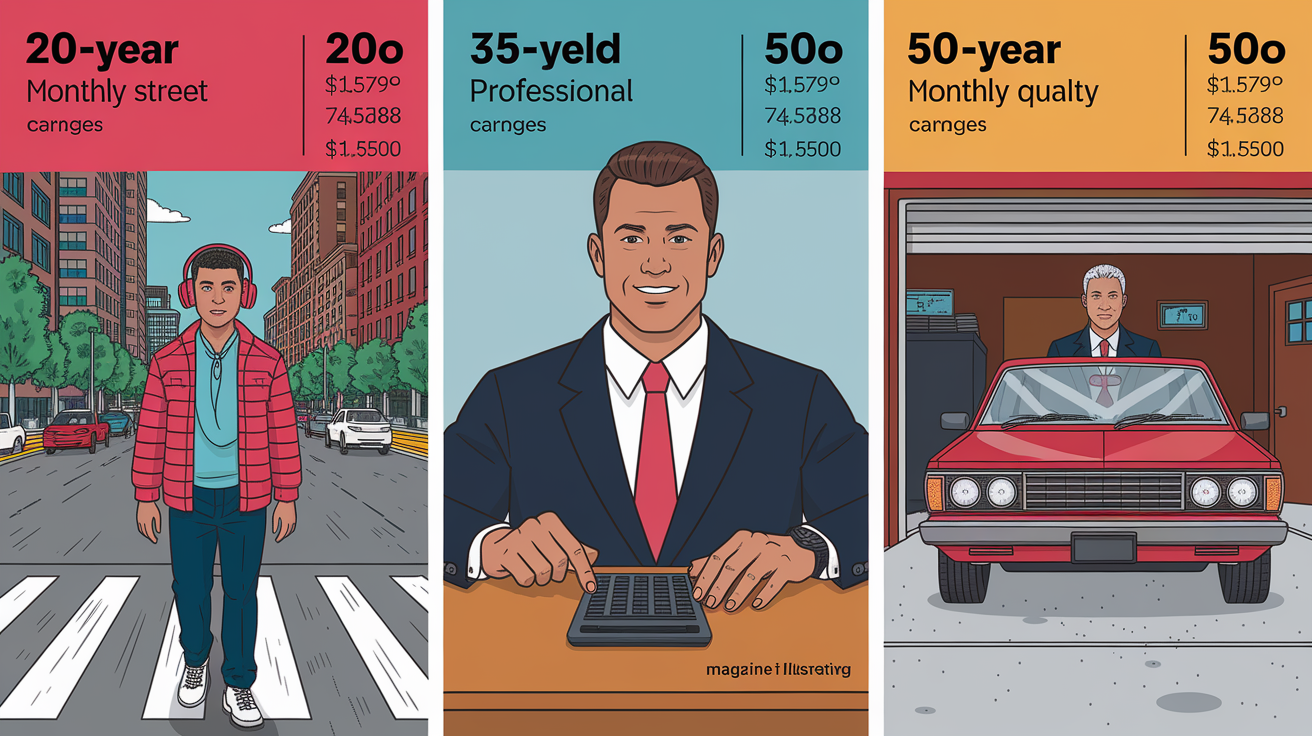
Young driver budget option
A 20-year-old driver with a clean record faces the highest premiums because age and inexperience drive risk. National averages show young drivers paying roughly $306 per month for full coverage, about 2.2 times what a 35-year-old pays. For a budget-conscious young driver with an older vehicle, the cheapest adequate approach is liability-only at state minimums plus UM/UIM, raising liability limits to 50/100/50, enrolling in a usage-based telematics program to earn safe-driver discounts.
| Coverage Chosen | Monthly Cost Estimate | Reasoning |
|---|---|---|
| 50/100/50 liability + 50/100 UM/UIM, no collision/comp | ~$180–$220 | Drops collision/comp on older car; uses telematics discount to offset young-driver surcharge |
| State minimum 25/50/25 + UM/UIM | ~$140–$170 | Absolute cheapest legal option; high financial risk if at fault in serious crash |
| Full coverage 100/300/100 + $1,000 deductibles | ~$280–$340 | Required if vehicle is financed; protects loan/lease and provides asset coverage |
Mature driver comparing minimum vs adequate
A 35-year-old driver with good credit and a clean record represents the baseline used in most rate analyses. National full-coverage averages hover around $139 per month, while liability-only can drop to $45 to $60 per month. For a driver with modest assets and a paid-off vehicle worth $8,000, the adequate middle ground is 50/100/50 liability, matching UM/UIM, comprehensive with a $1,000 deductible to protect against theft or weather damage while skipping collision.
| Coverage Chosen | Monthly Cost Estimate | Reasoning |
|---|---|---|
| State minimum 25/50/25 only | ~$45–$60 | Cheapest legal option; exposes driver to large out-of-pocket liability and leaves no vehicle protection |
| 50/100/50 liability + 50/100 UM/UIM + comprehensive $1,000 | ~$85–$110 | Adequate protection against liability and uninsured drivers; comprehensive covers theft/weather; skips collision on mid-value vehicle |
| 100/300/100 full coverage + $1,000 deductibles | ~$130–$160 | Recommended if driver owns a home or has retirement savings; collision included for vehicle replacement |
Older/low-value vehicle driver choosing essential coverages
A 50-year-old driver with a 12-year-old sedan worth $3,500 faces a clear decision. Paying for collision and comprehensive makes little financial sense when the annual premium exceeds the vehicle’s value minus the deductible. Travelers and other low-cost carriers average around $125 per month for full coverage at this age, but dropping comp and collision can cut that to $70 to $90 per month while still maintaining adequate liability and UM/UIM protection.
| Coverage Chosen | Monthly Cost Estimate | Reasoning |
|---|---|---|
| State minimum 25/50/25 only | ~$50–$65 | Cheapest option; acceptable only if driver has no assets and can afford to lose the vehicle |
| 50/100/50 liability + 50/100 UM/UIM, no comp/collision | ~$70–$90 | Adequate liability and uninsured motorist protection; self-insures vehicle damage since replacement cost is low |
| 100/300/100 liability + UM/UIM, no comp/collision | ~$85–$105 | Best option if driver owns a home or has significant savings; protects assets at minimal added cost |
Avoiding Common Pitfalls When Buying the Cheapest Adequate Insurance
Coverage lapses trigger rate spikes that can last three years or more. Missing a single payment or letting your policy cancel creates a gap in continuous coverage, and insurers treat that lapse as a red flag for financial instability or high risk. Many states require proof of continuous insurance to avoid penalties or license suspension, and even a one-day gap can increase your premium by 20 to 40% when you reinstate coverage.
Policy exclusions hide gaps that only appear when you file a claim. Read the declarations page and exclusions section carefully. Some low-cost carriers exclude rideshare driving, business use, coverage for drivers not listed on the policy. If you occasionally drive for Uber or lend your car to a roommate, those situations might be entirely uncovered. Complaint ratios matter, too. A carrier with rates 15% lower than competitors but double the complaint rate might delay claims, deny coverage on technicalities, or provide poor customer service when you need help most.
Key pitfalls to watch for:
- Letting coverage lapse even briefly, which causes long-term rate increases and potential license suspension
- Ignoring policy exclusions for rideshare, business use, or unlisted drivers
- Choosing a carrier with high complaint ratios just to save a few dollars per month
- Failing to update your policy after moving, adding a driver, or buying a new vehicle, which can void coverage
Final Words
In the action, we defined state minimums (25/50/25, 15/30/5), explained why liability-only is cheapest, and showed what “adequate” looks like (50/100/50 or 100/300) plus typical costs.
You saw real consequences of skimping, the low-cost add-ons that matter (UM/UIM, med-pay), deductible trade-offs, discount opportunities, and how to shop with 3–5 comparable quotes.
If you’re still asking what is the cheapest adequate auto insurance, aim for minimums plus a modest limit bump, UM/UIM, and a sensible deductible, then compare carriers. You can get affordable protection that keeps your finances safe.
FAQ
Q: Who typically has the cheapest car insurance?
A: The drivers who typically have the cheapest car insurance are experienced, clean‑record adults with good credit, low annual mileage, safe vehicle models, and access to group or military discounts like USAA.
Q: Is 30/60/25 or 50/100/50 enough coverage?
A: Whether 30/60/25 or 50/100/50 is enough coverage depends on your assets and state; 30/60/25 meets many minimums but can leave big gaps, while 50/100/50 offers modest extra protection.
Q: What full coverage car insurance is the cheapest?
A: The full coverage car insurance that’s usually cheapest comes from some national and regional carriers; Travelers often posts low full‑coverage rates, and USAA is cheapest for eligible military families—compare quotes to confirm.