



Think your homeowners insurance covers everything? Think again.
A basic policy is split into six parts that handle your house, detached buildings, your belongings, extra living costs if you can’t stay there, liability for injuries or damage, and small medical bills for guests.
Knowing each part helps you avoid surprises at claim time.
This post explains what each section (A–F) usually covers, typical limits and deductibles, and the common gaps you should fix before you need them.
Core Components Included in Basic Homeowners Insurance Coverage
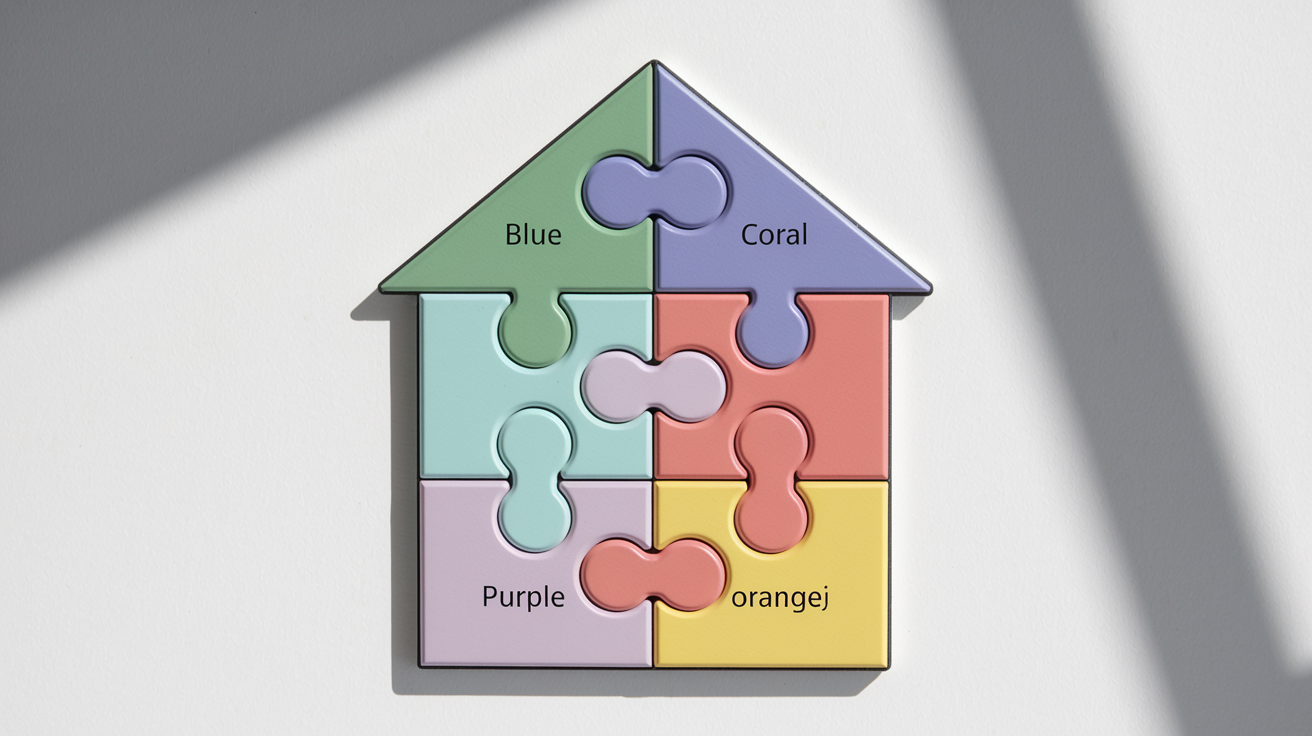
A basic homeowners policy breaks down into six parts. They’re designed to cover your home, your stuff, extra costs if you can’t live there, and legal or medical bills if someone gets hurt on your property.
You’ll see these coverages labeled A through F. Each one has its own dollar limit, and some are tied to percentages of your dwelling coverage. Understanding what each section does helps you spot where you’re protected and where you’re not.
Here’s what’s included:
Coverage A (Dwelling): Pays to fix or rebuild your home after covered damage like fire, windstorm, or vandalism.
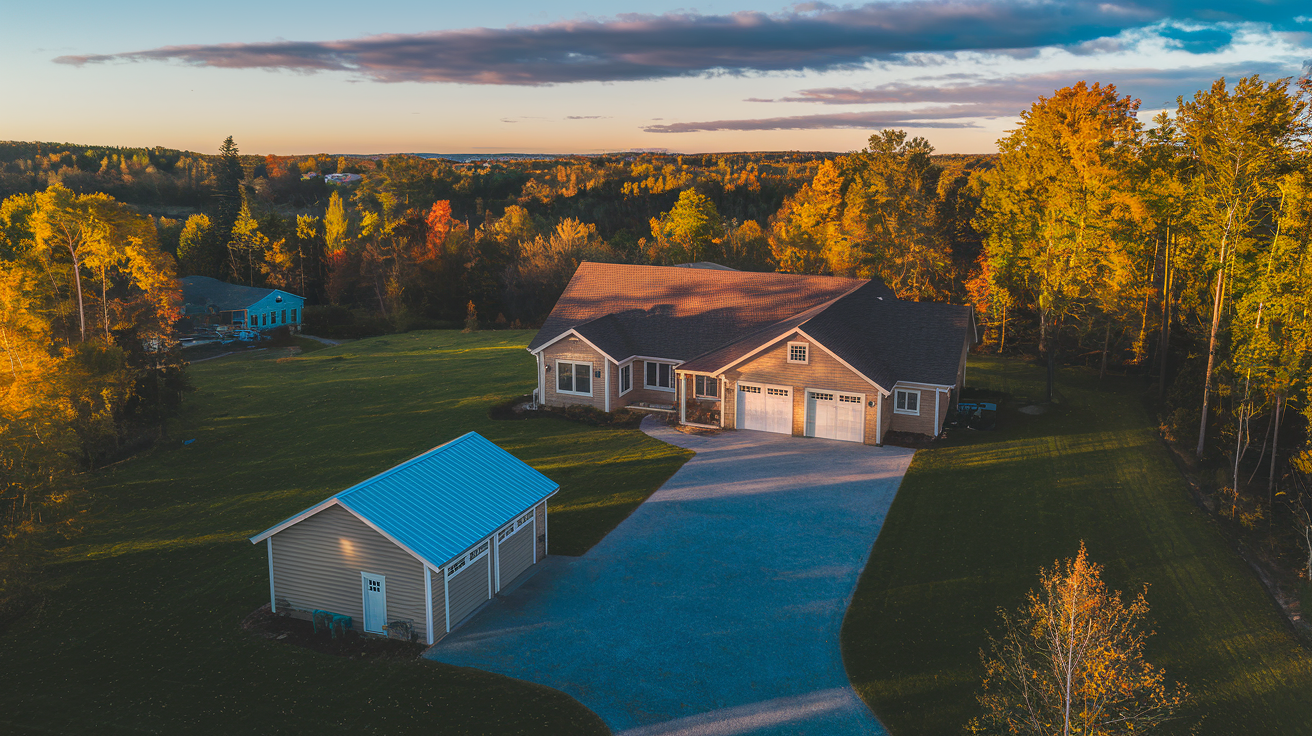
Coverage B (Other Structures): Covers detached buildings like garages, sheds, and fences. Usually set at around 10% of your dwelling limit.
Coverage C (Personal Property): Protects your furniture, clothes, electronics, and other belongings. Typically 50% to 70% of what you’re insuring your house for.
Coverage D (Loss of Use / ALE): Pays for hotels, meals, and other extra expenses if your home becomes unlivable. Often about 20% of your dwelling coverage.
Coverage E (Personal Liability): Covers you if you’re legally responsible for someone else’s injury or property damage. Limits often start at $100,000.
Coverage F (Medical Payments to Others): Pays small medical bills for guests injured at your place, no matter who’s at fault. Usually $1,000 to $5,000 per person.
Knowing how these sections relate to each other matters. If your dwelling coverage is too low or you haven’t added protection for expensive items, you won’t find out until you file a claim.
Dwelling and Other Structures Coverage Explained
Dwelling coverage pays to repair or rebuild your home when something covered damages it. Insurers want you to set this limit based on what it costs to rebuild, not your home’s market value or what you owe on the mortgage. If you insure to full replacement cost and keep that number updated as construction prices go up, you’re less likely to get shortchanged after a big loss.
What’s typically covered:
- Fire and lightning
- Hail and wind
- Explosions or sudden smoke damage
- Theft, vandalism, falling objects
- Weight of ice, snow, or sleet
Coverage B extends to structures that aren’t attached to your house. A detached garage, shed, fence, gazebo, or standalone greenhouse all count. Most policies automatically set this at 10% of your dwelling coverage. So if you’ve got $300,000 on your house, other structures get $30,000. Own a big workshop or pool house? You can bump that percentage or ask for a specific higher limit.
What Personal Property Coverage Includes in a Basic Homeowners Insurance Policy

Personal property coverage protects your belongings against fire, theft, windstorm, and other covered events. Most policies set this limit at 50% to 70% of dwelling coverage. If your home’s insured for $250,000, expect personal property coverage somewhere between $125,000 and $175,000. Your stuff is covered anywhere in the world, but some policies cap off-premises theft or damage at about 10% of the personal property limit.
High-value items get tricky. Jewelry, furs, silverware, collectibles, and firearms are covered, but usually with sublimits (internal dollar caps) unless you schedule them separately. Scheduling an item with an endorsement raises or removes the sublimit and often provides agreed-value coverage based on an appraisal.
| Item Type | Typical Sublimit | Coverage Notes |
|---|---|---|
| Jewelry, watches, furs | $1,000–$2,000 total | Scheduling raises limit to appraised value |
| Firearms | $2,000–$2,500 total | May require a scheduled property endorsement |
| Silverware, collectibles | $2,500 total | Schedule for full agreed value |
Payouts happen in two ways. Actual Cash Value (ACV) gives you what the item’s worth after depreciation. Replacement Cost pays what it costs to replace it with something new and comparable. A 10-year-old laptop worth $1,500 new but depreciated $600 would pay $900 under ACV or $1,500 under Replacement Cost. Most basic policies default to ACV for personal property unless you upgrade. Replacement Cost adds a small premium bump but can make a massive difference in what you actually get after a loss.
Loss of Use / Additional Living Expenses in Basic Homeowners Insurance
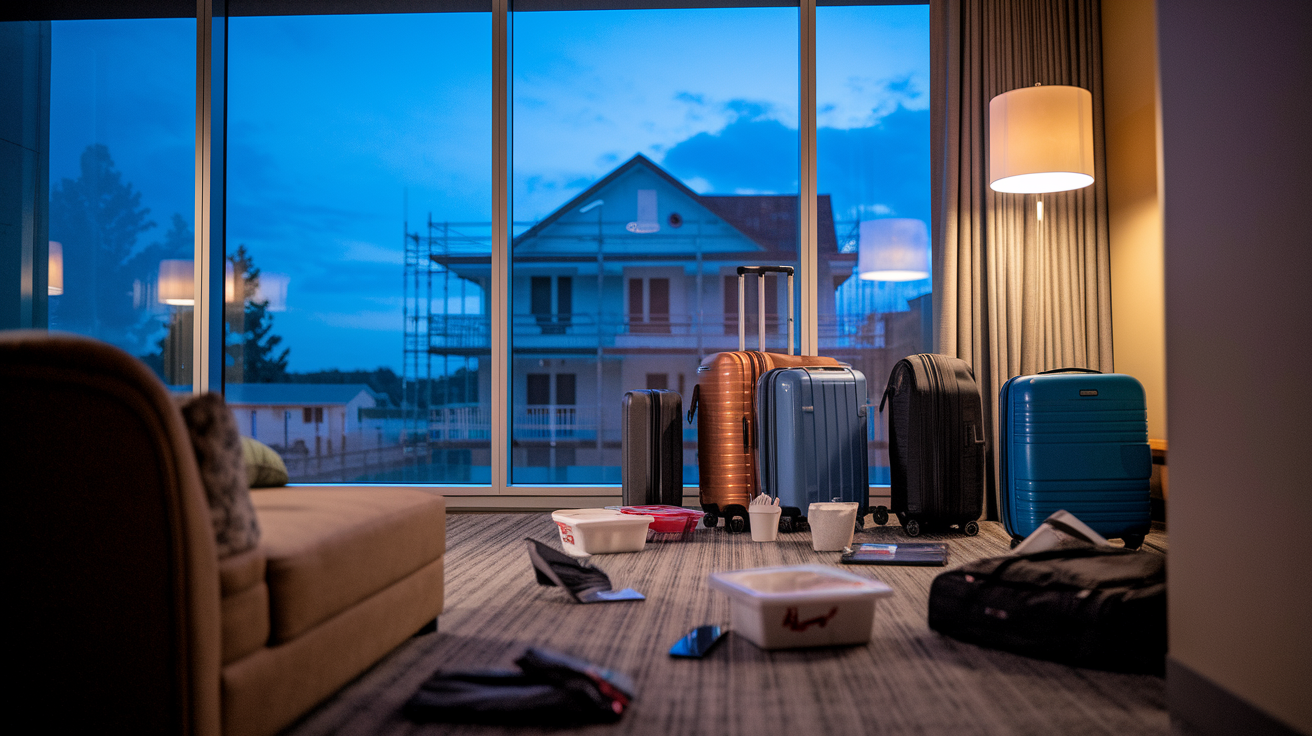
Additional Living Expenses (ALE) covers extra costs if your home becomes unlivable after a covered event. Hotel bills, restaurant meals, pet boarding, laundry, even mileage to temporary housing. It doesn’t pay your normal expenses, just the additional amounts beyond what you’d usually spend.
The limit’s commonly around 20% of your dwelling coverage, though some policies cap it by time instead. If your dwelling coverage is $300,000, ALE is typically $60,000. Some add a time restriction (12 or 24 months from the loss date), so check both the dollar limit and the time cap. If you rent out part of your home, ALE can also reimburse lost rental income while the space is being fixed.
Liability Protection and Medical Payments in a Basic Homeowners Insurance Policy

Personal liability coverage protects you if you’re legally responsible for someone’s injury or property damage. A guest slips on your icy driveway. Your dog bites a neighbor. You accidentally damage someone else’s property. Liability coverage pays for legal defense and court-awarded damages up to your policy limit.
Basic policies often start at $100,000, but many insurers recommend higher limits ($300,000 or $500,000) based on your assets. Got significant savings, investments, or home equity? Consider a $1 million umbrella policy that kicks in after your homeowners liability limit runs out. Legal defense costs are usually paid in addition to the policy limit, though this varies, so confirm how defense expenses work when you’re shopping.
Medical payments to others (Coverage F) covers minor medical expenses for guests injured on your property, regardless of who’s at fault. Sometimes called “guest medical” coverage. If someone trips on your front step and needs stitches, Coverage F pays the bill directly without needing a lawsuit or proof of negligence. Typical limits run $1,000 to $5,000 per person. This doesn’t apply to you or your household, just third parties.
Covered Perils vs Exclusions in Basic Homeowners Insurance

A covered peril is an event your policy protects against. Basic policies cover a range of sudden, accidental events, but the list varies depending on whether your policy uses named-peril or open-peril language.
Common covered perils:
- Fire, lightning, explosion
- Windstorm and hail
- Theft and vandalism
- Smoke damage from a sudden event
- Sudden, accidental water discharge (burst pipe)
- Falling objects (tree limbs, aircraft)
- Weight of ice, snow, or sleet
- Riot or civil commotion
Exclusions are events specifically not covered:
- Flood and surface water (rising water from rivers, rain, storm surge)
- Earthquake, landslide, earth movement
- Routine wear and tear, neglect, deferred maintenance
- Mold or fungus from long-term moisture issues
- Sewer or sump-pump backup (unless you add an endorsement)
- Insect, rodent, or pest damage
Knowing your exclusions matters because you can close gaps with separate policies or add-ons. Flood insurance comes through the National Flood Insurance Program (NFIP) or private insurers. Earthquake coverage can be added or purchased separately. Sewer backup endorsements are widely available for a modest annual premium. If you’re in a flood or earthquake zone, adding those protections should be part of your planning.
Coverage Limits, Deductibles, and How Payouts Are Calculated

Coverage limits are the max dollar amounts your insurer will pay for each section. In a basic policy, the limits follow predictable relationships. Coverage B (other structures) is typically 10% of dwelling coverage. Coverage C (personal property) is about 50% to 70%. Coverage D (loss of use) is commonly 20%. If your dwelling limit is $300,000, expect other structures around $30,000, personal property around $150,000, and ALE around $60,000. You can adjust these if your situation needs more in a particular area.
Deductibles are what you pay out of pocket before insurance kicks in. Common deductibles range from $500 to $2,500, with $1,000 being popular because it balances premium savings and out-of-pocket risk. In hurricane or windstorm states, you might have a separate percentage-based deductible for wind or named-storm claims. A 2% hurricane deductible on a $300,000 dwelling equals a $6,000 deductible if a hurricane causes the damage, way higher than your standard all-other-perils deductible.
After a covered loss, insurers calculate payouts in three steps:
- Figure out the total cost to repair or replace based on coverage type (ACV or replacement cost).
- Subtract your deductible.
- Pay what’s left, up to your policy limit for that section.
If a fire causes $10,000 in covered damage and you’ve got a $1,000 deductible, the insurer pays $9,000. If damage exceeds your dwelling limit, you’re stuck with the difference. Choosing a higher deductible lowers your premium because you’re taking on more initial risk. A lower deductible increases your premium but reduces what you pay when you file a claim. Review your deductible annually and after major changes to make sure it fits your budget.
Replacement Cost vs Actual Cash Value in Basic Homeowners Insurance
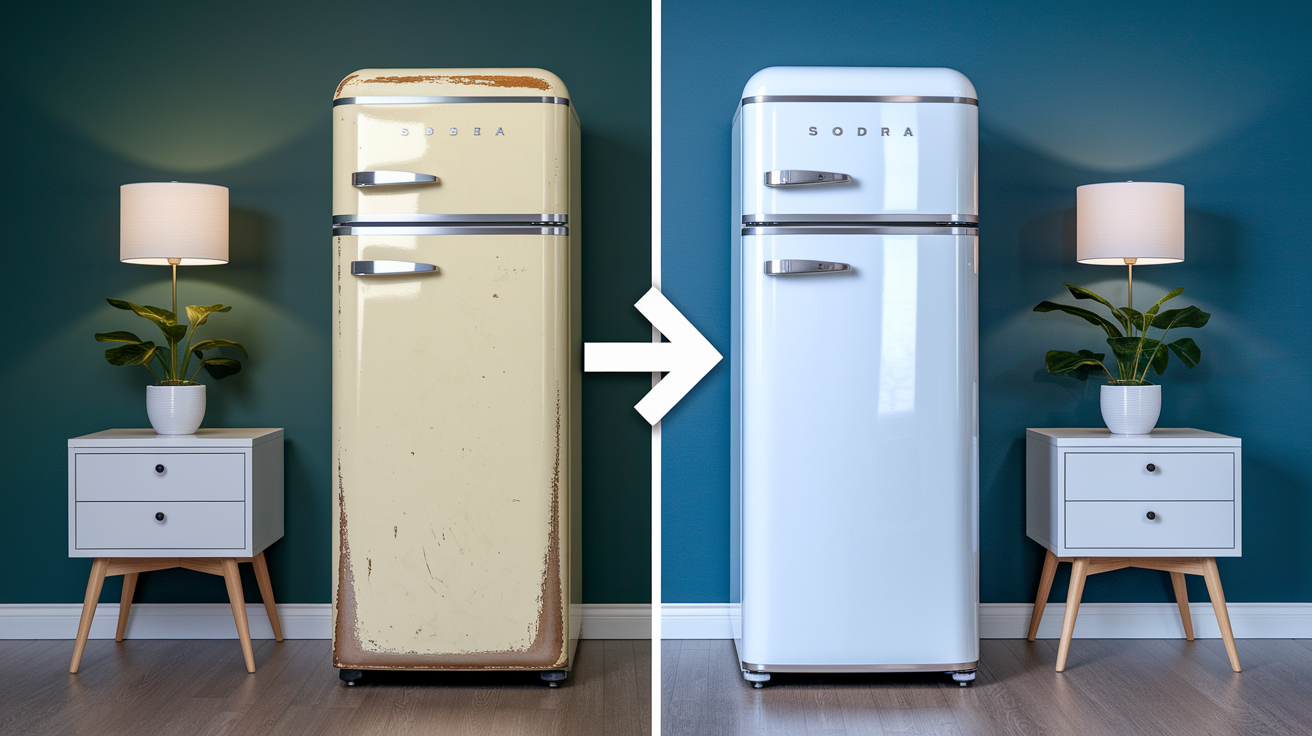
Replacement Cost (RCV) reimburses the full amount needed to repair or replace damaged property with new materials of similar quality, no depreciation deducted. Actual Cash Value (ACV) pays replacement cost minus depreciation, basically what the item’s worth after years of use. The difference can be hundreds or thousands of dollars on a single claim.
Example: a 10-year-old refrigerator originally cost $2,000 and has $800 in depreciation. Under ACV, the payout’s $1,200. Under Replacement Cost, the payout’s $2,000 once you replace the appliance and submit proof. Many insurers pay ACV first, then reimburse the depreciation holdback after you finish the replacement and file receipts.
Dwelling coverage (Coverage A) is typically written on a replacement-cost basis, so the insurer pays to rebuild using current construction costs without deducting for the age of the structure. Personal property (Coverage C) often defaults to Actual Cash Value unless you select or upgrade to Replacement Cost coverage, which usually adds a modest premium increase. Choosing Replacement Cost for personal property is generally worth it because you can actually afford to replace your stuff with new items instead of getting depreciated payouts that fall short.
Optional Endorsements That Expand Basic Homeowners Insurance Coverage

Endorsements (also called riders or add-ons) are optional coverages you can buy to fill gaps in a basic policy. Standard policies exclude certain events and impose sublimits on high-value items, so endorsements let you tailor coverage to your actual risk.
Common endorsements:
Scheduled Personal Property / Floaters: Insures jewelry, art, collectibles, musical instruments, and other high-value items for their appraised or agreed value, removing sublimits.
Flood Insurance: A separate policy through NFIP or private insurers covering rising water and surface flooding, which standard policies exclude.
Earthquake Coverage: Added as an endorsement or separate policy, typically with its own deductible (often percentage-based).
Sewer and Sump-Pump Backup: Covers damage when drains, sewers, or sump pumps back up into the home, a common exclusion.
Ordinance or Law Coverage: Pays for the extra cost to rebuild your home to current building codes, which can require upgrades like electrical, plumbing, or foundation work not covered under standard dwelling limits.
Scheduling personal property means listing each item individually on your policy with its appraised value. The insurer charges an additional premium based on the item’s value and type. Scheduling a $6,000 engagement ring might cost $60 to $100 per year depending on your location and insurer. In return, if the ring’s lost, stolen, or damaged, the policy pays the full agreed value without applying the standard jewelry sublimit.
Extended or guaranteed replacement cost endorsements increase your dwelling coverage limit by a set percentage (commonly 10% to 25% or more) or guarantee the insurer will pay the full cost to rebuild even if it exceeds your stated limit. This protects you if construction costs spike after a widespread disaster when labor and materials become scarce. Extended replacement cost adds a moderate premium increase but provides valuable protection against underinsurance, especially in areas prone to hurricanes, wildfires, or other catastrophic events affecting many homes at once.
Final Words
You now know the six core parts of a basic homeowners policy: dwelling, other structures, personal property, loss of use/ALE, liability, and medical payments. Each piece has limits, deductibles, and common exclusions to watch for.
Knowing covered perils versus exclusions, RCV vs ACV, and common endorsements helps you spot gaps and choose the right add‑ons.
If your question is what is included in basic homeowners insurance, this guide lays out the typical coverages and what to check next. You’re in a much better spot to compare policies and protect your home.
FAQ
Q: What does a basic homeowners insurance policy cover?
A: A basic homeowners insurance policy covers your home’s structure (dwelling), detached structures, personal belongings, additional living expenses if uninhabitable, personal liability, and small medical payments to guests.
Q: Is osteoporosis covered by insurance?
A: Osteoporosis is a medical condition typically covered by health insurance, Medicare, or prescription plans; it’s not something homeowners insurance covers.
Q: Which of the following is not covered under a basic homeowners policy?
A: Commonly not covered under a basic homeowners policy are flood and earthquake damage, gradual wear or maintenance issues, mold from long-term leaks, sewer backups, and insect or rodent damage like termites.
Q: Does homeowners insurance cover termites?
A: Homeowners insurance usually does not cover termite damage; pests and related damage are treated as preventable maintenance issues, so you pay for pest control and repairs unless you buy a specific endorsement.