
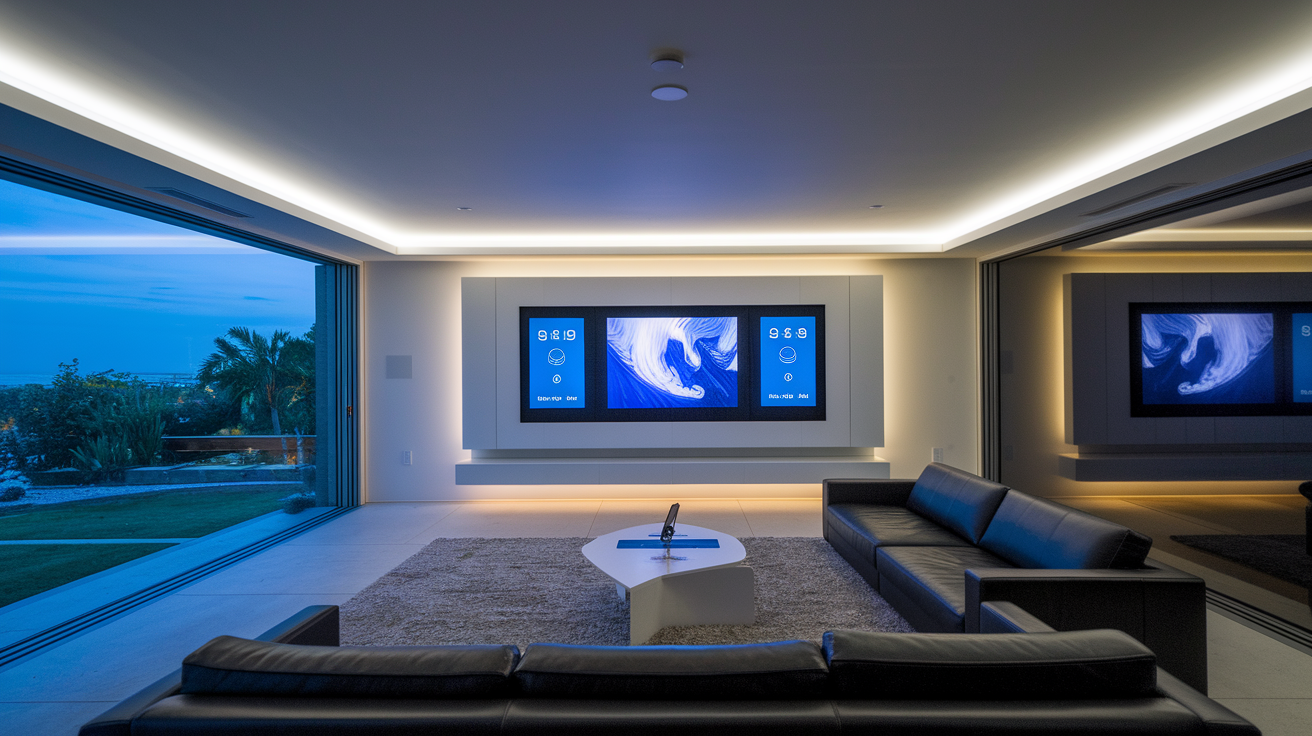


Think smart home tech is just flashy gadgets that look cool but don’t change your life?
In 2026 it’s different: devices use AI, Thread, and Matter to learn your habits and cut daily friction.
This post rounds up the coolest smart home technology that actually transforms your living space, covering security, climate, lighting, kitchen, and entertainment gear that works together instead of fighting.
You’ll get clear examples, real benefits, and simple buying checks so you spend time enjoying your home, not fixing it.
A Curated Roundup of the Coolest Smart Home Technology for 2026

Smart home tech in 2026 doesn’t just connect to your phone anymore. It thinks, adapts, and learns what you want before you say it. Devices now bundle AI automation, voice control, and multi-protocol support so you’re not stuck juggling incompatible ecosystems. You can run Alexa, Google Assistant, HomeKit, and SmartThings side by side without needing separate hubs or spending a weekend reading setup guides. AI-based sensing lets devices adjust on the fly. Your vacuum ramps up suction when it hits a dirty patch, your thermostat tweaks itself before you walk through the door, and lights dim when nobody’s around. Less manual fiddling, more actual automation.
The coolest smart home technology covers security, lighting, entertainment, climate, and kitchen gear with features that used to live in sci-fi novels. Biometric locks scan your palm veins and unlock in under a second. Robot vacuums navigate around 100 household objects and announce when they’re heading back to charge. Matte-screen TVs double as art displays and power down when the room’s empty. Automated cooking devices read QR codes on meal kits and dial in time and temperature without you lifting a finger. Ice makers churn out nugget ice on demand, and coffee brewers start your pot when your alarm goes off.
The Aqara Camera Hub G5 Pro gives you color night vision and acts as a hub for Matter, Thread, and Zigbee devices. The Ecobee Smart Thermostat Premium includes a remote sensor for consistent temp across rooms and costs $249.99. Tovala Smart Oven scans QR codes on meal kits to automate baking, broiling, roasting, and steaming for $249. Sleep Number 360 i8 Smart Bed adjusts firmness independently on each side with sleep tracking, priced at $6,198. Kohler Veil Smart Toilet offers hands-free lid, UV self-cleaning, heated seat, and 100-flush emergency mode during power outages for $5,500. Ecovacs Deebot X8 Pro Omni features self-emptying dustbin, self-refreshing mop, and built-in voice assistant at $1,399.99. Hisense QLED 4K S7N CanvasTV has a matte screen that mimics art, auto-adjusts brightness, and turns off after 15 minutes if nobody’s detected. Homedics Natura Ultrasonic Humidifier runs up to 60 hours on a 1.3-gallon tank with an integrated planter for small tropical plants. Sonos Move 2 is an IP56 weatherproof portable speaker with stereo sound and hands-free Alexa control for $449. Rachio 3 Smart Sprinkler Controller automatically reschedules watering during forecasted rainfall, $229.99.
The Matter standard ties these innovations together, letting devices from different manufacturers talk without proprietary bridges. Thread support provides a low-power mesh network that keeps battery-powered sensors and locks running for months. Aesthetic-forward devices like canvas TVs and humidifiers with built-in planters prove smart tech doesn’t have to look like a circuit board sitting on your counter. Manufacturers are designing products that blend into your space instead of clashing with it.
These devices change how your home feels by removing friction from everyday tasks. You walk into a room and the lights adjust to the time of day. The thermostat learns when you prefer it warmer. Your coffee’s ready before you ask. Security cameras recognize your face and skip the alert. Robot vacuums navigate around furniture and pet accidents. Your bed warms your side while cooling your partner’s. The result is a living space that requires less effort to manage and more closely matches the comfort level you want.
Smart Home Security Technology That Leads 2026 Innovation

AI-driven cameras and multi-protocol hubs form the backbone of home security now, replacing older systems that needed separate apps and monitoring plans for each device. Modern security cameras use AI motion detection to tell the difference between a person, a pet, and a swaying tree branch. That cuts down on false alerts and lets you focus on real threats. Multi-protocol hubs support Matter, Thread, and Zigbee in one box, so you can add sensors, locks, and cameras from different brands without buying a new hub every time you upgrade. Color night vision captures detail in low light that older infrared cameras miss. Local storage options mean your footage stays private instead of uploading to a cloud server you don’t control.
The Aqara Camera Hub G5 Pro delivers high-resolution video with color night vision, AI motion detection, and hub support for Matter, Thread, and Zigbee protocols. Arlo Video Doorbell features a 180-degree diagonal field of view with HD or 2K video options, available in wired or wireless setup. Ultraloq Bolt Fingerprint supports HomeKit, voice control, fingerprint, keypad, mobile app, and traditional key access. Feather River Doors Smart Glass switches between opaque and transparent via button or voice command. SimpliSafe Home Security System offers month-to-month monitoring plans starting at $39.99 with no long-term contracts.
Biometric and multi-factor smart locks remove the risk of lost keys and forgotten codes by scanning your fingerprint or palm veins to unlock in under a second. The Ultraloq Bolt Fingerprint supports six different access methods: fingerprint, keypad, mobile app, voice command, HomeKit integration, and a physical backup key. You always have a way in even if your phone battery dies. Palm-vein recognition on devices like the eufy FamiLock S3 Max reads the unique vein pattern inside your hand, a feature that can’t be spoofed with a photo or fingerprint mold. These locks log every entry and exit, send alerts when someone unlocks the door, and integrate with video doorbells so you can see who’s there before you open it.
Monitoring options have shifted from expensive professional contracts to flexible DIY systems that let you choose month-to-month plans or skip monitoring entirely and handle alerts yourself. SimpliSafe starts at $39.99 per month with no multi-year commitment. ADT Command offers professional monitoring with superior customer service for users who want a dedicated response team. The difference in safety comes down to response time and backup connectivity. Professional systems typically include cellular backup so the alarm still reaches the monitoring center even if your internet goes down. Self-monitored setups rely on your phone and broadband to send alerts. If you live in a high-risk area or travel frequently, the redundancy of a monitored system is worth the monthly cost.
Smart Living Room Technology: Entertainment and Automation

Entertainment-focused automation has moved beyond voice-controlled lights to full-room ecosystems that adjust lighting, climate, sound, and video based on what you’re doing. When you say “movie time,” your smart display can dim the lights, lower the thermostat a degree, close the smart blinds, and switch the TV to your streaming app without touching a remote. Energy-aware smart plugs track how much power each device draws and let you schedule high-drain electronics to turn off overnight, cutting standby power waste that adds up over the month. The shift from single-function gadgets to coordinated scenes means your living room responds as a system instead of a collection of isolated devices.
Voice assistants and smart displays anchor the living room because they control lighting, thermostats, cameras, and entertainment with a single command or tap. The Amazon Echo Show 11 and Google Nest Hub Max serve as both information hubs and touchscreen controllers, displaying security camera feeds, weather forecasts, recipes, and video calls on a screen large enough to see from across the room. The Echo Dot Max delivers surprisingly full sound for an affordable Alexa speaker, making it a solid choice if you want voice control without paying for a premium display. These devices also act as Thread border routers and Matter controllers, turning your living room speaker into the gateway that connects battery-powered sensors and smart bulbs throughout your home.
Energy-aware smart plugs and thermostats lower your monthly utility bill by reducing waste and learning your schedule. The TP-Link Kasa Smart Wi-Fi Plug Slim monitors power usage in real time, so you can identify which devices draw the most electricity and schedule them to turn off when not in use. The Ecobee Smart Thermostat Premium, priced at $249.99, includes a remote sensor that measures temperature in multiple rooms and adjusts heating or cooling to keep the whole space comfortable instead of just the room where the thermostat’s mounted. The $79.99 Amazon Smart Thermostat offers similar scheduling and remote control for users who want basic automation without the extra sensors. Both options learn when you’re home and adjust themselves, so you’re not heating or cooling an empty house.
| Device | Key Feature Highlight |
|---|---|
| AiDot Linkind Wi-Fi Matter Smart Light Bulb | Displays 16 million colors and works with Alexa, Google, HomeKit, and SmartThings |
| TP-Link Kasa Smart Wi-Fi Power Strip HS300 | 6 independently controlled outlets with IFTTT support for custom automations |
| Eufy E220 Indoor Cam | High-resolution video with local and cloud storage options, $51.99 MSRP |
| Furbo 360 Dog Camera | Treat-tossing and pet-specific motion notifications, $210 |
The Coolest Smart Home Technology for Kitchens

Smart displays have become the command center for modern kitchens, showing recipes with step-by-step video, setting multiple timers by voice, and controlling every connected appliance without needing to wash your hands first. The Amazon Echo Show 8 fourth generation, priced at $179.99, sits at the perfect size for a countertop. It’s large enough to read recipes from across the room but compact enough not to dominate your workspace. You can ask it to preheat the oven, start the coffee maker, check the grocery list, or display the front-door camera feed when the doorbell rings. Integration with Alexa routines means your morning coffee can start brewing the moment your bedroom alarm goes off. Your kitchen lights can turn on when the refrigerator door opens before sunrise.
Automated cooking devices and precision brewing equipment remove guesswork from meal prep by adjusting time, temperature, and technique based on what you’re making. The Tovala Smart Oven, priced at $249, scans QR codes on meal kits and automatically sets the correct mode: baking, broiling, roasting, or steaming. You don’t have to look up cooking instructions or babysit the timer. The xBloom Studio, priced at $499, grinds coffee beans and brews with barista-level precision, adjusting grind size, water temperature, and brew time to match the beans you’re using. The Hamilton Beach Smart Coffee Maker, at $89.99, offers a budget-friendly option that responds to voice commands and integrates with Alexa routines, so your pot is ready when you walk into the kitchen each morning.
Ice makers, trash cans, and convenience appliances bring features that used to require a commercial kitchen into your home. The Ecozy Smart Panel Nugget Ice Maker Mistalo, priced at $499.99, produces soft, chewable nugget ice on demand. The same type you get at certain fast-food restaurants. The Simplehuman Dual-Compartment Rectangular Sensor Can, priced at $250, responds to voice commands to open the lid, letting you toss scraps without touching the bin when your hands are covered in flour or raw chicken. These appliances eliminate small frustrations: waiting for ice trays to freeze, fumbling with a foot pedal when your hands are full. They make daily kitchen tasks faster.
Kitchen-ready robot vacuums and mops handle crumbs, spills, and pet hair without needing you to sweep before they run. The TP-Link Tapo RV30 Max Plus, priced under $300, features efficient navigation and a self-emptying dustbin that holds debris for weeks. The Ecovacs Deebot X8 Pro Omni, priced at $1,399.99, includes a self-emptying dustbin, a self-refreshing mop, and a built-in voice assistant that announces when it’s heading back to the dock or needs maintenance. The iRobot Roomba j9+, priced at $899.99, includes a POOP guarantee. If the vacuum hits pet waste within the first year, iRobot replaces the unit for free. These robots detect obstacles, avoid cords and chair legs, and return to their charging dock when the battery runs low, then resume cleaning where they left off.
Bedroom Smart Tech for Better Sleep and Comfort

Smart beds and temperature-adjusting systems tailor your sleep environment to your body instead of forcing you to compromise with a partner who runs hot or cold. The Sleep Number 360 i8 Smart Bed, priced at $6,198, allows each side of the mattress to adjust firmness independently. One person can sleep on a firm surface while the other prefers plush support. The bed also tracks sleep quality, heart rate, and breathing, then adjusts firmness automatically during the night if it detects restlessness. The Eight Sleep Pod Pro Cover, starting at $1,595, fits over your existing mattress and adjusts temperature from hot to cool on each side, warming your feet in winter and cooling your core in summer. Sleep tracking syncs to an app that shows your sleep stages, time in bed, and how temperature changes affected your rest. The CDC recommends a sleeping temperature of 65 to 68 degrees Fahrenheit for most people. These systems let you hit that target without freezing or overheating your partner.
Air quality and climate management tech filter allergens, adjust humidity, and circulate air to create a bedroom that feels fresher and easier to breathe in. The GE Profile Clearview Smart Air Conditioner, priced at $529, features a split-housing design that puts the noisy compressor outside your window while keeping the controls and airflow inside. That results in quieter operation than traditional window units. The Dyson Big+Quiet Formaldehyde BP03, priced at $1,099.99, combines three-stage HEPA filtration with an oscillating fan, pulling allergens, dust, and formaldehyde out of the air while circulating cool air across the room. These devices connect to apps that show real-time air quality, let you schedule fan speeds based on the time of day, and send alerts when filters need replacement.
Lighting and smart assistants create nighttime routines that help you wind down and wake up more gently. The Philips Hue Iris Table Lamp, priced at $99.99, supports 16 million colors and a maximum output of 570 lumens. You can set warm amber tones for reading before bed and gradually brighten white light in the morning to simulate sunrise. The Google Nest Hub second generation, priced at $99.99, tracks sleep, respiration rate, coughing, snoring, light, and temperature changes without a camera. It uses motion-sensing radar to monitor your rest. The Amazon Echo Show 5 third generation, priced at $89.99, includes a camera for video calls and doubles as a smart alarm clock that can show your morning calendar, weather, and traffic before you get out of bed. Both displays can trigger routines, turning off lights, locking doors, and lowering the thermostat, with a single “goodnight” command.
Coolest Smart Home Technology for Bathrooms

Futuristic bathroom upgrades now include voice-controlled fixtures, health-tracking scales, and toilets that clean themselves. What used to be a utilitarian space is turning into a tech showcase. The Kohler Veil smart toilet, priced at $5,500, features hands-free opening and closing, a built-in night light, a heated seat, and UV self-cleaning that runs after each flush to reduce bacteria buildup. An emergency flush mode stores enough water pressure for 100 flushes during a power outage, so the toilet remains functional even when the grid goes down. The U by Moen wall-mounted shower controller, priced at $1,321.20, works with Alexa, HomeKit, and Google Assistant to let you preheat the shower to your preferred temperature by voice command. The water’s ready the moment you step in.
The Kohler Veil Smart Toilet gives you hands-free lid, UV self-cleaning, heated seat, night light, and 100-flush emergency mode during outages. The U by Moen Shower Controller activates voice-activated shower preheating for Alexa, HomeKit, and Google Assistant users. The Etekcity HR Smart Fitness Scale tracks 14 metrics including BMI, body fat, heart rate, and muscle mass with a 400-pound capacity, priced at $79.99. The Laifen Wave Electric Toothbrush offers customizable vibration strength, oscillation range, and speed via app, priced at $69.99.
The Etekcity HR Smart Fitness Scale, priced at $79.99, tracks 14 health metrics including BMI, body fat percentage, heart rate, muscle mass, and bone density. It syncs the data to an app that shows trends over time. The scale supports up to 400 pounds and recognizes multiple users automatically, so each person in your household gets their own tracking profile without manual switching. The Laifen Wave Electric Toothbrush, priced at $69.99, allows you to adjust vibration strength, oscillation range, and brushing speed through an app. You can tailor the experience to sensitive gums or a more aggressive clean. These devices turn your bathroom into a health monitoring station that collects data passively while you go through your daily routine.
Home Gym Innovations Using the Coolest Smart Tech of 2026

Tech-driven home fitness equipment brings the structure and motivation of a gym class into your house with guided workouts, real-time performance tracking, and competitive leaderboards. The Peloton Cross Training Bike+, priced at $2,695, offers an extensive library of live and on-demand classes led by instructors who call out your metrics and push you to match your previous best. The bike tracks resistance, cadence, output, and heart rate, displaying all the numbers on a built-in screen that rotates for off-bike workouts. The competitive element comes from live leaderboards that show where you rank against other riders in the same class. That adds the pressure of a group workout to your solo session.
The Hydrow Arc, priced at $2,295, features a 24-inch touchscreen that streams outdoor rowing workouts filmed on rivers and lakes around the world. You get scenery and coaching as you row. The rower adjusts resistance based on the workout you select, and the instructor cues you on stroke rate and power output in real time. The SoulCycle At-Home Bike, priced at $1,950, delivers a meditative, dance-focused workout experience with classes that emphasize rhythm and movement over raw metrics. It appeals to users who want a less aggressive fitness vibe. Both machines sync your workout history to apps that track progress over weeks and months.
The Tonal 2, priced at $4,295, mounts to your wall and provides up to 250 pounds of digital resistance through electromagnetic weight that adjusts automatically during each rep. The system includes a touchscreen that demonstrates exercises, counts reps, and corrects your form using built-in cameras and AI analysis. Tonal adjusts resistance mid-set if you’re struggling or breezing through. Each workout challenges you without requiring manual weight changes between exercises. The King Smith WalkingPad X21, priced at $1,199, offers a compact treadmill that folds flat for storage and includes workout programs, distance tracking, and a global leaderboard for walking challenges. That makes it easier to fit cardio into a small space.
Smart Garage Systems and Outdoor Tech Advancements
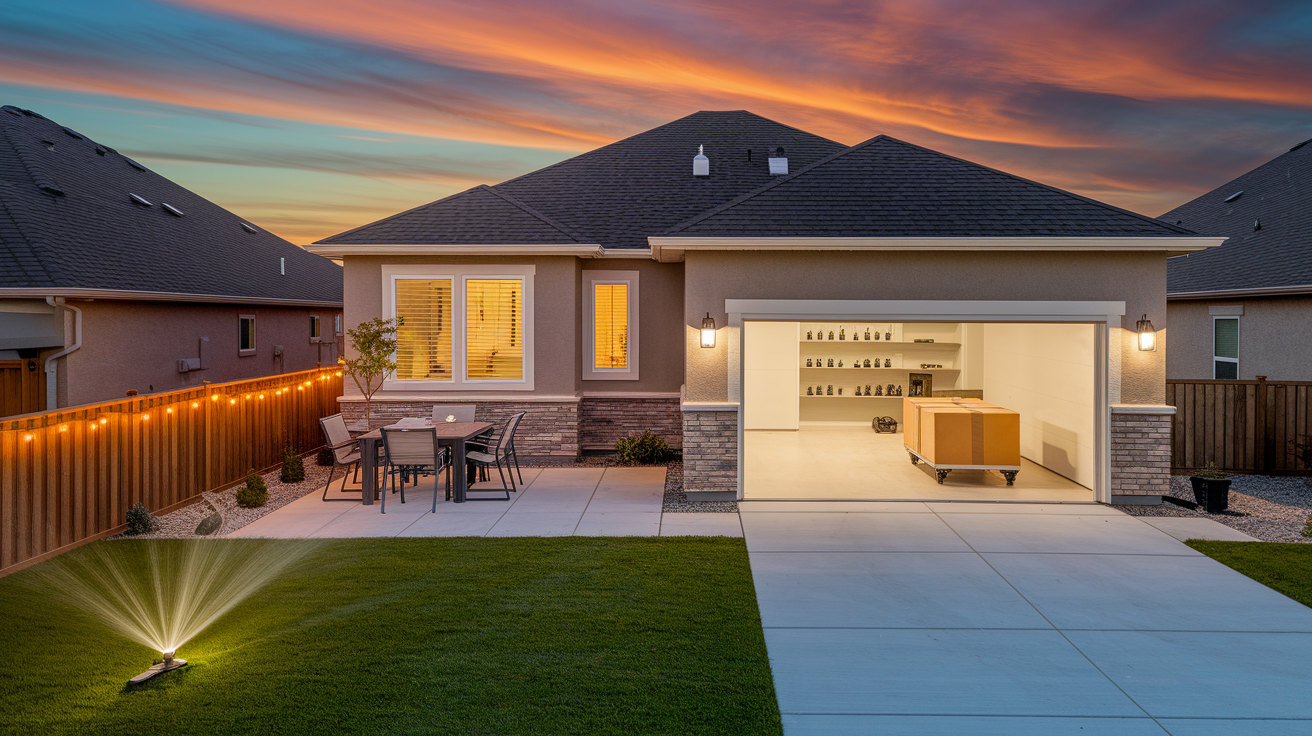
Garage automation now includes phone-controlled openers, in-garage delivery, and sprinkler systems that skip watering when rain’s forecast. Outdoor spaces are easier to manage. The Genie QuietLift Connect connects to Wi-Fi so you can open or close the garage door from your phone or tablet, and it supports Alexa and Google Assistant voice commands. The five-piece snap-together rail system simplifies installation compared to older models that required multiple tools and precise alignment. Amazon Key in-garage delivery now costs $1.99 per delivery outside Amazon Day slots and requires a compatible garage door opener with Aladdin Connect, myQ, or OHD Anywhere app support. Delivery drivers place packages inside your garage instead of leaving them on the porch.
The Chamberlain Smart Garage Hub adds connectivity to garage door openers manufactured after 1993, turning older units into smart devices without replacing the entire opener. The hub monitors whether the door’s open or closed, sends alerts if you leave it open past a set time, and lets you close it remotely from anywhere. The Rachio 3 Smart Sprinkler Controller, priced at $229.99, automatically reschedules watering during forecasted rainfall. That reduces water waste and lowers your utility bill. The controller connects to weather data and adjusts run times based on temperature, humidity, and soil moisture, so your lawn gets the right amount of water without manual intervention.
The Sonos Move 2 is an IP56 weatherproof portable speaker with stereo sound and hands-free Alexa or Sonos assistant control, $449. Govee Lynx Dream Outdoor String Lights feature weatherproof construction with Alexa and Google Assistant control plus Music Sync mode, $99.99. TP-Link Kasa EP40A Outdoor Plug has weatherproof design with 2 independently controlled outlets, $22.99. Anker Nebula Mars 3 is a portable outdoor projector with excellent audio and rugged design, $1,049.99.
Outdoor entertainment devices like the Sonos Move 2 and Govee Lynx Dream String Lights extend your living space into the backyard with weatherproof construction and voice control. The Sonos Move 2, priced at $449, delivers stereo sound with an IP56 weatherproof rating. You can leave it outside during a light rain without worry. The Govee Lynx Dream Outdoor String Lights, priced at $99.99, sync lighting effects to music and respond to Alexa or Google Assistant commands. That creates dynamic backyard ambiance for gatherings. The TP-Link Kasa EP40A Outdoor Plug, priced at $22.99, features two independently controlled outlets that let you schedule lights, fountains, or other outdoor devices separately. The weatherproof housing protects the plug from rain and snow.
Smart Home Hubs and Ecosystems Powering the Coolest Tech

Smart home hubs unify devices from different brands into a single control system. That eliminates the need to juggle multiple apps and incompatible ecosystems. The Samsung SmartThings Station supports Wi-Fi, Zigbee, and Thread with Matter certification, acting as a central controller for lights, locks, sensors, and cameras. The hub includes an integrated wireless charging pad, so it doubles as a phone charger on your nightstand or desk. The main limitation is the lack of a Z-Wave radio. That means older Z-Wave devices won’t connect. The hub requires a broadband connection to function. If your internet goes down, so does your smart home control.
The Amazon Echo Hub supports Wi-Fi, Matter, Zigbee, Thread, Bluetooth LE Mesh, and Sidewalk. It covers nearly every major smart home protocol in one device. The hub’s designed for wall mounting with a built-in touchscreen display and supports Power over Ethernet, so you only need to run one cable for both power and network connectivity. The Echo Hub responds only to Alexa voice commands and integrates tightly with Ring security devices, making it the best fit for users who already rely on Alexa and want centralized control of cameras, doorbells, and alarm systems. The lack of a desktop stand means you’ll need to mount it or find a third-party stand.
The Ikea Dirigera, priced at $109, emphasizes beginner-friendly setup with an app that guides you through each step without assuming prior smart home knowledge. A firmware update activated Matter bridge functionality and Thread border-router capability. That lets the hub connect both Matter-certified devices and older Ikea smart products. The Dirigera must be hardwired to your router, limiting placement options. It lacks Z-Wave support, battery backup, and cellular backup. The feature set’s simpler than advanced hubs, but the ease of use makes it a strong choice for first-time smart home buyers who want reliable automation without a steep learning curve.
Hubs like the Hubitat Elevation model C7 and Homey Bridge appeal to enthusiasts who want local control and deeper customization. Hubitat supports Matter and operates without requiring an internet connection. Automations continue running even if your broadband goes down. The learning curve’s steeper, and setup requires more technical knowledge, but the payoff is a system you control completely. The Homey Bridge supports Wi-Fi, Zigbee, Z-Wave, Bluetooth, 433MHz, and infrared. It covers more protocols than almost any other hub. But the free tier limits you to 5 devices unless you subscribe. Both hubs reward users who invest time in learning the platform with automation capabilities that simpler hubs can’t match.
| Hub | Protocols Supported |
|---|---|
| Samsung SmartThings Station | Wi-Fi, Zigbee, Thread, Matter |
| Amazon Echo Hub | Wi-Fi, Matter, Zigbee, Thread, Bluetooth LE Mesh, Sidewalk |
| Ikea Dirigera | Wi-Fi, Thread, Matter |
| Homey Bridge | Wi-Fi, Zigbee, Z-Wave, Bluetooth, 433MHz, Infrared |
Automation Ideas and Advanced Routines Using the Coolest Smart Home Technology

Practical automation routines eliminate repetitive tasks by triggering multiple actions with a single event. Unlocking the front door turns on the entryway lights, disarms the security system, and adjusts the thermostat. A “good morning” routine can gradually brighten bedroom lights over ten minutes, start the coffee maker, announce the weather forecast, and unlock the front door for a morning jog. All triggered when you dismiss your alarm. A “movie time” routine dims the living room lights, lowers the smart blinds, switches the TV to your streaming app, and adjusts the thermostat a degree cooler so the room stays comfortable during a two-hour film. These routines run automatically once you set them up. No need to control each device individually.
Advanced automation uses presence detection, temperature sensors, and AI-driven triggers to create routines that adapt without manual input. The Hisense CanvasTV automatically turns itself off after 15 minutes if no one’s detected in the room. That saves energy without requiring you to remember to grab the remote. The TP-Link Kasa HS300 power strip supports IFTTT, letting you create custom automations like “if the outdoor temperature drops below 50 degrees, turn on the patio heater outlet.” Smart beds and thermostats use temperature-based routines to warm your mattress before bedtime in winter and pre-cool the bedroom in summer. The room’s comfortable the moment you walk in. Robot vacuums with AI routines detect high-traffic areas and increase cleaning frequency in the kitchen and entryway while skipping rooms that stay clean.
Departure routine locks all doors, arms the security system, turns off lights, and sets the thermostat to eco mode when the last person leaves. Arrival routine unlocks the front door, disarms the alarm, turns on entryway and kitchen lights, and adjusts the thermostat when you arrive home. Bedtime routine locks doors, turns off all lights except nightlights, lowers bedroom temperature, and sets the alarm system to stay mode. Wake-up routine gradually brightens bedroom lights, starts the coffee maker, announces weather and calendar, and unlocks the front door. Party mode adjusts all smart lights to preset colors, increases speaker volume, and disables motion-triggered security alerts. Rainy day routine cancels sprinkler schedules, closes smart blinds, and turns on indoor humidity monitoring when rain’s detected.
Voice control routines let you trigger complex scenes without opening an app or setting a schedule. Saying “Alexa, start dinner” can turn on kitchen lights, preheat the oven to 375 degrees, display a recipe on the Echo Show, and start a 30-minute timer. Saying “Hey Google, I’m leaving” can lock the doors, turn off all lights, arm the security system, and set the thermostat to away mode in one command. These routines stack actions that would otherwise require multiple steps, turning everyday tasks into single-phrase automations.
Smart Home Privacy, Security, and Device Protection
Cloud-dependent hubs create privacy risks and reliability problems because they send your commands and sensor data to remote servers before executing actions in your home. If your internet connection drops, cloud-based devices stop responding until service returns. You can’t unlock doors, adjust thermostats, or check cameras. Local-control hubs like the Hubitat Elevation maintain operation during outages by processing automations on the device itself. Your routines continue running even when broadband fails. Battery backup’s recommended for hubs that control security sensors. Without backup power, a tripped breaker or power outage disables your alarm system and leaves you unprotected.
Security cameras and video doorbells remain a weak point in smart home privacy because many models aren’t covered by the Matter standard and still rely on proprietary cloud storage. Footage uploaded to a company’s servers can be accessed by employees, law enforcement, or hackers who breach the service. You typically have no control over how long the data’s retained. Local storage options, cameras with microSD slots or network-attached storage integration, keep your footage on devices you control. But they require more setup and don’t offer remote access as easily as cloud solutions. Check whether the camera encrypts footage during upload and whether the company has a history of data breaches before you buy.
Use unique, strong passwords for every device and account. Reusing passwords across smart home devices creates a single point of failure that exposes your entire system. Enable two-factor authentication on all accounts that support it. Even if your password leaks, two-factor authentication blocks unauthorized access. Review device permissions regularly and disable features you don’t use. Many smart devices request microphone, camera, and location access they don’t need. Turning off unused permissions reduces your attack surface.
Final Words
Packed with AI automation, multi-protocol hubs, and devices that actually save time, this guide showed the standout categories: security, living room gear, kitchens, bedrooms, bathrooms, gyms, garages, and automation ideas.
You saw top devices, real price markers, and trends like Matter, Thread, and aesthetic-first designs. Check the lists and examples to match features with your needs—security, comfort, or energy savings.
Build slowly, pick an ecosystem, and test a few items. The coolest smart home technology can make daily life easier and more enjoyable.
FAQ
Q: What are the latest trends in smart home technology?
A: The latest smart home trends in 2026 are wider AI automation, Matter/Thread multi-protocol support, stronger local privacy controls, self-cleaning robots, biometric locks, energy-focused gadgets, aesthetic displays, and smarter kitchen appliances.
Q: What are the smart home trends in 2026?
A: The smart home trends in 2026 include AI-driven routines, cross‑platform compatibility (Matter/Thread), devices built for privacy and local control, energy-saving hardware, and appliances that prioritize design and convenience.
Q: What is the best home smart device?
A: The best home smart device depends on your needs; for most homes, a smart thermostat or a smart display gives the biggest wins in comfort, energy savings, and central control.
Q: What is the most unnecessary smart device ever invented?
A: The most unnecessary smart device often named is the smart toaster, since it adds little practical benefit over a basic toaster while increasing cost, app clutter, and potential failure points.