


Think homeowners insurance always pays to fix a cracked foundation? Think again.
It will sometimes pay, but only when a sudden, covered event caused the damage—not for normal settling, slow leaks, or missed maintenance.
A burst pipe that suddenly erodes soil or a falling tree can trigger a claim; long-term sinking, poor drainage, and construction defects won’t.
This post explains how insurers decide, which causes might qualify, and the exact evidence to gather before you file so you’re not surprised by a denial.
When Homeowners Insurance Covers Foundation Repair (Clear Answer First)
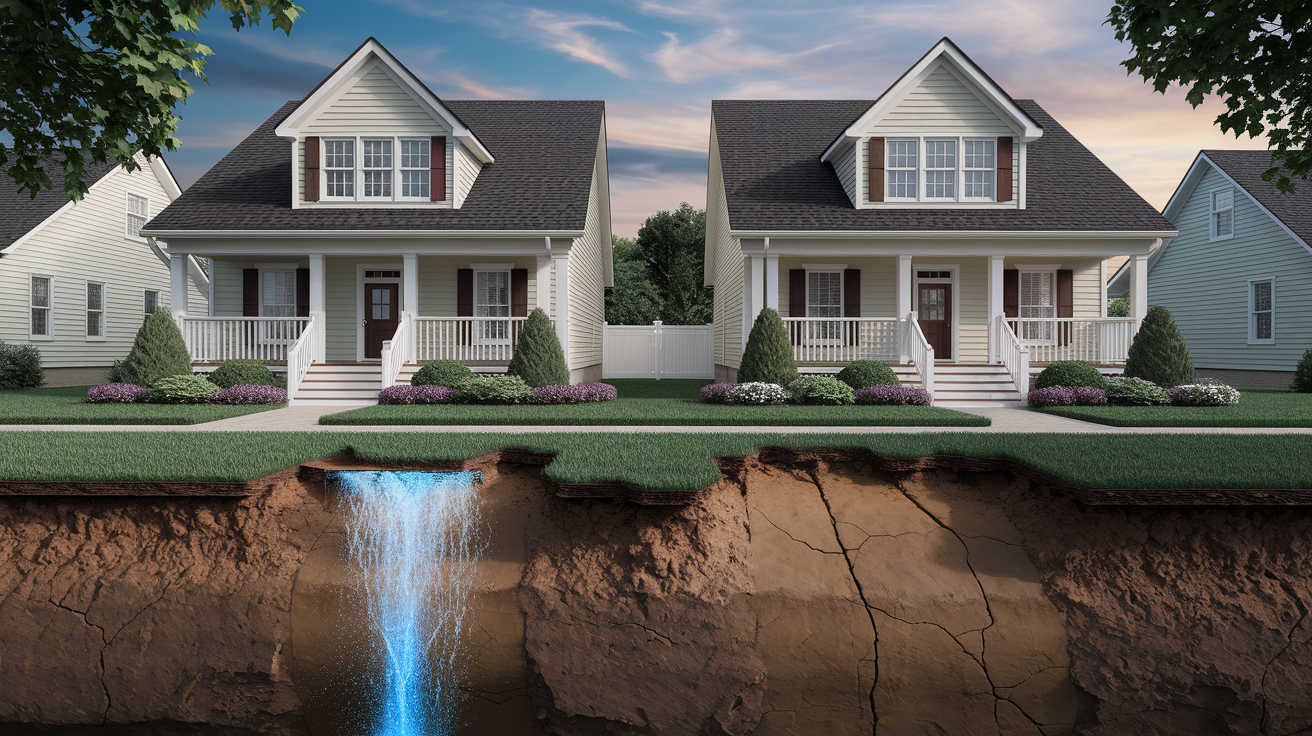
Standard homeowners insurance sometimes covers foundation repair, but there’s a catch. You’re only covered when the damage comes from a sudden and accidental covered peril, not from gradual wear, settling, or skipping basic upkeep. The test is proving that a specific, sudden event directly caused the foundation damage. A burst pipe that floods your basement and undermines the foundation footings might be covered under your policy’s Dwelling Coverage A, as long as the leak was truly sudden and you didn’t ignore that pipe for months. Cracks that slowly widened over the years because your house naturally settled? Every standard homeowners policy excludes that.
Insurers want clear evidence of the peril and a timeline showing the damage was abrupt. You’ll need to show what happened, when it happened, and how it directly harmed your foundation. Dwelling Coverage A pays to repair or rebuild your home’s structure when you meet that threshold. If the adjuster decides the damage was pre-existing, gradual, or maintenance related, the claim gets denied no matter how bad your foundation looks now. Most foundation claims succeed or fail at this line between “covered sudden event” and “excluded long-term problem.”
Covered Perils That May Pay for Foundation Repairs

When a covered peril causes foundation damage, the insurer will pay to repair or stabilize the structure, subject to your policy deductible and limits. Covered perils typically include fire and explosion, which can destroy load-bearing walls and compromise foundation integrity. Severe weather events like tornadoes, windstorms, and hail may drive debris into the home or shift the structure violently. Direct physical impacts qualify too, such as a vehicle crashing into your house or a tree falling onto the structure and cracking the foundation. Vandalism, riots, and even falling objects like a neighbor’s crane accident can qualify if they cause sudden structural harm.
The insurer will send an adjuster to verify that the peril listed in your policy directly caused the foundation damage. They’ll look for a clear sequence. The event occurred, the foundation was damaged as a direct result, and the damage wasn’t present before. For windstorm or tornado claims, expect the adjuster to examine debris patterns, roof damage, and whether foundation cracks align with wind direction. For vehicle impact claims, police reports and photos of tire marks or structural displacement are key evidence. The burden of proof is always on you to demonstrate the causal link.
Typical covered perils that may trigger foundation repair coverage:
- Fire, explosion, or lightning strike that damages load-bearing walls or the foundation itself
- Tornado, windstorm, or hail causing sudden structural displacement or debris impact
- Vehicle or aircraft impact directly striking the home
- Vandalism, malicious mischief, or riot damage to the structure
- Falling objects such as trees, construction equipment, or neighboring structures
- Sudden plumbing failures that undermine foundation footings
Sudden Plumbing Failures
A burst pipe or sudden plumbing failure is one of the most common foundation related claims, and also one of the most scrutinized. Insurers will approve claims when a pipe breaks abruptly, for example, during a hard freeze when you maintained heat in the home, and the escaping water erodes soil beneath a slab or basement wall. They’ll deny the claim if evidence shows the pipe had been leaking slowly for weeks or months, or if the damage occurred in a vacant home where you failed to maintain heat during winter. The difference turns on whether the failure was sudden (covered) or the result of neglect or gradual deterioration (excluded). Always photograph the broken pipe, the water damage, and the timeline of discovery. If the adjuster finds rust, corrosion, or long-term moisture stains around the failed pipe, expect a denial based on wear and tear or maintenance failure.
When Homeowners Insurance Won’t Cover Foundation Repair

Most foundation problems fall into excluded categories. Understanding these exclusions will save you time and frustration when deciding whether to file a claim. Settling and normal wear and tear are excluded under every standard policy. Houses naturally settle over time as soil compacts and shifts. Small cracks and minor movement are considered ordinary and expected. If your foundation has been slowly sinking or developing hairline cracks over the past decade, no insurer will pay for repair. Poor maintenance and construction defects are also excluded. If you failed to maintain proper drainage, allowed gutters to overflow for years, or bought a home with a poorly poured foundation, you own the cost of repair.
Earth movement and flood damage require separate coverage. Standard homeowners policies explicitly exclude earthquakes, landslides, sinkholes (in most states), and any foundation damage caused by shifting soil, subsidence, or expansive clay. Flood insurance through the National Flood Insurance Program (NFIP) or a private carrier is required if you want protection against washout or mudflow. Tree roots, termites, and pest related damage are also excluded. If roots from your oak tree crack the foundation or termites weaken supporting beams, you’ll pay out of pocket. Long-term leaks from plumbing, roof, or grading issues are denied because they signal neglect rather than a sudden accident.
Typical exclusions that leave you responsible for foundation repair costs:
- Settling, shrinkage, expansion, or normal wear and deterioration over time
- Poor drainage, grading failures, or neglected gutter maintenance
- Construction defects, faulty design, or workmanship present when the home was built
- Earth movement including earthquakes, sinkholes, landslides, and soil subsidence
- Flood, surface water, mudflow, or water that backs up through sewers (unless endorsed)
How Your Policy Type Impacts Foundation Coverage

The structure of your homeowners policy determines which perils are covered and which are excluded by default. An HO-3 policy, the most common form, covers your dwelling on a named perils basis. That means only the events specifically listed in the policy can trigger a claim. Foundation damage is covered only if one of those named perils caused it. An HO-5 policy uses open perils (all risk) coverage for the dwelling, which means any cause of loss is covered unless it’s explicitly excluded. That sounds broader, but in practice HO-5 policies still exclude earth movement, flood, wear and tear, and maintenance issues, so most foundation problems remain uncovered regardless of policy type.
Your deductible and the valuation method (Actual Cash Value vs. Replacement Cost) also shape what you receive. Deductibles commonly range from $500 to $2,000, and you pay that amount before the insurer pays a dollar. If your foundation repair costs $3,000 and your deductible is $1,000, you’ll receive $2,000. Actual Cash Value (ACV) policies subtract depreciation from the payout. If your 20 year old foundation materials have depreciated significantly, the check will be smaller. Replacement Cost policies pay the full cost to repair or replace with new materials, but only if the damage qualifies and your policy includes that endorsement.
| Policy Type | Coverage Style | Notable Limitations |
|---|---|---|
| HO-3 | Named perils for dwelling | Only listed perils covered; earth movement, flood, wear/tear excluded |
| HO-5 | Open perils (all-risk) for dwelling | Broader, but still excludes earth movement, flood, maintenance, defects |
| HO-2 | Named perils (fewer than HO-3) | More limited peril list; foundation claims rare |
Filing a Foundation Repair Insurance Claim

Filing a foundation claim starts the moment you discover damage and suspect a covered peril caused it. Report the damage to your insurer as soon as possible. Delays can hurt your claim if the insurer argues you failed to mitigate further damage or that the problem is older than you claim. Take timestamped photos of every crack, bulge, and misalignment. Photograph the suspected cause (the burst pipe, the fallen tree, the vehicle impact) and the surrounding area. If you have any photos of the foundation from before the event, include those to demonstrate the damage is new.
Hire a licensed structural engineer to inspect the damage and produce a written report. This typically costs $300 to $1,000 and it’s money well spent. Adjusters rely heavily on engineer findings to determine cause and severity. Get at least one contractor estimate for the repair work, and keep receipts for any emergency repairs you make to stop ongoing water intrusion or stabilize the structure. Gather your maintenance records. Receipts for gutter cleaning, grading work, or prior foundation inspections help counter any claim that you neglected upkeep. Submit all of this documentation with your claim.
Steps to file a foundation repair claim:
- Review your policy to confirm the suspected peril is listed and foundation damage is covered under Dwelling Coverage A.
- Report the claim to your insurer immediately, providing the date, time, and suspected cause of damage.
- Document the damage with high resolution photos and videos, including close-ups of cracks and wide shots showing the home’s context.
- Hire a structural engineer to inspect and provide a written report diagnosing the cause and recommended repairs.
- Obtain written repair estimates from at least one licensed foundation contractor.
- Make temporary repairs to prevent further damage (tarp a broken wall, shut off leaking water) and keep all receipts.
Engineer Reports and Adjuster Findings
Insurers place significant weight on structural engineer reports because they provide an independent, technical assessment of what caused the damage. The engineer will examine soil conditions, drainage patterns, crack orientation, and the timeline of movement to determine whether the damage was sudden or gradual. If the engineer concludes the foundation shifted due to long-term settling or poor soil compaction, the insurer will deny the claim. If the engineer attributes the damage to a sudden plumbing failure or a covered weather event, your claim has a strong foundation. Adjuster findings often align closely with the engineer’s report, so presenting a clear, professional engineering assessment early in the process increases approval odds and speeds the claim.
Foundation Repair Costs and Insurance Payout Expectations

Foundation repair costs vary widely depending on the type and severity of damage. Small cosmetic crack repairs or minor patching may cost $500 to $2,000 and are often inexpensive enough that paying out of pocket makes sense, especially if the damage is excluded or your deductible is close to the repair cost. Moderate repairs, such as underpinning a section of wall, installing drainage corrections, or stabilizing a settling corner, typically run $2,000 to $10,000. Major structural work, including full foundation replacement, piering, or extensive excavation and stabilization, can exceed $100,000 for large homes or complex soil conditions.
When a claim is approved, the insurer will pay the covered repair cost minus your deductible. If your policy is written on an Actual Cash Value basis, the payout will be reduced by depreciation. The insurer subtracts value for the age and condition of the damaged materials. For example, a 25 year old concrete foundation wall may be depreciated significantly, leaving you with a smaller check than the contractor’s estimate. Replacement Cost policies pay the full cost to repair or replace with new materials, but you must complete the work and submit final receipts to receive the full payout. Many insurers issue an initial ACV payment and then release the recoverable depreciation after you prove the repairs are done.
| Repair Type | Typical Cost Range | Insurance Considerations |
|---|---|---|
| Small crack sealing or cosmetic patch | $500–$2,000 | Often below deductible; rarely claimed |
| Moderate underpinning or drainage repair | $2,000–$10,000 | Covered if sudden peril caused it; deductible applies |
| Major piering, stabilization, or replacement | $10,000–$100,000+ | Large claims require engineer reports; depreciation may apply |
| Structural engineer inspection/report | $300–$1,000 | Out of pocket; often required to support claim |
Additional Coverage Options for Foundation Related Risks

Standard homeowners insurance excludes several common causes of foundation damage, but you can close those gaps with endorsements or separate policies. Flood insurance is required if you want coverage for foundation washout, mudflow, or water intrusion from surface flooding. Standard policies don’t cover this. The National Flood Insurance Program (NFIP) and private flood carriers offer policies that cover structural damage, including foundations, caused by rising water. Earthquake insurance is available as an endorsement in most states or as a standalone policy from specialty carriers. Earthquake policies typically carry high deductibles, often 10% to 20% of your dwelling limit. So a $300,000 home might have a $30,000 to $60,000 earthquake deductible.
Water backup and sewer overflow endorsements cost roughly $25 to $200 per year and cover foundation damage caused by water or sewage backing up through drains, which is excluded under standard coverage. Service line coverage endorsements pay to repair underground water, sewer, or utility lines that fail and cause foundation problems. Some states, such as Florida, require insurers to offer catastrophic ground cover collapse (sinkhole) coverage. In other states you must specifically request it. A handful of insurers in high risk markets offer foundation specific endorsements or warranties, but availability is limited and premiums can be high.
Endorsements and separate policies to consider for foundation related risks:
- NFIP or private flood insurance for foundation washout, mudflow, or surface water damage
- Earthquake endorsement or standalone earthquake policy for seismic foundation damage
- Water backup and sewer overflow endorsement for drain related foundation intrusion
- Service line coverage for underground utility line failures that affect the foundation
- Catastrophic ground cover collapse (sinkhole) coverage in states that require or offer it
Real Examples of Approved and Denied Foundation Claims

Understanding how real claims play out will help you gauge whether your situation is likely to be covered. These examples come from common adjuster findings and claim outcomes.
Real-world foundation claim scenarios:
-
Approved: Burst pipe during hard freeze. A homeowner maintained heat in the home during a winter freeze, but an interior supply line burst overnight. Water flooded the basement, eroding soil beneath the foundation footing and causing a section of the wall to crack and shift. The insurer paid for foundation stabilization and repair minus the deductible because the pipe failure was sudden and the homeowner had maintained the property.
-
Denied: Gradual settling over many years. A homeowner noticed widening cracks in the foundation and uneven floors. The structural engineer’s report concluded the damage resulted from natural soil settling and long-term compaction over 15 years. The insurer denied the claim because settling, wear, and gradual deterioration are excluded under all standard policies.
-
Denied: Flood washout after heavy rain. A homeowner filed a claim after heavy rain caused a nearby creek to overflow, washing out soil beneath the foundation and causing a section to collapse. The insurer denied the claim because flood and surface water damage are excluded. The homeowner didn’t carry separate flood insurance.
-
Denied: Earthquake cracks. A homeowner in a seismically active area filed a claim after an earthquake caused vertical cracks in the foundation walls. The insurer denied the claim because earth movement and earthquake damage are explicitly excluded. The homeowner hadn’t purchased an earthquake endorsement.
Preventing Foundation Problems and Reducing Claim Risks

Preventing foundation damage reduces the chance you’ll ever need to file a claim and strengthens your case if you do. Proper drainage is the single most important factor. Water pooling near your foundation causes soil expansion, erosion, and hydrostatic pressure that cracks walls and shifts footings. Maintain a grading slope of at least 3% away from your foundation across the first 10 feet. Clean gutters and downspouts regularly and use downspout extensions to carry water at least 5 to 10 feet from the house. In dry climates, use a soaker hose around the perimeter during prolonged dry spells to prevent soil from shrinking and pulling away from the foundation.
Manage tree roots by consulting a landscape professional and installing root barriers if large trees are near your foundation. Seal small cracks promptly. Minor crack sealing is inexpensive and prevents water intrusion that can worsen damage. Inspect crawlspaces for moisture, mold, and pest activity, and ensure proper ventilation and a vapor barrier. Schedule a professional foundation inspection every few years, especially if you live in an area with expansive soils, high water tables, or seismic activity. Document all maintenance work with receipts and photos. This record becomes critical evidence if an insurer questions whether you maintained your property.
Early Warning Signs to Track
Catching foundation problems early lets you address them before they become severe and helps you prove the damage is new if you need to file a claim. Watch for doors and windows that suddenly stick, close unevenly, or show gaps at the frame. This suggests the house is shifting. Look for new or widening cracks in interior walls, especially diagonal or stair-step patterns in brick or block. Check for sloping or uneven floors by rolling a marble or ball across the room. Inspect for moisture, standing water, or pooling in the basement or around the perimeter. Any of these signs warrants a call to a foundation specialist and, if a sudden event caused the damage, a prompt report to your insurer.
Preventive maintenance habits to reduce foundation damage risk:
- Maintain proper grading with a 3% slope away from the foundation across the first 10 feet
- Clean gutters and downspouts seasonally and extend downspouts at least 5 to 10 feet from the house
- Use a soaker hose during dry periods in climates with expansive soils to maintain consistent moisture
- Monitor and manage tree root growth near the foundation; install root barriers if needed
- Seal small foundation cracks promptly to prevent water intrusion and worsening damage
- Inspect crawlspaces regularly for moisture, mold, ventilation problems, and pest activity
Final Words
You now know the quick rule: insurers often pay when a sudden, covered event harms a foundation, but they won’t for slow settling, wear, or poor maintenance.
We walked through covered perils, common exclusions, how policy type and deductibles matter, the claims steps and cost expectations, plus extra endorsements and prevention tips. Document damage fast, get an engineer’s report when needed, and keep maintenance records.
So, does homeowners insurance cover foundation repair? Sometimes—when you can prove a sudden covered peril. Check your policy, act promptly, and you’ll be in a stronger position if repairs are needed.
FAQ
Q: Why are foundations not covered by insurance?
A: Foundations are often not covered by insurance because policies exclude gradual damage, maintenance issues, and earth movement; insurers only cover sudden, accidental perils specifically listed in your policy.
Q: What is the 80% rule in homeowners insurance?
A: The 80% rule in homeowners insurance says your policy will pay full replacement cost only if your dwelling coverage equals at least 80% of the home’s replacement value; otherwise payouts may be reduced.
Q: How to get home insurance to pay for foundation repair?
A: To get home insurance to pay for foundation repair, you must prove the damage was caused by a covered, sudden peril—report promptly, document photos, get a structural engineer report, and keep repair estimates and receipts.
Q: What if you can’t afford foundation repair?
A: If you can’t afford foundation repair, consider temporary fixes, seek contractor payment plans, check state or local grant programs, ask insurers for advance payments, or look into loans tied to home equity or disaster assistance.