


Think travel insurance will always cover flight delays? Think again.
Nearly 22% of U.S. flights were late and 1.4% were canceled in 2024, so knowing when your policy actually helps matters.
Many plans do pay for meals, hotels, and taxis — but only after a minimum delay, for causes the insurer accepts, and with receipts and airline proof.
This post explains the delay thresholds, covered reasons, what you can claim, and the quick checks to do before you buy or file a claim.
Understanding When Travel Insurance Covers Flight Delays
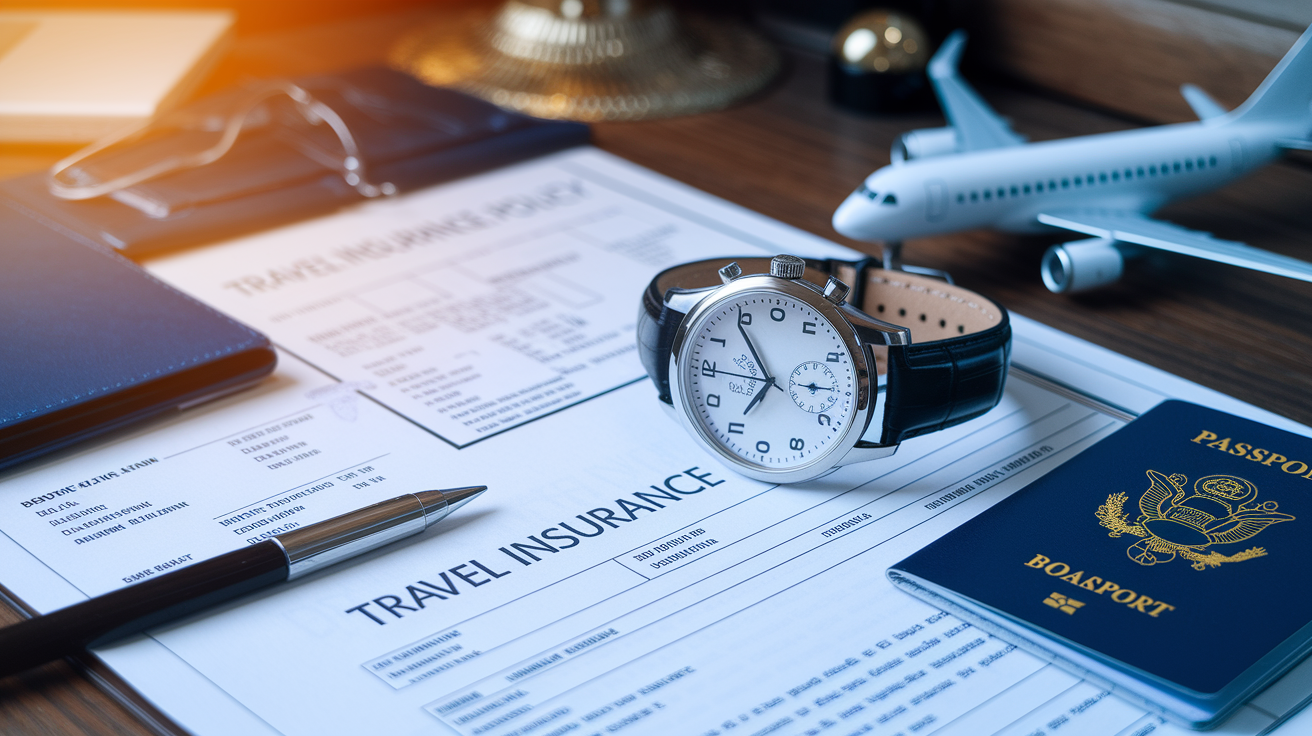
Yes, many travel insurance policies include coverage for flight delays, but only when you meet specific requirements. The policy must be active, the delay must reach a minimum number of hours, and the reason for the delay must fall into a category the insurer considers covered. Nearly 22% of U.S. flights failed to arrive on time and roughly 1.4% were canceled in 2024 according to the U.S. Department of Transportation, so understanding exactly when your policy will help is worth the few minutes it takes to read the fine print.
Most policies set a delay threshold between 3 and 12 hours before any reimbursement kicks in. Budget or basic plans often require a 12 hour delay, while mid tier comprehensive policies commonly activate at 6 hours. If your flight’s delayed by only 3 hours and your policy requires 6, you’ll receive nothing. That threshold is the single most important detail to confirm before you buy.
When the delay meets the minimum hours and stems from a covered cause, the insurer will reimburse you for specific out of pocket expenses like meals, hotel rooms, and ground transportation up to the daily and per trip dollar limits stated in your policy. You file a claim with receipts and supporting documents, and the insurer pays you back for what the airline didn’t cover.
To qualify for flight delay coverage, travelers typically need:
- A delay of at least the minimum hours stated in the policy (commonly 6 or 12 hours)
- Travel on a common carrier such as an airline or scheduled passenger train
- A covered reason for the delay that was beyond their control
- Original receipts and written confirmation from the airline showing the delay reason and times
- Proof that the airline was contacted first and offered no compensation or insufficient compensation for the expenses claimed
Key Conditions That Trigger Flight Delay Coverage in Travel Insurance

Flight delay benefits don’t turn on the moment your departure is pushed back. The policy defines a minimum delay period, and until the clock ticks past that threshold, you’re on your own. A delay of 5 hours and 45 minutes triggers zero reimbursement if the policy requires 6 hours. Basic plans often use a 12 hour minimum, which means short delays are completely uncovered. Mid tier plans commonly use 6 hours, and a handful of premium policies activate after just 3 or 5 hours.
The delay must also be caused by something the policy lists as a covered reason. Weather is almost always covered, but check whether the policy excludes “extraordinary” weather events. Some insurers use that language to deny claims for hurricanes or blizzards announced days in advance. Mechanical breakdowns and crew shortages are typically covered, as are air traffic control disruptions and airport closures. Strikes and labor actions may be excluded outright or capped at a lower reimbursement amount, depending on the insurer.
If you miss your flight because you arrived late to the airport, got stuck in traffic, or simply forgot to check in on time, no travel insurance policy will cover the resulting delay. The cause must be outside your control and fit the policy’s list of eligible events.
Covered Causes Explained
Severe weather such as snowstorms, thunderstorms, or hurricanes that ground flights or cause air traffic delays is typically covered. Mechanical failure or safety inspections that require the airline to delay departure until repairs are completed also qualify. Before takeoff, the crew might discover a fuel pump warning light, delaying you 9 hours while a replacement part gets flown in.
Air traffic control holds or runway closures due to congestion, equipment failure, or security incidents at the airport count as covered events. Crew shortages or scheduling conflicts that prevent the airline from operating the flight as planned are usually included too.
Travel Insurance Expenses Covered During Flight Delays

When a delay crosses the policy’s minimum threshold and meets a covered cause, the insurer will reimburse reasonable out of pocket expenses you incur while waiting. Those expenses fall into a few standard categories, each with its own dollar cap. Most policies list a per day limit, often between $50 and $200 per person, and a separate per incident or per trip maximum that ranges from $200 to $2,000. The lower of those two numbers is what you’ll actually receive.
Some policies pay a fixed benefit regardless of your actual spending. A policy might state “$100 for every 12 hour delay” with no need to submit receipts. More commonly, insurers use actual cost reimbursement. You pay upfront, keep every receipt, and the insurer reimburses up to the stated limit. If your hotel cost $180 and your policy caps reimbursement at $150 per day, you receive $150. If you spent only $90, you receive $90.
Reimbursable items generally include meals, overnight accommodation, local taxis or rideshares to and from the hotel, essential toiletries and a change of clothes if your checked bag is also delayed, phone or internet charges needed to rebook or contact the insurer, and emergency cash advances in some cases. Luxury suite upgrades and champagne dinners aren’t “reasonable” and will be denied.
Common covered expenses:
Meals and non alcoholic beverages purchased during the delay period. Hotel or motel room if the delay requires an overnight stay. Local ground transportation such as taxis, rideshares, or airport shuttles between the airport and hotel. Essential toiletries, underwear, and basic clothing if checked baggage is delayed more than 12 hours. Phone calls, internet access, or mobile data charges needed to contact the airline, insurer, or rebooking service. Prepaid nonrefundable hotel nights or tours at the destination that you missed because the delay caused you to arrive late.
| Expense Type | Typical Limit Range | Notes |
|---|---|---|
| Meals | $20–$75 per day | Itemized receipts required; alcohol often excluded |
| Lodging | $100–$200 per night | Reasonable hotel rate; luxury upgrades denied |
| Ground transport | $30–$100 per incident | Taxis/rideshares to hotel; not rental cars in most policies |
Missed Connections and How They Differ From Standard Flight Delays
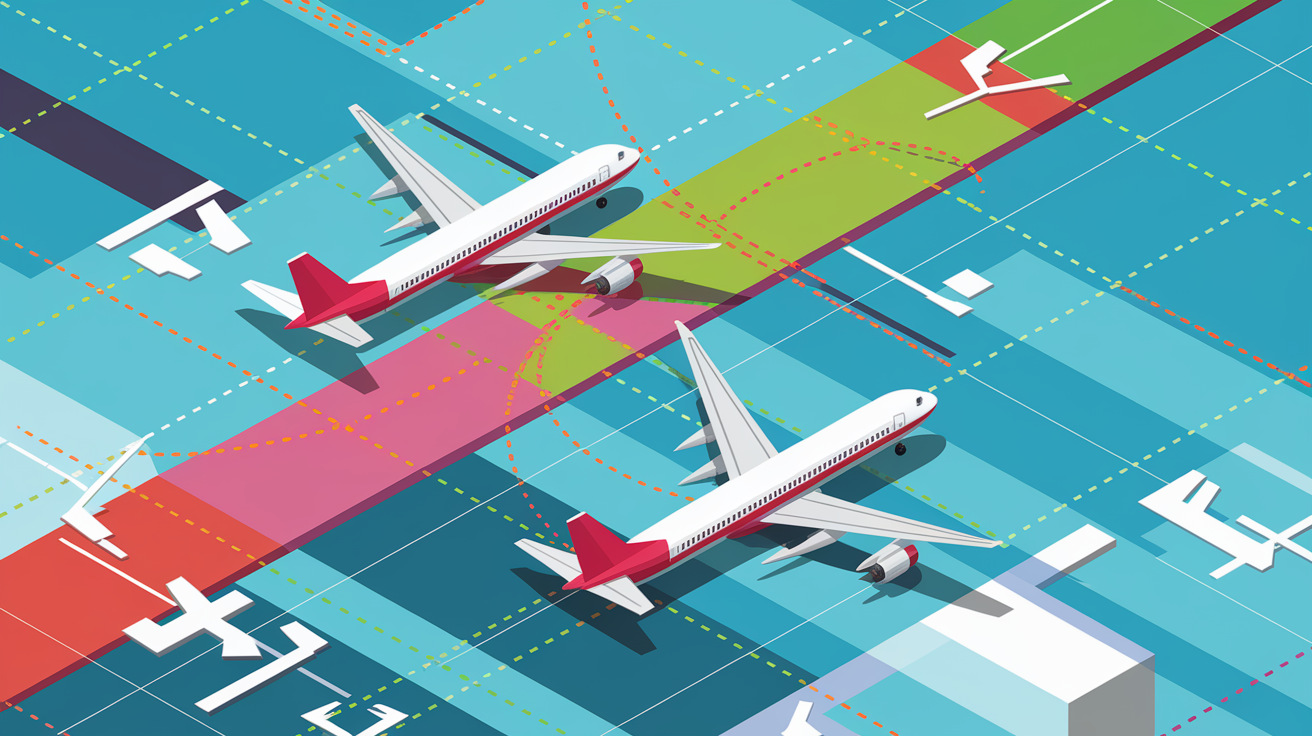
A missed connection happens when a delay on your first flight causes you to miss your second flight, even if the total delay doesn’t reach the policy’s minimum hours. Many policies include a separate missed connection benefit that activates under different rules. If your inbound flight lands 90 minutes late and you miss the connecting flight that was booked on the same ticket, the policy may cover the cost of rebooking, an overnight hotel, and meals. That’s true even though a 90 minute delay wouldn’t trigger standard trip delay coverage.
The key requirement is that both flights must be part of the same itinerary or ticket. If you booked two separate one way tickets on different airlines, the insurer usually considers them independent trips and won’t cover a missed connection between them. Self connecting itineraries are riskier and often excluded from missed connection benefits.
When Missed Connection Coverage Applies
The connecting flights need to be booked on a single ticket or confirmed itinerary issued by the airline or travel agent. The initial delay or cancellation must have been caused by a covered reason such as weather, mechanical failure, or air traffic control. You can’t have caused the missed connection by arriving late to the first flight or voluntarily changing your itinerary.
And the airline must be unable to rebook you on an alternative connection that departs within a reasonable time, forcing an overnight stay or significant additional expense.
Travel Insurance vs Airline Compensation for Flight Delays

Airlines are required by law or their own policies to offer certain assistance during delays, and travel insurance is designed to fill the gaps the airline leaves behind. In the European Union, regulation EU261 requires airlines to provide meals, hotel accommodations, and sometimes cash compensation for delays of three hours or more on covered routes. In the United States, passenger rights protections are weaker. Airlines must offer refunds for significant delays or cancellations but aren’t required to pay for hotels or meals unless their contract of carriage voluntarily promises it.
Most travel insurance policies are secondary to airline compensation. That means you must first ask the airline for meal vouchers, hotel accommodations, or rebooking assistance. If the airline provides a $50 meal voucher and you spend $80 on food, the insurer will reimburse only the remaining $30. If the airline gives you a hotel room at no charge, you can’t submit a hotel receipt to your insurer and expect reimbursement. The insurer will ask for proof that you requested airline assistance and either received nothing or received assistance that didn’t cover all your reasonable expenses.
Some policies require written proof of the airline’s refusal or confirmation that no compensation was offered. Request an email or signed letter from the airline service desk at the airport stating what assistance was provided and what was denied. Without that documentation, your claim may be rejected even if you genuinely spent money out of pocket.
What to expect from airlines:
Airlines typically rebook you on the next available flight at no charge when a delay or cancellation occurs. Many U.S. airlines offer meal vouchers for delays exceeding 3 to 4 hours, though policies vary by carrier and no federal law requires it. International flights covered by EU261 or similar rules may entitle you to cash compensation in addition to meals and hotels. Insurance supplements but doesn’t replace those rights.
Travel insurance covers out of pocket costs the airline didn’t reimburse, such as a hotel when the airline refused to provide one or meals beyond the voucher amount. If the airline declares bankruptcy or stops operating mid trip, standard delay coverage may not apply unless the policy includes specific insolvency protection.
Claim Filing Requirements for Flight Delay Insurance Reimbursement

Filing a delay claim starts the moment the delay is announced. Contact your insurer or the emergency assistance number listed on your policy as soon as you know the delay will exceed the minimum threshold. Some insurers prefer immediate notification and will note the call in your claim file. Others allow you to file after you return home, but calling early confirms eligibility and reminds you which receipts to keep.
Collect written confirmation from the airline before you leave the airport. Walk to the service desk or gate agent and ask for a printed or emailed statement showing your original scheduled departure time, the actual departure time, and the reason for the delay. Many airlines will provide this on request. Some print it automatically on a revised boarding pass or itinerary receipt. If the agent refuses or can’t print it, send yourself an email screenshot of the delay notification from the airline’s app or website, and note the agent’s name and the time you asked. That creates a timestamped record.
Keep every receipt. Pay for meals, hotel, taxis, and essentials with a credit card when possible so you have a second layer of proof in your card statement. Write notes on the back of paper receipts indicating what the expense was for and the date and time. Insurers will deny claims for illegible receipts or missing documentation, even if the expense was clearly related to the delay.
Documents You Must Provide
Boarding passes or e ticket confirmations for the delayed flight showing your original booking. Written confirmation from the airline stating the delay reason, original departure time, and actual departure time. Itemized receipts for all claimed expenses such as meals, hotel charges, ground transportation, and toiletries. Proof of any compensation the airline offered or denied, such as voucher amounts or a written refusal to provide assistance. Your travel insurance policy number, proof of purchase, and a completed claim form supplied by the insurer.
The filing process:
- Contact the insurer via phone or app during the delay or within 24 hours to report the incident and confirm your coverage applies.
- Obtain written delay confirmation from the airline at the airport service desk, via email from customer service, or by saving an official delay notice from the airline’s communication.
- Pay for necessary expenses out of pocket and retain original itemized receipts along with credit card statements showing the charges.
- Submit the claim through the insurer’s online portal or by mail within the timeframe stated in your policy, commonly 14 to 90 days, including all receipts, airline documentation, proof of compensation attempts, and the completed claim form.
Common Reasons Flight Delay Claims Are Denied

Insurers deny delay claims for a handful of recurring reasons, most of which come down to policy thresholds or excluded causes. The most frequent denial is a delay that fell short of the minimum hours. A 5 hour delay triggers no benefit if the policy requires 6 hours, and there’s no partial payment for coming close. Check your policy’s exact threshold before you assume you’re covered.
Another common denial is a delay caused by something you controlled or failed to do. Missing a flight because you arrived late, underestimated security wait times, or chose to take a later flight for personal convenience means the delay was voluntary. No insurer will reimburse expenses that result from your own scheduling choices. Similarly, if you bought a brand new ticket on a different airline without asking the original airline to rebook you, the insurer will argue you created an unnecessary expense and deny the claim.
Common denial reasons:
Delays shorter than the policy’s stated minimum threshold, even by a few minutes. Voluntary changes such as switching to a different flight for convenience or purchasing a new ticket without airline approval. Personal lateness including traffic delays, long security lines, or failure to check in on time. “I missed my 6 a.m. flight because my alarm didn’t go off.”
Events known before the policy was purchased, such as a hurricane forecast issued three days before departure when you bought coverage two days before departure. Extraordinary circumstances or acts of war, terrorism, or civil unrest that some policies explicitly exclude from delay benefits.
Credit Card Travel Delay Benefits Compared to Travel Insurance

Many premium credit cards include automatic travel delay protection when you use the card to pay for airfare. These benefits usually activate after a 6 or 12 hour delay and offer a flat reimbursement, commonly $100 to $500 per person per covered trip, for meals, lodging, toiletries, and ground transportation. The coverage is free, requires no separate policy purchase, and can be a simple fallback for short trips.
Credit card benefits are almost always secondary. If the airline gives you a hotel voucher, the card benefit won’t reimburse you for a hotel room you didn’t pay for. If you hold separate travel insurance and the insurance pays your meal costs, the credit card won’t pay them again. You must exhaust other compensation sources first, then submit the remaining unreimbursed expenses to the card issuer. Documentation requirements are similar: receipts, proof of delay, and confirmation that the flight was purchased on that specific card.
What to know about card benefits:
Credit card delay benefits typically cap reimbursement at $100 to $500 per person per trip, far lower than many purchased travel insurance policies. Coverage applies only when the entire airfare or a substantial portion of the trip cost was charged to the card. Paying with points or a different card often disqualifies you. Benefits are secondary to airline provided compensation and any primary travel insurance you hold. Claims must be filed within the card’s specified window, often 60 to 90 days, and require the same receipts and airline confirmation letters as a standard insurance claim.
Selecting the Right Travel Delay Coverage for Your Trip
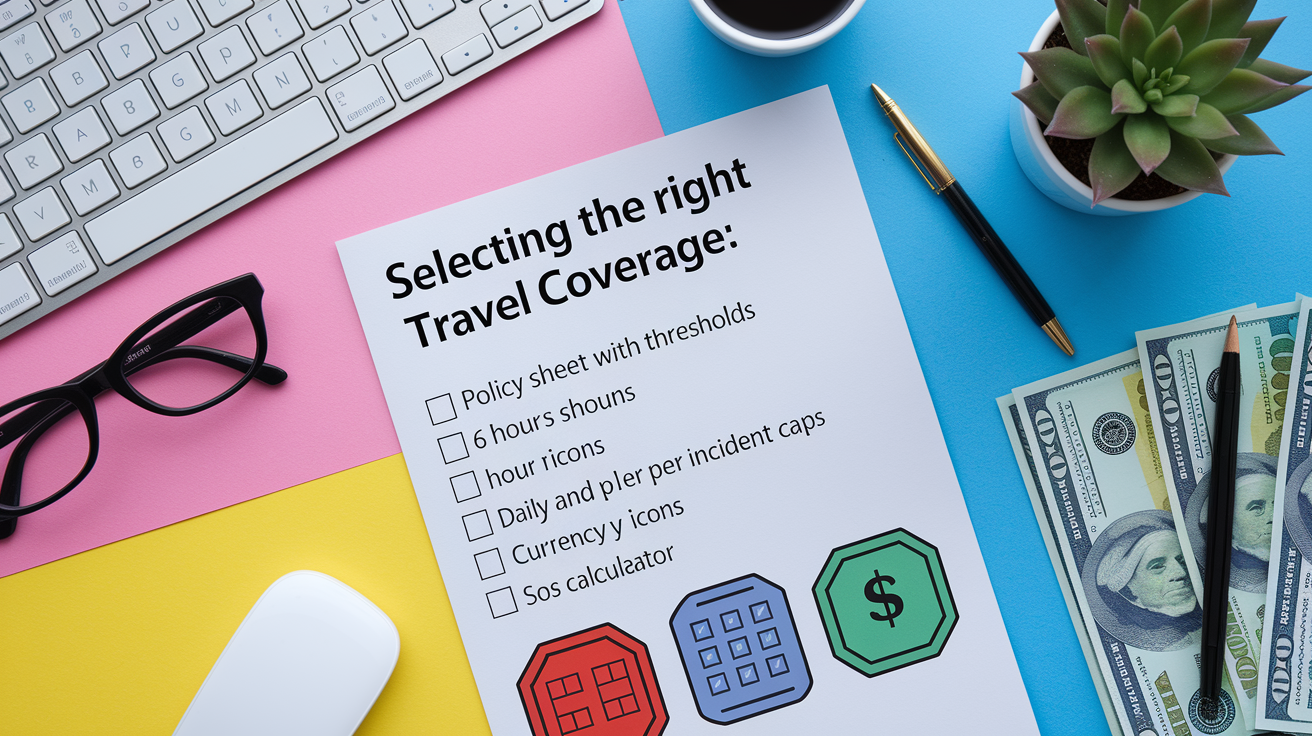
Start by deciding what delay scenario worries you most. If you’re concerned about any delay forcing an overnight stay, look for a policy with a 6 hour threshold and a per incident maximum of at least $500. If you want protection against shorter delays that might cost you a meal and a taxi, choose a policy that activates at 3 hours. Policies that require 12 hours will do nothing for the majority of flight delays, which tend to resolve in 6 to 10 hours.
Compare the daily benefit and the per incident cap. A policy might advertise “$200 per day” but also impose a per trip maximum of $400, meaning you can claim only two days no matter how long the delay lasts. If your trip involves international connections and the risk of multi day delays, confirm that the per incident cap is high enough to cover realistic hotel and meal costs in the destination city. A $200 daily benefit is generous in many U.S. cities but may fall short in expensive international hubs.
Travel insurance that includes strong delay coverage typically costs 4% to 8% of your total trip cost. A $3,000 trip might add $120 to $240 in premium for a comprehensive policy that bundles delay, cancellation, interruption, and medical coverage. Standalone delay only products are rare. Delay benefits are almost always part of a broader package. If you’re a frequent traveler, consider an annual multi trip policy and confirm the per trip delay limits.
What to Look For When Comparing Policies
A delay threshold of 6 hours or less if you want coverage for common delays. 3 hour thresholds are better but less common and may cost more. A per day benefit of at least $150 and a per incident or per trip maximum of $500 or higher to cover realistic overnight hotel and meal costs.
Clear language about covered causes. Confirm that weather, mechanical failure, crew issues, and air traffic delays are all included without carve outs for “extraordinary” events. Secondary coverage rules and whether the policy requires proof of airline compensation attempts or allows you to file immediately for out of pocket costs. Add ons such as “cancel for any reason” riders, which provide partial trip cost refunds but don’t increase delay reimbursement limits.
Final Words
If your flight is stranded and you need to eat, sleep, or rebook, travel insurance may step in, but only when the policy’s delay threshold and covered reasons are met.
We covered typical wait times (often 3–12 hours), common causes insurers accept, what expenses can be reimbursed, and the receipts and airline confirmations you’ll need to file a claim.
If you’re asking does travel insurance cover flight delays, the short answer is sometimes. Read your policy, confirm triggers and limits, and you’ll be better prepared.
FAQ
Q: Does travel insurance compensate for flight delays?
A: Travel insurance compensates for flight delays when your policy’s delay threshold and covered reasons are met, reimbursing eligible out-of-pocket costs like meals, lodging, and transport up to your policy limits.
Q: Can I claim travel insurance for flight delay?
A: You can claim travel insurance for a flight delay if the delay meets the policy’s minimum hours and you submit boarding passes, receipts, and the airline’s delay confirmation showing you sought airline compensation first.