


What if your house knew your routine better than you do?
Smart home tech already turns chores into background tasks that happen without thinking.
That quiet convenience adds up: fewer small stresses, hours saved every week, lower bills, and faster help when something goes wrong.
It also makes homes safer and more livable for people who struggle with mobility or memory.
This post shows how automation, energy smarts, security, and accessibility features will change daily life, often in small, life-shifting ways.
Modern Daily Life Improvements Through Smart Home Technology

Smart home tech turns everyday tasks into things that just happen. No buttons, no second thoughts. Connected devices pick up on how you live and handle the repetitive stuff automatically. Your thermostat figures out when you’re home and adjusts temps without being asked. Lights kick on when you walk into a room and dial down when there’s enough sun coming through the windows. Voice assistants set timers, add milk to your shopping list, and answer questions while you’re elbow deep in dinner prep. It all runs quietly in the background so you can actually focus on what matters.
The real impact? It’s in the small wins that stack up. Smart locks mean you’re not digging through your bag for keys or lying awake wondering if you locked the door. Coffee starts brewing right when you wake up. Blinds open slowly to ease you into the day instead of blasting you with light. Your robot vacuum runs while you’re at work, and the dishwasher fires up overnight when electricity’s cheaper. You get a ping when the kids get home, when a package arrives, or if there’s a leak under the sink. These tiny improvements add up to hours saved every week and a lot less stress.
Home hubs tie everything together so one voice command or phone tap can trigger a whole sequence. Say “Goodnight” and your doors lock, lights go off, thermostat drops, and cameras turn on. Hit “Movie Mode” and the blinds close, lights dim, and speakers adjust without you touching a thing. The tech just removes friction by anticipating what you need and doing it faster than you could manually.
Daily tasks that smart homes handle automatically:
- Coffee ready at your usual wake time
- Rooms preheated or cooled before you arrive
- Lights that adjust based on time and whether anyone’s around
- Appliances running when electricity costs less
- Security arming and disarming based on where you are
Energy Efficiency and Cost Savings Through Automation
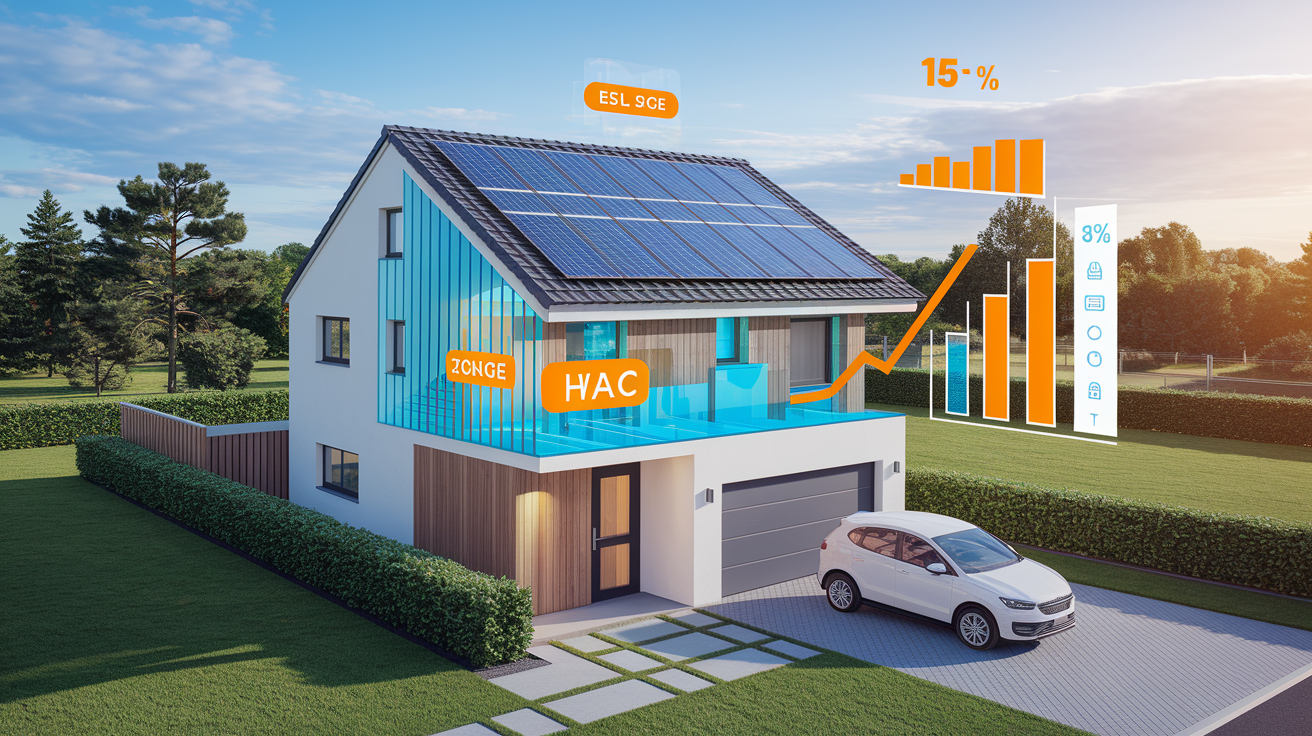
Smart systems cut waste by matching energy use to actual need instead of guessing or running everything nonstop. Smart thermostats track which rooms you’re using, learn your schedule, and stop heating or cooling empty spaces. Lights with motion sensors or daylight detection shut off when no one’s there or when the sun’s doing the job. Energy dashboards show you what each appliance costs to run, making it obvious which devices are quietly draining your wallet. Most people see utility bills drop 10 to 20% in the first year.
Automation gets precise in ways manual control can’t. A smart sprinkler checks the weather and soil moisture before watering your lawn, so you’re not flooding grass that’s already wet. Smart plugs kill phantom power by fully disconnecting idle electronics instead of leaving them in standby. Programmable appliances shift laundry and dishes to late night when rates are lowest. Set it once, and the savings keep coming. Real time feedback changes habits too. When you see exactly what that space heater or ancient fridge costs per day, you’ll make faster calls about replacing it or cutting back.
| Device Type | Energy Impact | Typical Savings |
|---|---|---|
| Smart Thermostat | Learns occupancy patterns; adjusts heating/cooling schedules | 10–15% reduction in HVAC costs |
| Smart Lighting | Motion sensors and daylight dimming reduce unnecessary usage | 5–10% lower electricity consumption |
| Smart Plugs | Eliminates phantom power draw from idle electronics | $50–$100 annually per household |
| Energy Monitoring Systems | Real-time appliance-level tracking identifies inefficiencies | Behavioral changes yield 5–12% total utility savings |
Enhanced Home Security and Safety Innovations

Smart security gives you real time awareness that old school locks and alarms can’t touch. Connected cameras stream live video to your phone from anywhere, so you can see if that’s the Amazon driver, your neighbor, or someone you don’t recognize. Motion alerts hit your phone the second there’s activity in the driveway, backyard, or front step. You’ve got seconds to check and decide what to do. Video doorbells let you see who’s there and talk to them without opening the door. These systems turn dumb barriers into active monitors that react to what’s actually happening.
Smart locks kill the weak points of physical keys and give you way more control. You can create temporary codes for guests, contractors, or the dog walker that expire automatically. No more chasing down spare keys or changing locks when someone moves out. Geofencing locks your doors when you leave a set area and unlocks them as you get close, so you’re not accidentally leaving the house wide open. Tie it into your lights and alarm, and one suspicious motion can flood your yard with light, sound a siren, and send footage to monitoring all at once.
Sensors catch hazards before they turn into disasters. Water leak detectors near your washing machine, water heater, and under sinks alert you the instant they sense moisture. That’s thousands saved in flood damage. Smoke and carbon monoxide detectors linked to your hub notify you even when you’re out of town and can shut off HVAC to stop smoke from spreading. Glass break sensors and door contacts add layers that work even if cameras get blocked. Your home stops waiting for you to notice problems and starts protecting itself.
Accessibility and Independent Living Support
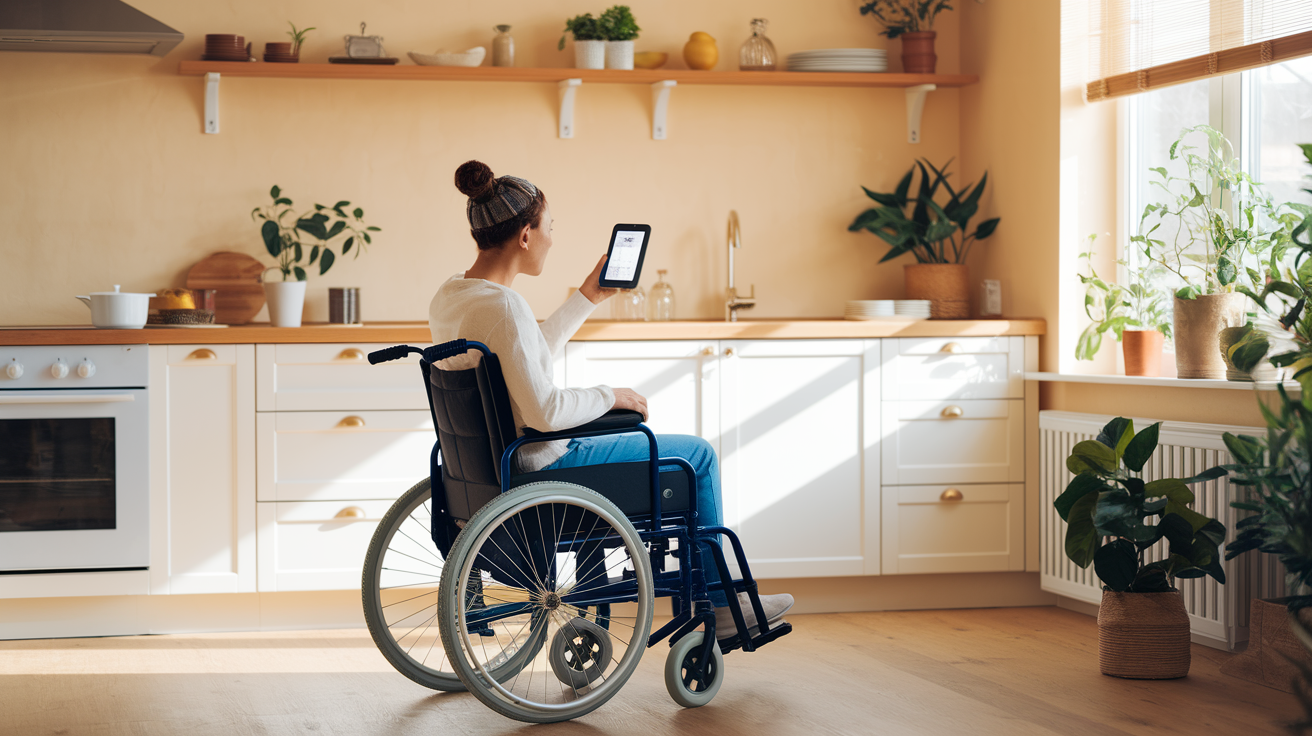
Smart devices remove barriers that make daily life harder for elderly folks and people with disabilities. Voice control lets you adjust lights, temp, and TV without standing, reaching, or fiddling with tiny switches. Automated locks and motorized blinds cut out the need to grip, twist, or pull. Tasks that hurt or become impossible with arthritis, limited mobility, or nerve issues. Hands free operation extends to appliances. Tell your microwave to start, your oven to preheat, or your coffee maker to brew. Someone in a wheelchair or with reduced hand function can handle meal prep without help.
Fall detection sensors and wearable emergency buttons tie into smart hubs to get help fast. When a fall happens, the system alerts family, unlocks the front door for paramedics, and turns on lights to guide them in safely. Automated med reminders use sound and visuals to keep prescription schedules on track, cutting the risk of missed doses or accidental double ups. Motion sensors in hallways and bathrooms trigger night lights automatically. No stumbling in the dark trying to find a switch.
Remote monitoring gives caregivers peace of mind without hovering. Family can check in via cameras, get activity reports from motion sensors, and confirm daily routines are happening. Smart appliances alert caregivers if the stove’s left on or the fridge door stays open. Catches risks before they blow up. These tools let people age at home longer, pushing back or eliminating the need for assisted living or round the clock care.
Benefits for Different Household Types
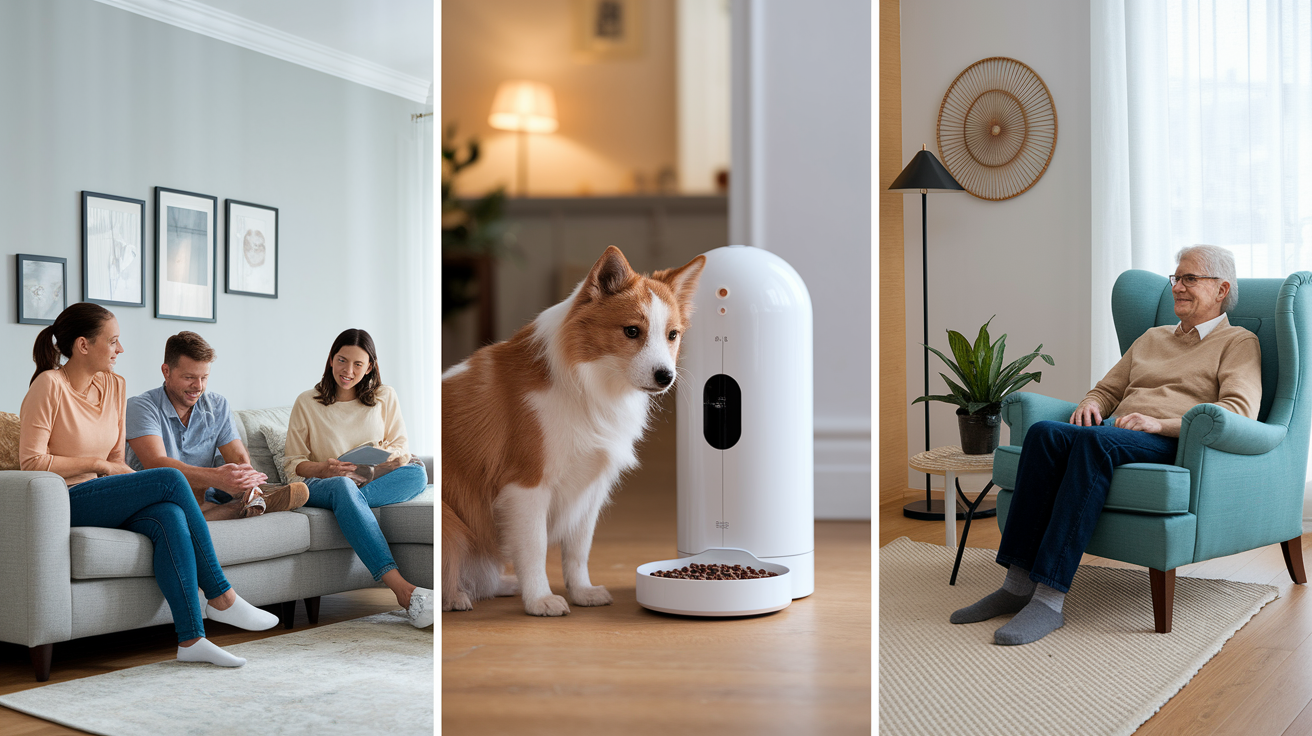
Families with kids use smart systems to wrangle chaotic schedules and keep everyone safe when parents aren’t around. Smart speakers run morning routines by announcing the time, reading out appointments, and playing music that signals it’s time to brush teeth or grab backpacks. Video doorbells and indoor cameras let working parents confirm kids got home from school and check in during the afternoon without constant calls. Smart locks send a notification the moment a door opens, and temporary codes let neighbors or sitters in without swapping physical keys.
Pet owners lean on connected devices to monitor and care for animals when they’re away. Smart feeders dish out meals on exact schedules, no overfeeding or missed dinners during long shifts. Indoor cameras with two way audio let you check on anxious pets, talk to them, and even toss treats remotely. Temp sensors make sure climate control doesn’t fail in extreme weather, keeping pets safe from dangerous heat or cold. Automated pet doors only unlock for microchipped animals, blocking wildlife and strays while giving your pet freedom to roam.
Multi generational households get customizable automation that adapts to different needs under one roof. Elderly residents can use voice commands and motion lights in their spaces while younger family controls entertainment and locks via apps. Shared areas like kitchens and living rooms run routines based on time or who’s present, keeping everyone comfortable without constant fiddling. Remote workers get dedicated scenes like “Focus Mode” that silences the doorbell, adjusts office lighting, and blocks non urgent notifications. Creates boundaries between work and home even when both happen in the same building.
Emerging Smart Home Trends and Future Innovations
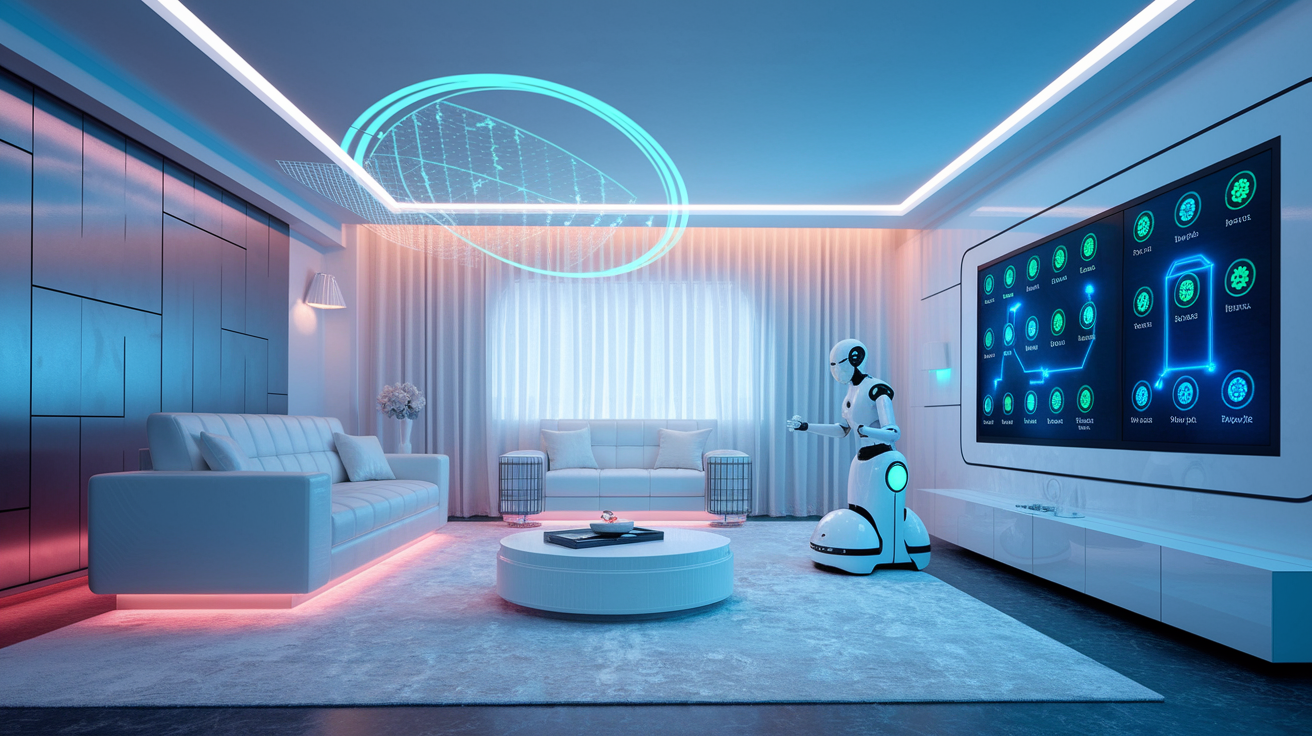
Smart homes are shifting from tools that wait for commands to environments that predict what you need before you ask. AI and machine learning study months of behavior to spot routines, adjust settings ahead of time, and suggest tweaks that boost comfort or cut costs. Your home might preheat the shower, start coffee, and gradually brighten bedroom lights five minutes before your alarm because it knows your wake time. These systems learn exceptions too. They’ll skip the usual routine on weekends or holidays without you telling them to.
Major tech reshaping smart homes over the next five years:
- AI driven automation that adjusts climate, lighting, and appliances based on learned behavior and real time context like weather, calendar events, and who’s home
- Better compatibility standards so devices from different brands actually talk to each other without proprietary hubs or headaches
- Robots that handle laundry folding, grocery organizing, and elder care tasks beyond just vacuuming
- Home energy grids connecting solar, battery storage, and smart appliances to cut reliance on the power company
- Health sensors built into mirrors, mattresses, and bathrooms that track vitals and flag early warning signs
- Ambient computing that ditches screens and voice commands by reading gestures, proximity, and environmental cues
These changes will make tech invisible instead of something you actively manage. Homes will stop being spaces you control and become environments that adapt in real time, figuring out what you need before you say it. Better compatibility means fewer headaches, lower costs, and faster adoption across all income levels. As AI, robotics, and sensors mature, smart homes will go from luxury features for tech nerds to standard infrastructure that improves safety, health, and quality of life for everyone. Just like indoor plumbing and electricity did before.
Real World Use Case Scenarios
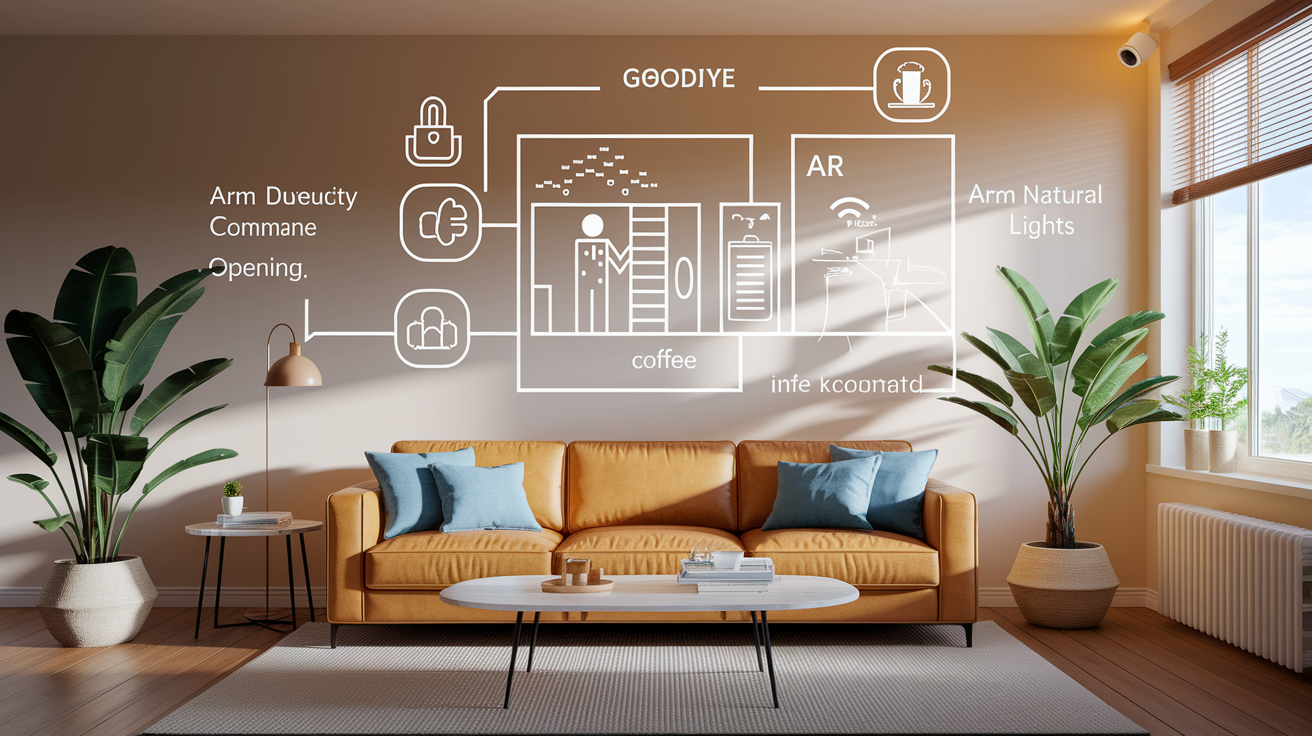
A typical morning automation starts when your smart alarm senses you’re in light sleep and wakes you gently with gradual light and sound. The thermostat’s already warmed the bathroom and kitchen to your preferred temp, and coffee starts brewing as your feet hit the floor. Motorized blinds open to let natural light in, and a weather summary plays through your bedroom speaker while you get dressed. When you leave for work, one “Goodbye” voice command locks all doors, arms cameras, drops the thermostat to save energy, and kills every light in the house. The whole thing takes seconds. No mental checklist, no last minute panic about whether you locked the back door.
Travel mode turns an empty house into an active defense against break ins and damage. Activate it from your phone and exterior cameras switch to high sensitivity motion detection with instant alerts for any movement. Smart lights turn on and off randomly in different rooms to fake occupancy, and window sensors notify you if anything opens. A smart water valve shuts off the main line to prevent catastrophic leaks, and temp monitors keep HVAC running so pipes don’t freeze in winter or mold doesn’t grow in summer. If a smoke alarm goes off, the system alerts your phone, unlocks the front door for firefighters, and pings a neighbor with an emergency key.
An energy efficient evening mode kicks in when the last person gets home and geofencing picks up their location. The thermostat shifts from daytime economy mode to a comfortable evening temp, and pathway lights guide you from the driveway to the front door. Inside, motion sensors only light up rooms you’re using. Empty spaces stay dark to save electricity. Appliances like the dishwasher and washing machine wait until late night when rates drop, then run automatically without anyone needing to remember. A bedtime routine dims lights gradually over thirty minutes, lowers bedroom temp slightly for better sleep, and locks all doors while setting the security system. All from a single bedside button press or scheduled time.
Final Words
You tap your speaker and the lights, thermostat, and coffee all follow—small tasks handled without thinking.
This post showed practical smart home benefits: everyday comfort, energy savings, stronger security, accessibility support, and real use cases. We also looked at trends that improve integration and automation.
Remember: how smart home technology will change lives is not just about gadgets. It’s about saving time, cutting costs, and feeling safer at home. Worth exploring.
FAQ
Q: How do smart homes improve daily life?
A: Smart homes improve daily life by automating lighting, climate, security, and chores, saving time and reducing manual tasks through voice control, schedules, and interconnected routines that streamline daily habits.
Q: How do smart home systems work and connect?
A: Smart home systems connect devices via Wi‑Fi, Bluetooth, Zigbee, or a hub; the hub or cloud runs automations, links apps and voice assistants, and lets you control devices remotely or hands-free.
Q: How much energy and money can smart home tech save?
A: Smart home tech can reduce energy use by scheduling and optimization; smart thermostats may cut heating and cooling about 15%, while lighting and appliance scheduling add savings based on habits and home size.
Q: Can smart home devices improve safety and security?
A: Smart home devices improve safety and security by offering intrusion detection, real-time camera alerts, remote lock control, and emergency notifications, helping you monitor and respond faster when something goes wrong.
Q: How can smart homes support older adults or people with disabilities?
A: Smart homes support independence by using voice controls, automated doors, fall-detection sensors, adaptive lighting, and medication reminders to reduce physical strain and help people stay safer at home.
Q: Which smart devices should I buy first for the biggest benefits?
A: Start with a smart thermostat, smart lighting, a smart speaker or hub, a smart lock, and a security camera—these provide comfort, energy savings, hands-free control, and core security quickly.
Q: Do smart homes need constant internet to work?
A: Smart homes often need internet for remote access, cloud services, and voice assistants; basic local automations can still run without internet if you use a local hub and compatible devices.
Q: Are smart home devices private and how can I protect my data?
A: Smart home devices can collect data, so protect privacy by using strong Wi‑Fi passwords, two-factor authentication, regular firmware updates, reputable brands, and reviewing app permissions and data policies.
Q: Will smart home systems work with my existing devices and brands?
A: Smart home systems can work with many existing devices if they use common standards like Wi‑Fi, Bluetooth, Zigbee, or Matter; check compatibility and hub requirements before buying.
Q: How should I maintain a smart home for reliability and safety?
A: Maintain a smart home by updating device firmware, checking automations after changes, securing your router, rotating passwords, and reviewing device activity logs regularly for unexpected behavior.