


Think minimum coverage will save you money and worry?
Starter auto insurance usually covers only liability, the costs if you hurt someone or damage their property, and just meets your state’s legal floor.
It often leaves out repairs to your own car, theft, rental reimbursement, and other add-ons that matter after a crash.
This post walks through what starter policies actually include, common gaps to watch for, and simple questions to ask so you can decide whether to stick with the minimum or add protection.
Core Coverage Elements Typically Included in Starter Auto Insurance
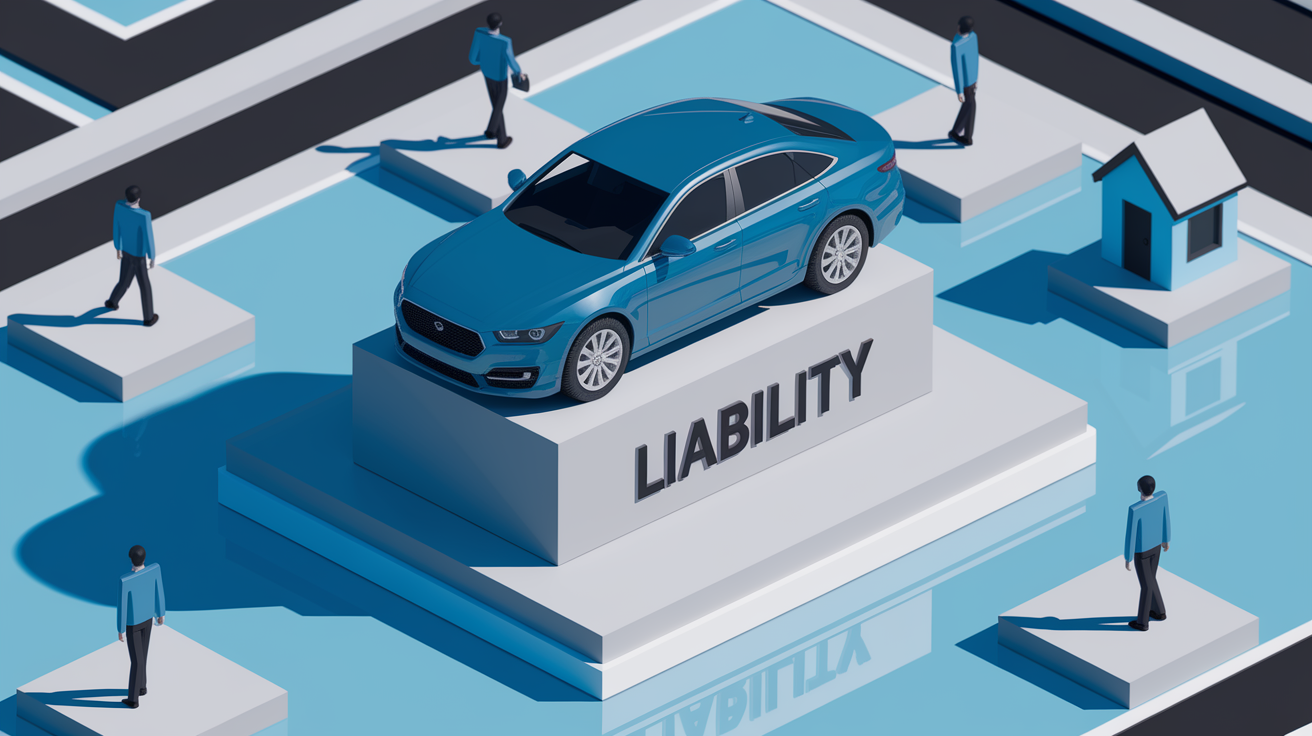
Starter auto insurance is built around liability coverage. That’s what pays for injuries and property damage you cause to someone else in an accident. Nearly every U.S. state requires at least this much before you can legally drive. New Hampshire and Virginia let drivers skip insurance under certain conditions, but they’re the exception.
Liability protects other people, not your own car or medical bills. It’s the foundation of any policy.
Your state sets the minimum amounts you must carry. And the policy follows the vehicle, not the driver. So if someone borrows your car and crashes, your insurance responds first. Starter policies meet these legal floors but typically exclude a lot of extras: collision repair for your own vehicle, comprehensive coverage for theft or weather damage, rental reimbursement while your car’s in the shop, GAP coverage for financed vehicles, new car replacement endorsements.
When you buy a starter or minimum policy, you’re choosing the lowest cost option that satisfies the law. Here’s what you typically get:
- Liability bodily injury coverage for others’ medical costs and legal fees
- Liability property damage for repairs to another person’s vehicle or property
- State required medical payments or PIP where applicable
- State mandated uninsured or underinsured motorist coverage where required
- Policy follows the vehicle, covering permitted drivers
Starter coverage keeps your premium low. But it leaves you responsible for your own repair bills and medical expenses if you cause an accident or your car gets damaged by something other than a collision with another driver.
Detailed Mechanics of Liability Coverage in Starter Auto Insurance

Liability coverage has two parts.
Bodily injury liability pays for medical bills, rehabilitation, lost wages, pain and suffering, and legal defense if you’re sued after injuring someone. Property damage liability pays to repair or replace another person’s vehicle, fence, building, or other property you damage in an accident. Both coverages also pay attorney fees and court costs if the injured party takes you to court.
Most states require liability limits in a split limit format, expressed as three numbers like 100/300/50. The first number is the maximum the insurer will pay for one person’s bodily injury in a single accident ($100,000 in this example). The second is the total bodily injury cap for all people injured in one accident ($300,000). The third is the property damage limit per accident ($50,000).
If injuries or damage exceed those amounts, you pay the difference out of pocket.
State minimum limits are often much lower than 100/300/50. Relying on the bare minimum can leave you underinsured during serious or multi vehicle crashes. A single hospital stay can cost far more than a $25,000 bodily injury limit. Totaling two new vehicles in one accident can easily blow past a $10,000 property damage cap.
Starter policies meet the legal requirement but rarely offer enough protection to shield your assets if someone’s medical bills or repair costs exceed your policy limits.
Final Words
Starter policies focus on liability — they pay for other people’s injuries and property damage if you cause a crash. That’s the core takeaway.
The article also explains state minimums, how liability breaks into bodily injury, property damage, and legal defense, and how split limits can leave drivers underinsured in big claims.
Collision, comprehensive, rental, GAP, and new‑car replacement are usually excluded, and coverage follows the vehicle. Knowing what is included in starter auto insurance helps you pick the right extra protection.
FAQ
Q: What does a basic car insurance policy include?
A: A basic car insurance policy includes liability coverage that pays for others’ medical bills and property damage if you cause a crash, plus any state-required PIP or uninsured motorist coverages.
Q: Is it better to have a $500 deductible or $1000?
A: Choosing a $500 deductible or $1000 deductible depends on your budget and risk tolerance: $1000 lowers your monthly premium but raises out-of-pocket costs after a claim; $500 does the opposite.
Q: Is $3,000 a year for car insurance normal?
A: Paying $3,000 a year for car insurance can be normal depending on factors like age, location, vehicle value, coverage limits, and driving record; check quotes to confirm whether you can save.
Q: Do I really need comprehensive and collision?
A: You need comprehensive and collision if you want your own vehicle covered for theft, weather, or accident damage; lenders usually require them until your loan is paid off, otherwise they’re optional.